
The bicycle industry is currently experiencing an unprecedented level of outsider disruption. And when I say “disruption”, I don’t mean like how the word has been bandied about in the past like when outfits like Canyon, Rose, YT, and others threatened the traditional retail business model with their consumer-direct pricing. Those brands have indeed shaken things up, but not to the extent that some had expected.
Rather, I’m talking about true outsiders that not only aren’t confined within the bounds of how things have always been done within this peculiar little industry, but yet also have the resources to truly upend the apple cart.
As I wrote about a few weeks ago, on the one hand we’ve got Chinese manufacturer XDS, who recently began offering a healthy range of complete bikes under its new X-Lab brand name. X-Lab is only offering drop-bar bikes at the moment (along with a handful of e-bikes), but mountain bikes are surely on the way, and all of its bikes are sold at prices that are nothing short of outrageously low (roughly 60% of mainstream brands), despite being sold through physical dealer networks.
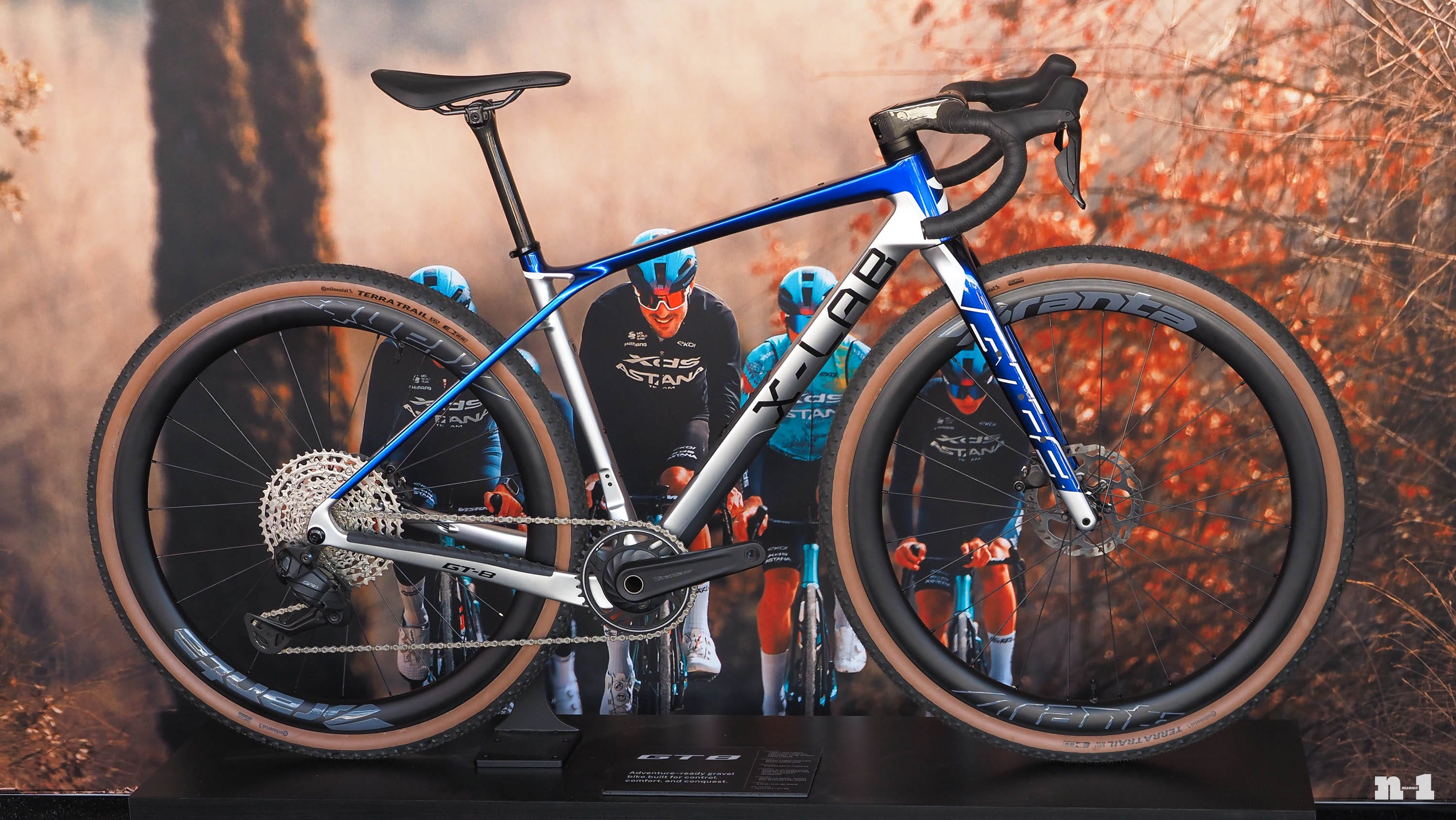
According to X-Lab, those prices are only possible due to its its highly vertically integrated operation. Whereas the vast majority of bike brands rely on third-party manufacturers to produce their goods, X-Lab handles almost the entire process in-house, from raw fiber all the way to fully assembled bikes in boxes in the case of carbon models.
And then over in the eMTB world, we’ve got Avinox, who’s completely scrambled the eMTB market with its ultra-powerful motors, advanced electronics packages, and breakneck development pace, all of which has been fueled by the engineering and financial muscle of Chinese drone behemoth DJI. Avinox has barely been on the market for two years, but its impact on the industry has already been profound. Fazua recently closed its doors completely, Specialized dramatically reduced prices on its popular Levo range, and more heads are likely to tumble in the months ahead.
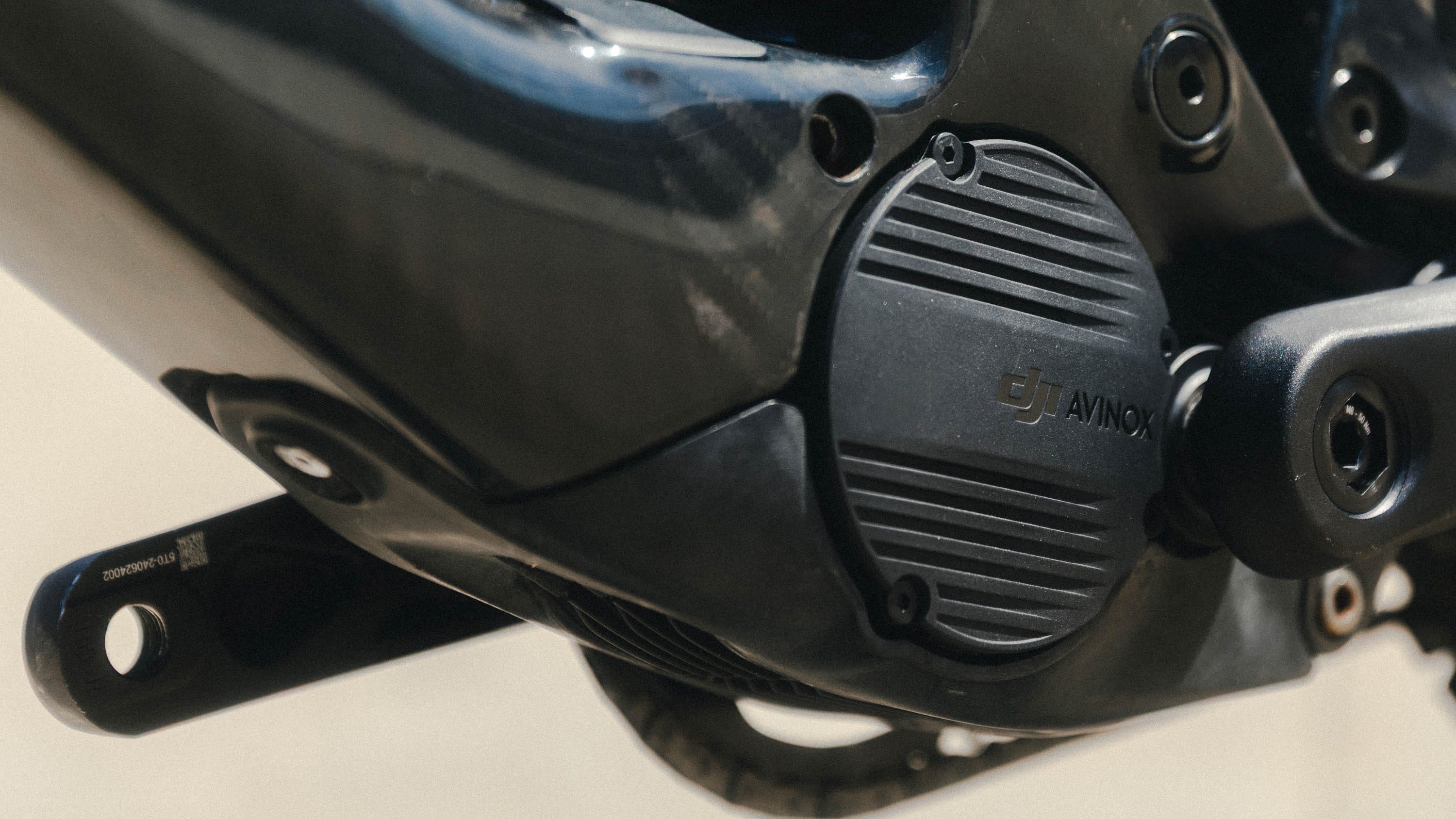
Now consider this: What if you had a company that was not only almost double the size of DJI and nearly as vertically integrated as XDS, but also had a compelling marketing story to tell? For as much as X-Lab and Avinox are already shaking things up, doesn’t it seem like a brand like that might have the potential to really scramble some eggs?
Mind you, this isn’t a hypothetical situation or an imaginary business entity. In fact, this company already exists, and I’d argue it’s a veritable sleeping giant that’s knocking on the door of the industry establishment.
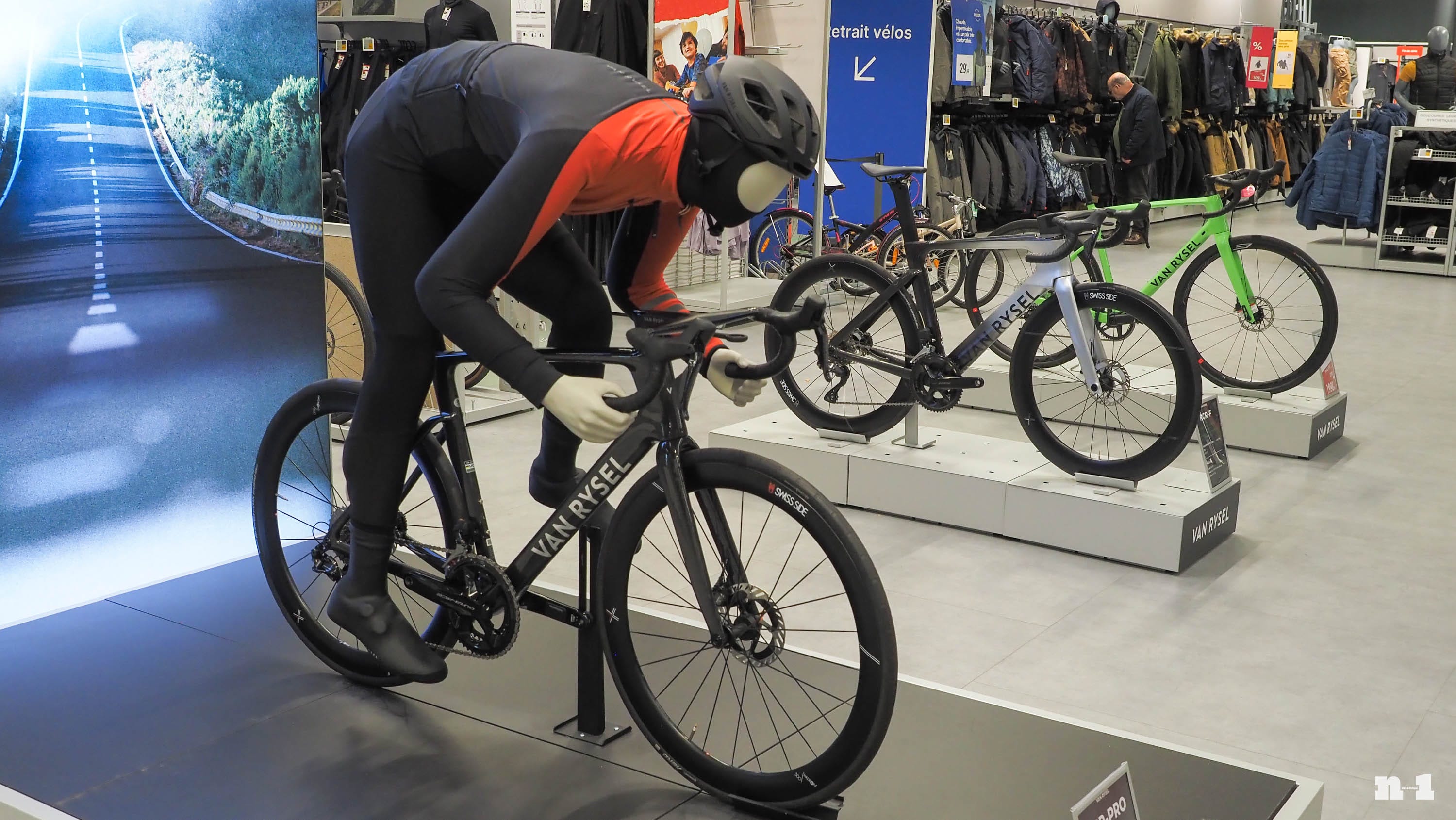
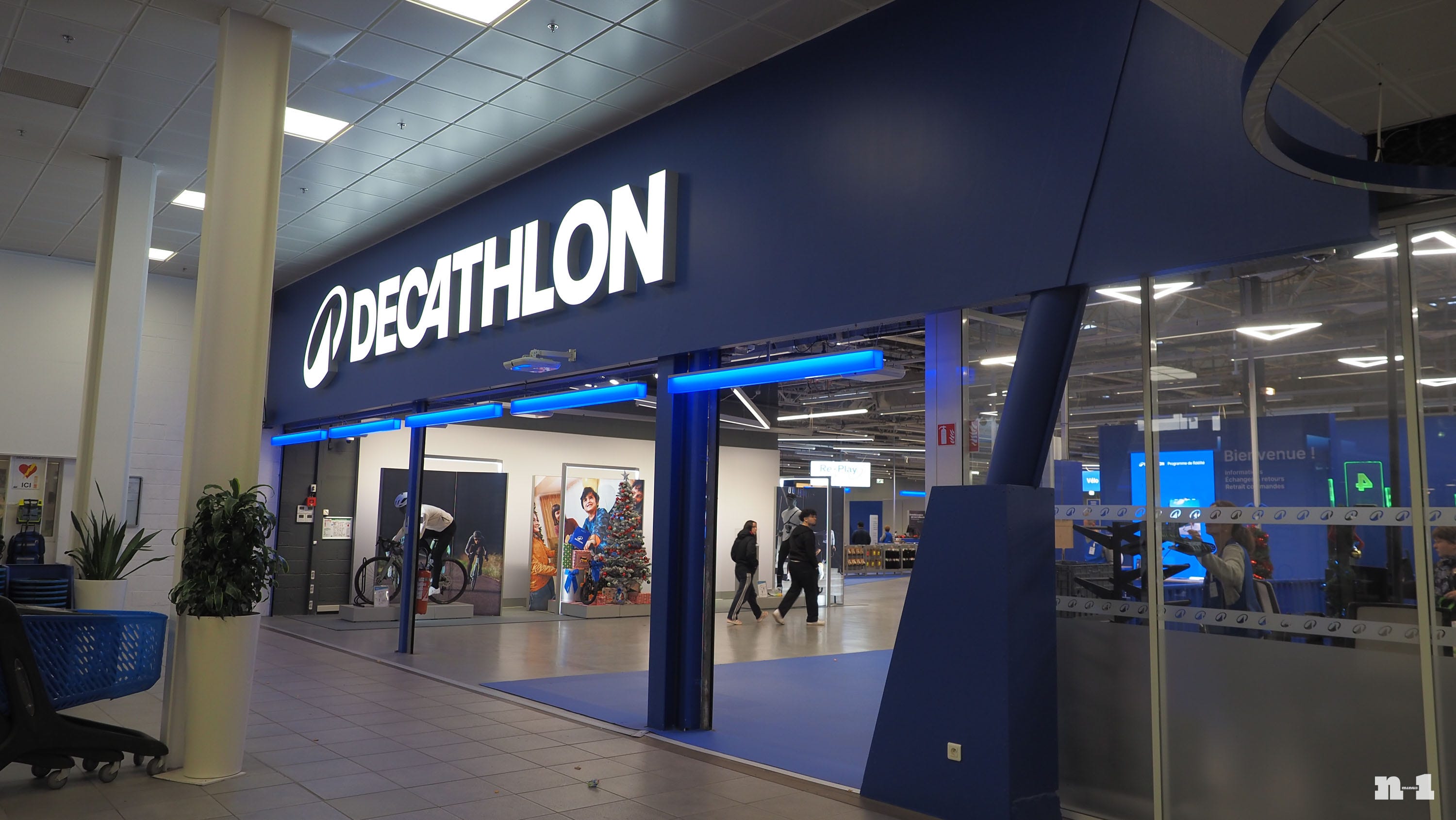
It’s French outdoor mega-retailer Decathlon, in particular its new(ish) dedicated premium cycling brand, Van Rysel. If you haven’t been paying attention to what’s been going on there, it’s perhaps time you did.
A sense of perspective
Before I get into the details of his discussion, I think it’s first important to lay out just how big an entity Decathlon is, particularly if you’re located in the United States (one of the last major markets the company hasn’t yet conquered).
Decathlon was founded just over 50 years ago (its anniversary was just last week, in fact) with the idea of offering good-quality sporting goods at accessible prices so that more folks can enjoy the activities they’re interested in without breaking the bank. Basically, Decathlon’s overall goal is for all of its gear to be super affordable, but never the absolute cheapest option. Think fifty-dollar hiking boots that don’t suck.
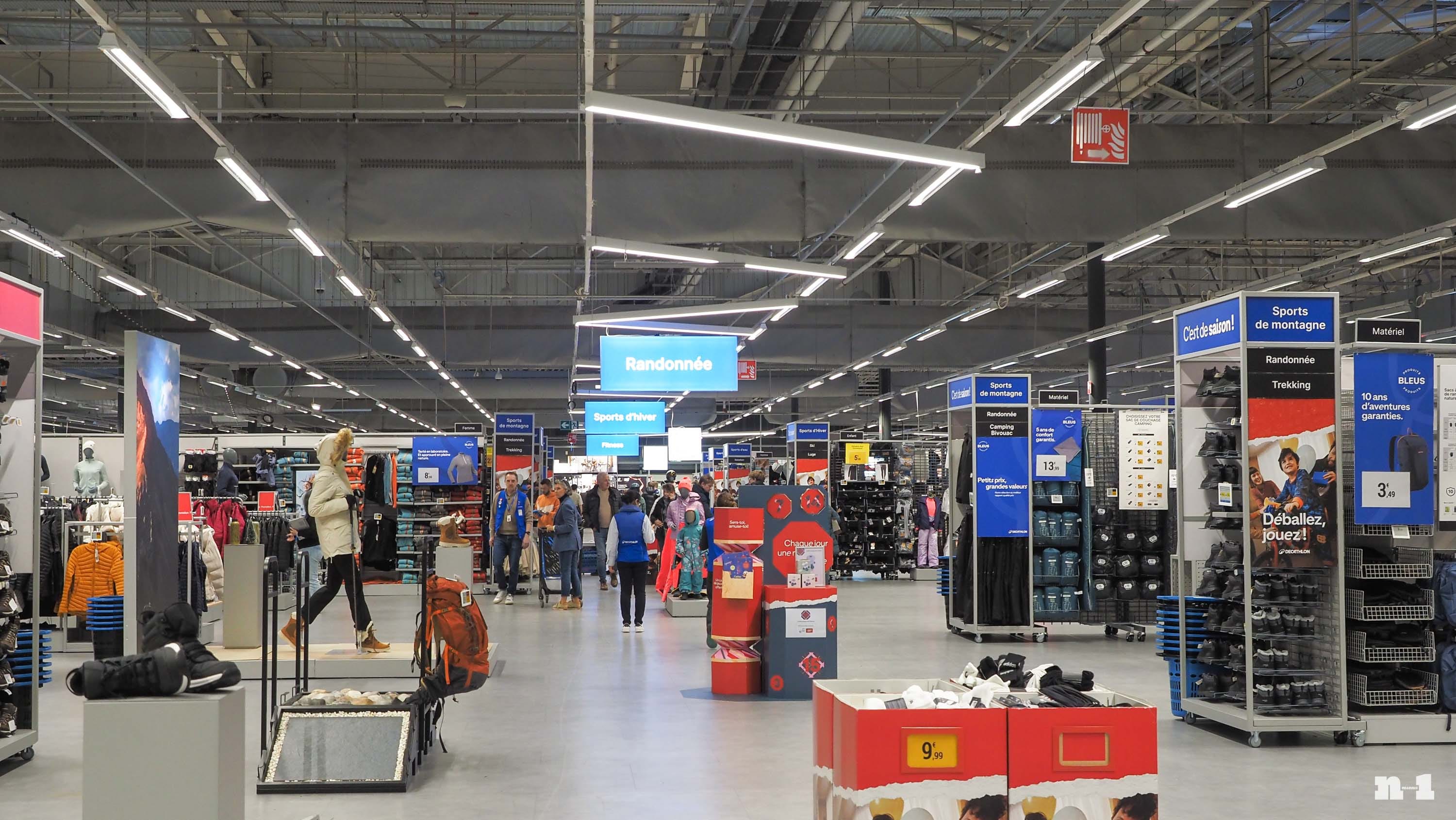
That approach may seem particularly apt in today’s K-shaped economy with most people’s household budgets being increasingly squeezed, but it’s clearly been an effective long-term strategy. Needless to say, the idea of paying less, but getting more – especially now – is pretty darn popular.
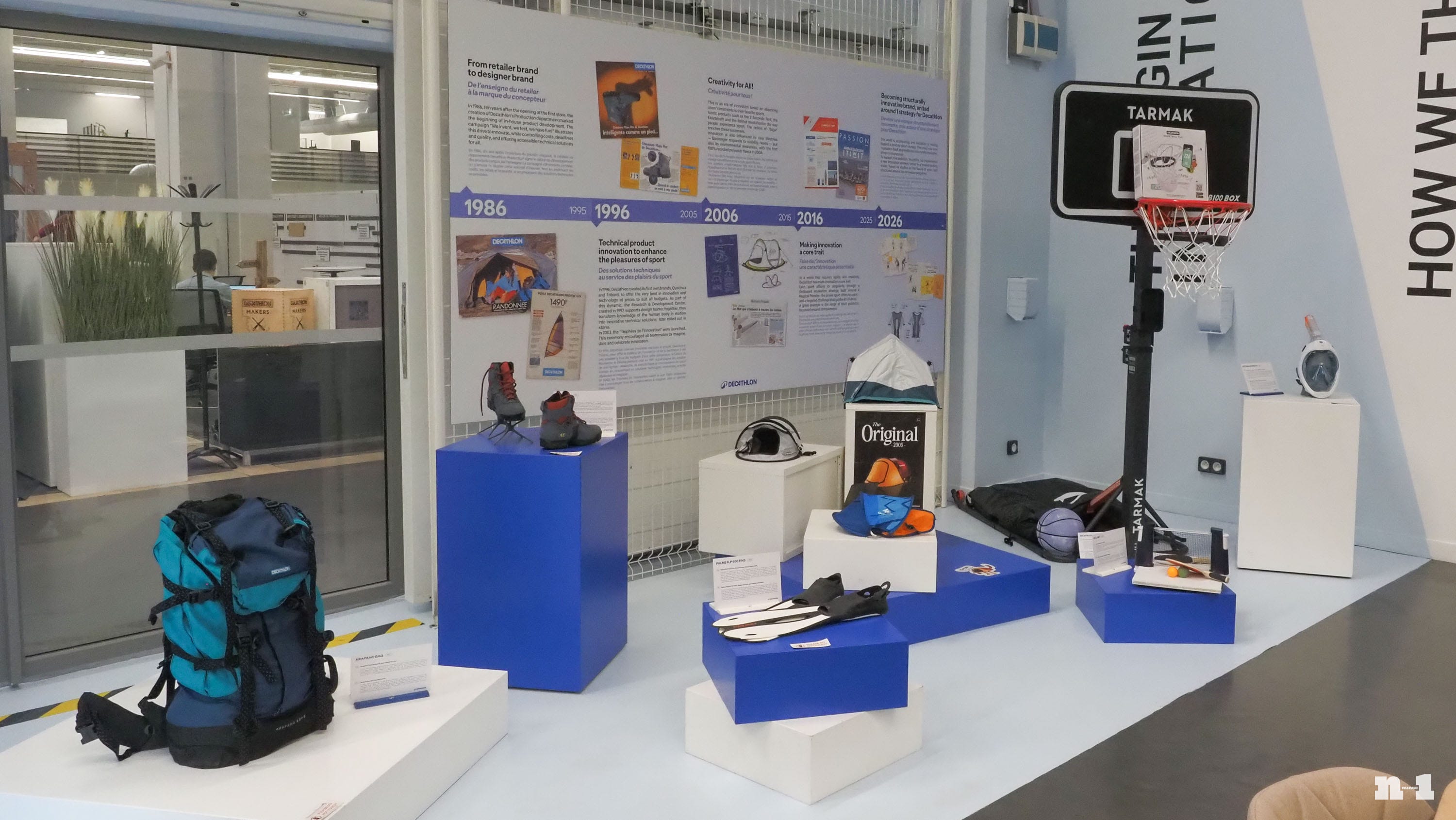
There are now more than 1,900 company-owned Decathlon locations in about 80 different countries, and it caters to virtually every possible sporting category (circus arts?!) with more than a dozen in-house brands. Perhaps more impressively, the company employs more than 100,000 people, including a small army of over 1,700 people just in R&D alone spread across 18 massive “design centers” scattered worldwide.
If those numbers sound big, that’s because they are.
Giant’s total annual revenue is estimated to be somewhere in the neighborhood of US$2.5b or so, and Trek isn’t far behind at around US$2b even. Specialized is said to be somewhere around half that, but still a huge player with annual sales of approximately US$1b.
But Decathlon? The company’s total reported revenue in 2025 was nearly €21b (about US$24b based on current exchange rates). That’s two dozen times the size of Specialized, and an order of magnitude larger than Trek or Giant. Granted, that’s a drop in the bucket as compared to someone like Walmart (whose total annual revenue is more than US$700b), but it dwarfs anyone else in the bicycle industry. If you want to cast your net a little wider and include cycling-adjacent companies, Decathlon’s revenue eclipses the most generous estimates of DJI’s total annual revenue by about double.
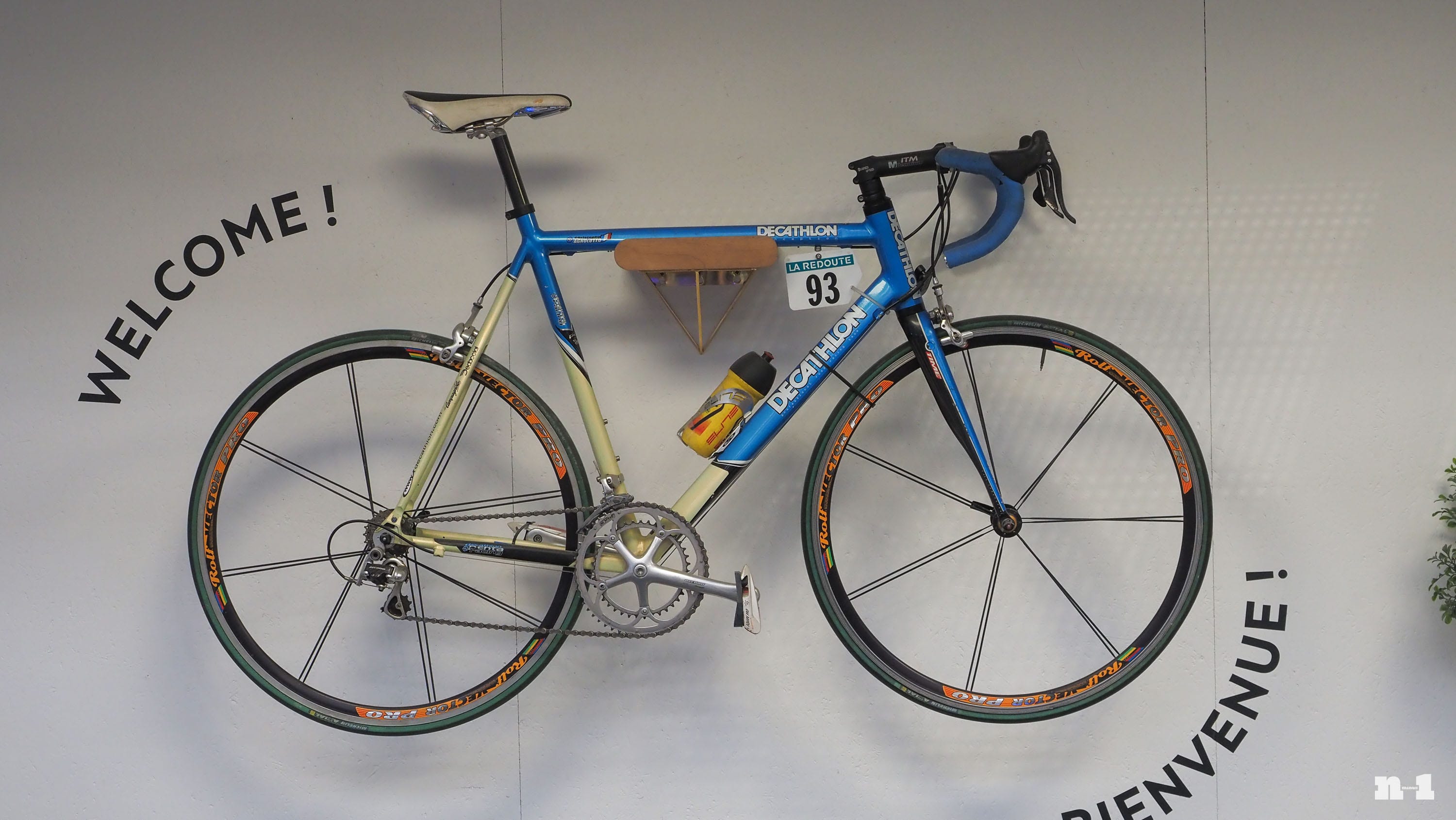
“Decathlon is bloody massive; it’s like a national institution,” my friend and former colleague, Dave Everett told me from his home base in southwest France (by the way, “Shoddy” Dave now runs his own independent cycling channel on YouTube that you should most definitely check out). “Everybody buys their stuff because it’s good quality, it lasts, and it’s a good price point. You go there on a Saturday and it’s slammed. And 99% of stuff in the shop is their own brand. It’s just huge. No one here doesn’t own something from Decathlon. There’s no shame in it whatsoever.
“Eight out of ten cargo bikes you see here are Decathlon, and most helmets people wear bashing around town are Decathlon,” he continued. “I’m looking at a woman now while I’m out and about who has Decathlon panniers on her bike. Like if you need a hunting jacket for your seven-year-old kid or basketball shoes, they sell everything. There’s a lad in the bakery who’s just finishing work who’s got a Decathlon t-shirt on. And if you go to a campsite, it’s everywhere. You don’t go anywhere else for camp stuff than Decathlon. It’s everywhere. You can’t not see it out and about. It’s huge.”
Chickens and eggs
That sort of size brings with it the usual economies of scale you’d expect: more attractive pricing for raw materials, lower per-piece manufacturing costs, better deals on shipping, tax breaks from local governments, and so on. However, it’s important to remember that while Decathlon gets to take advantage of those things now, it didn’t when it first started. In other words, those lower retail prices didn’t come about because of Decathlon’s success, but rather Decathlon has been successful because it was able to offer those lower prices in the first place.
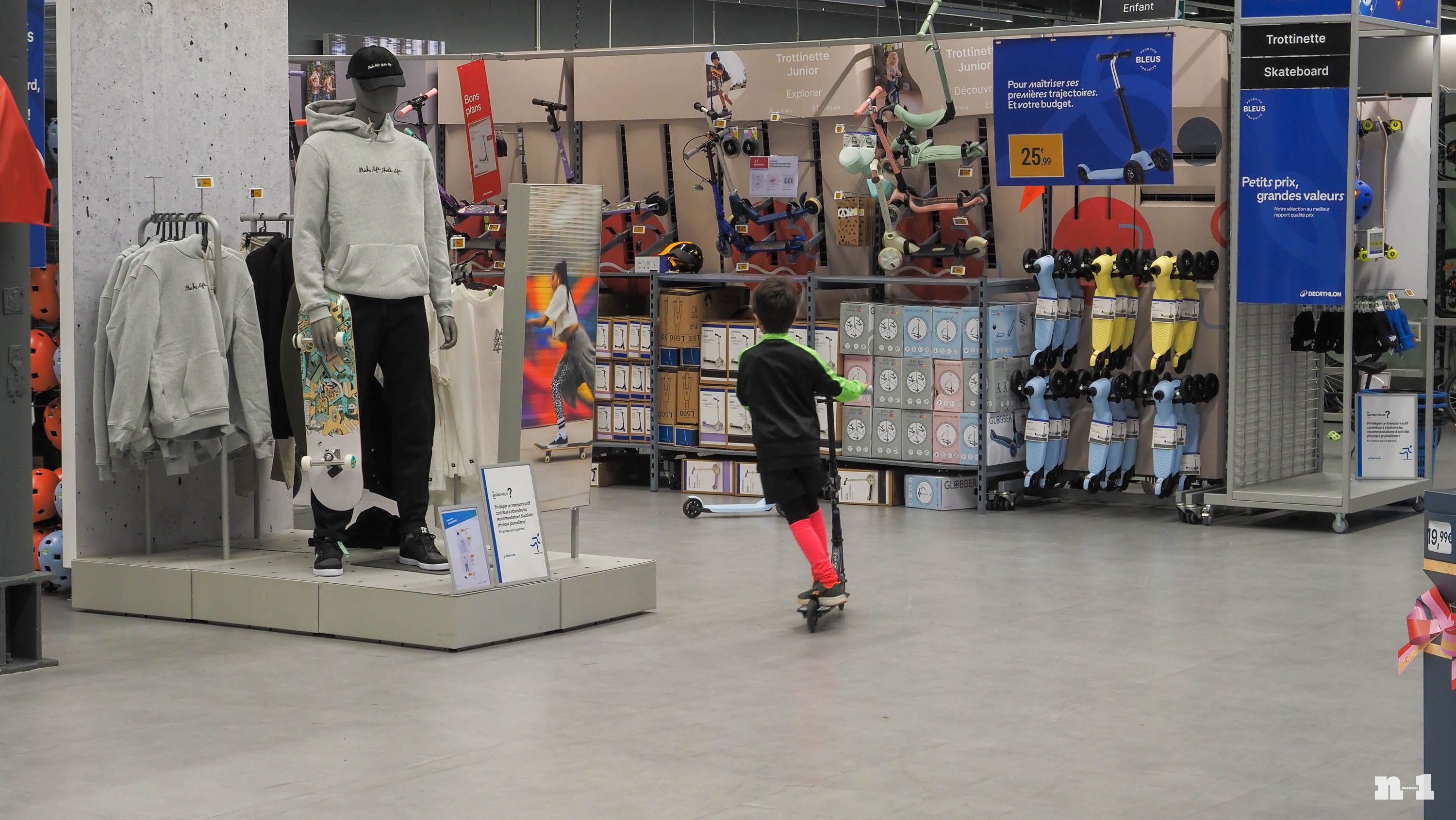
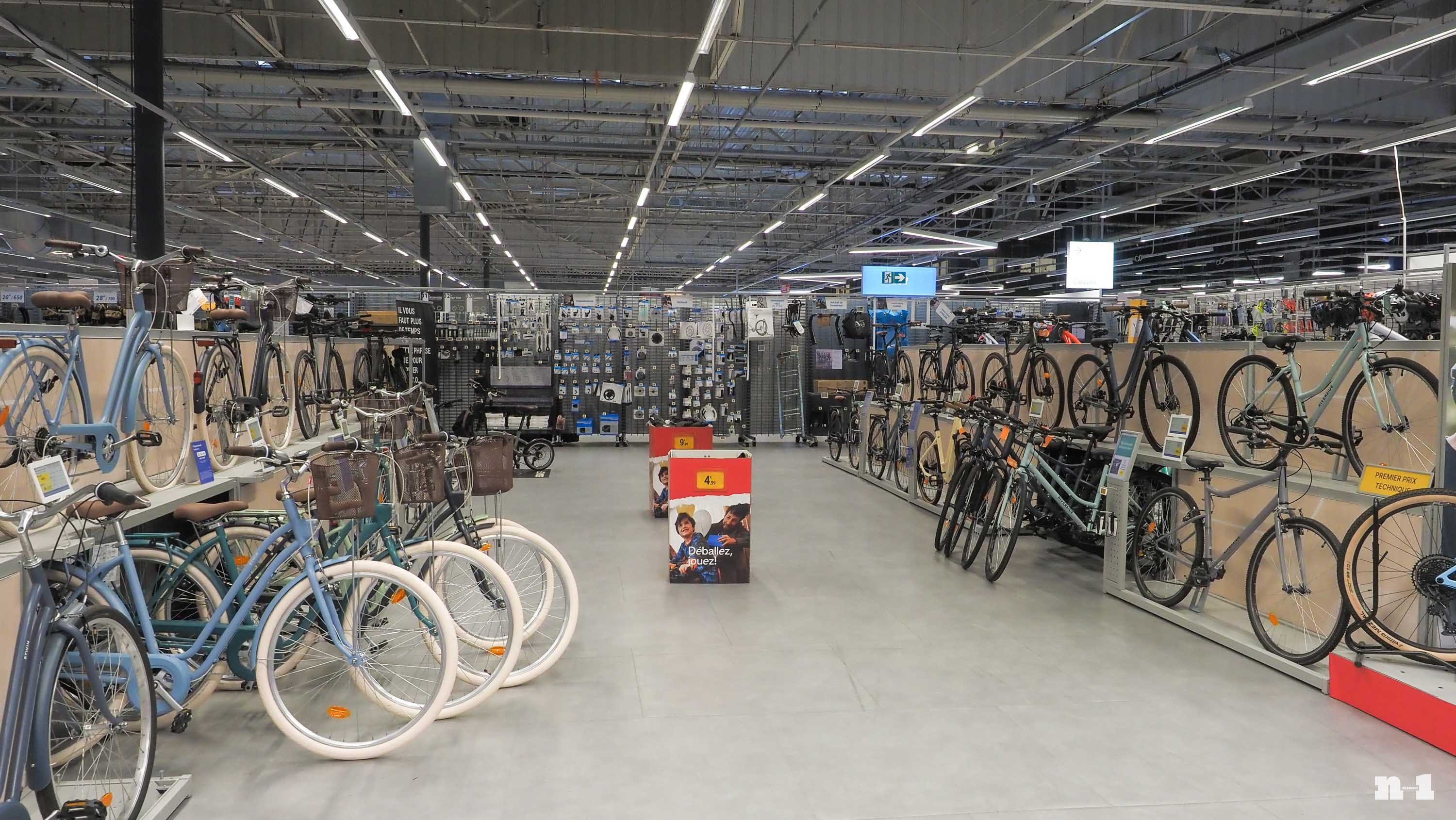
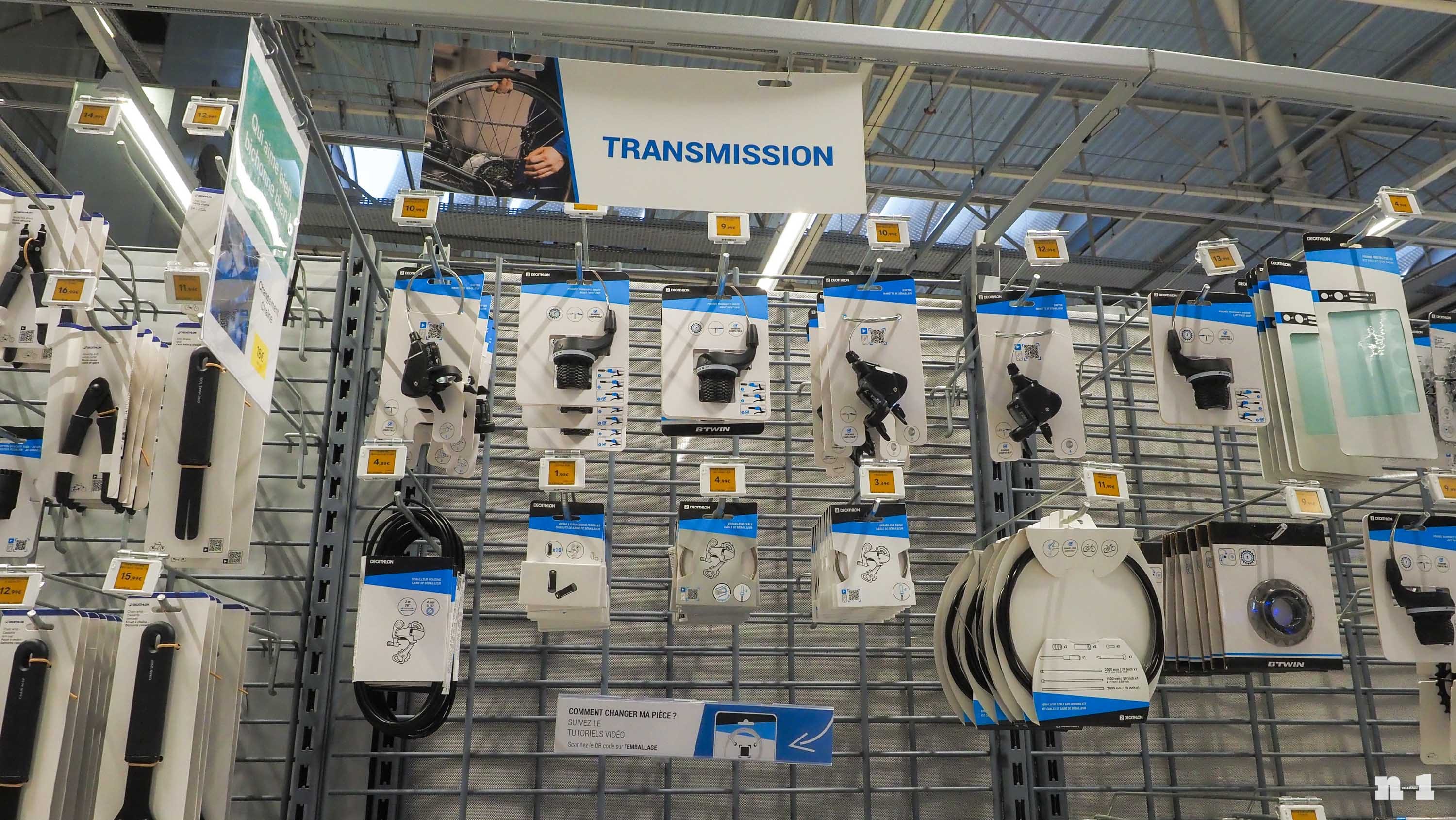
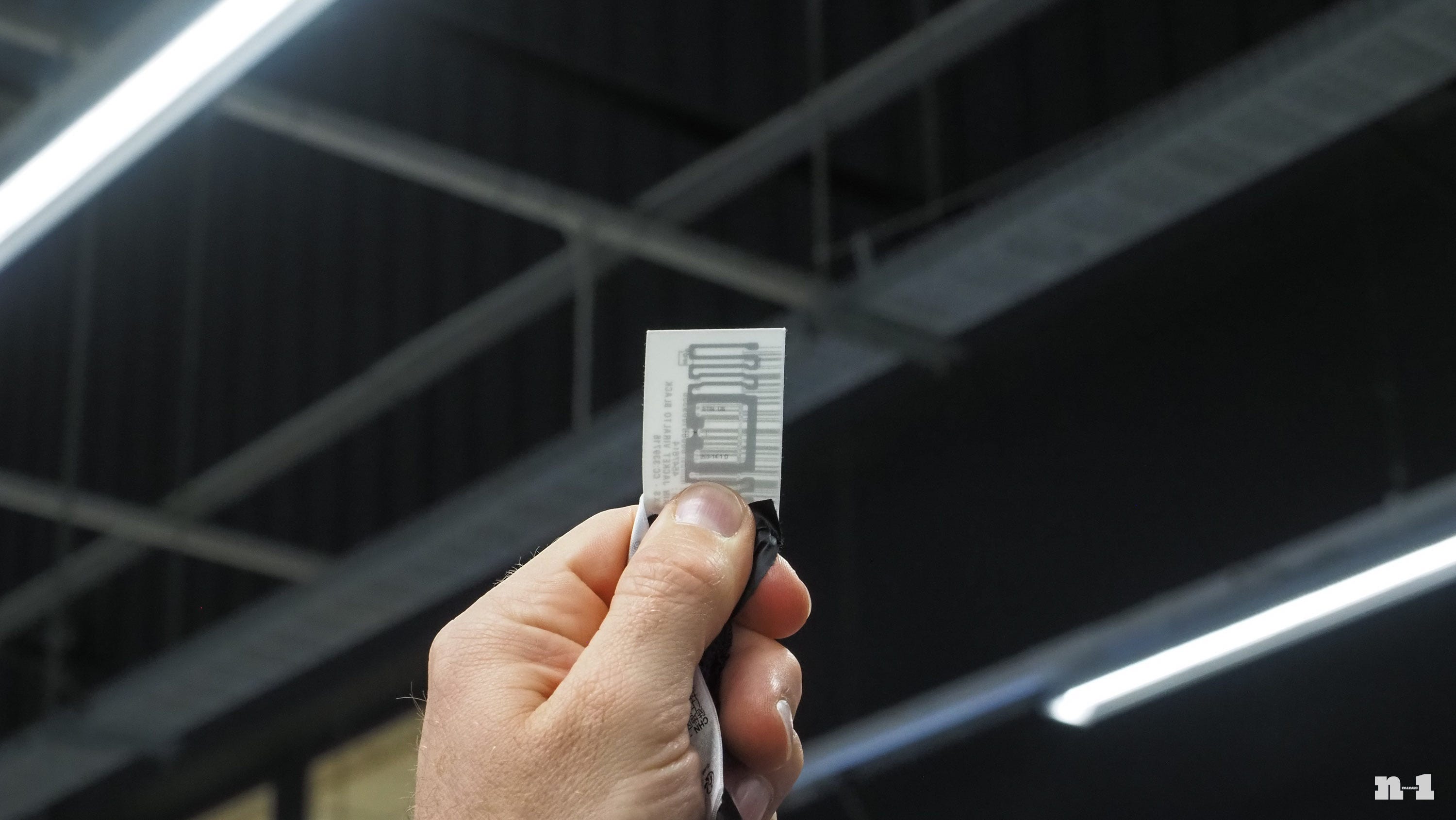
Indeed, obsessively trimming unnecessary costs has long been part of the Decathlon formula. Retail locations are notably devoid of needlessly ornate (read: expensive) displays, product packaging is so minimal that shoes don’t even come in boxes, there sometimes may not be as many color choices as you might expect, and there’s a noticeable dearth of products from name brands that offer lower margins; by and large, Decathlon stores are primarily filled with Decathlon’s own products. But whatever you do find has embedded RFID tags so that when it comes time to check out, you just place your entire basket on the counter, the system instantly reads the whole haul, pay your bill, and off you go – because shorter lines equal more customers.
But yet all of this isn’t solely about reducing expenses; there’s a larger strategy here as well.
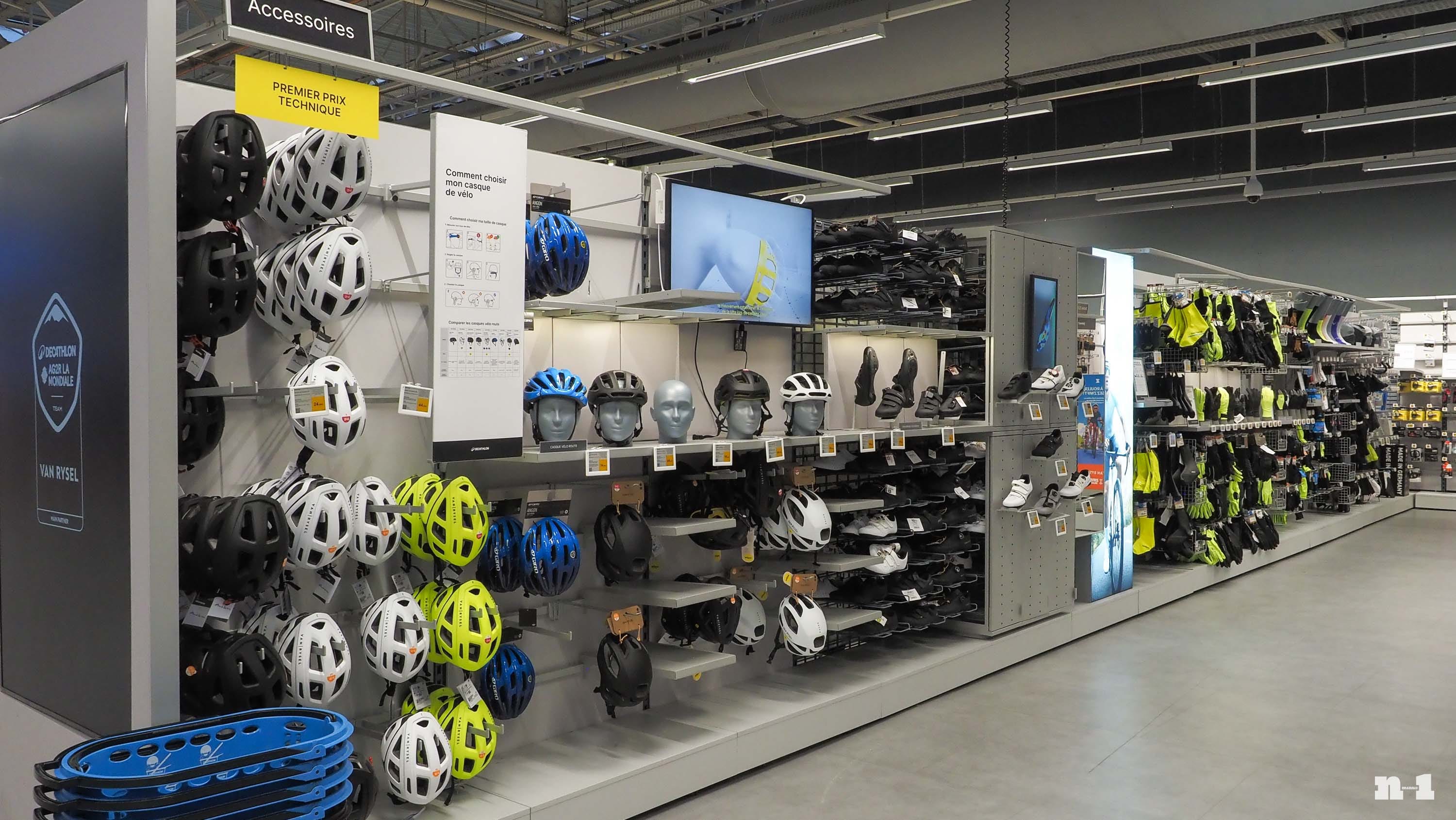
The simplified displays and minimal packaging are designed to customers to physically handle products as they consider their purchases, much like how customers in traditional retail locations will sometimes open boxes so they can see and touch the actual thing they’re interested in buying. The displays may be minimal, but the ones that are on hand tend to be more informational in nature so that customers can more easily answer their own questions (though there are also a surprising number of actual employees for added assistance when needed). And as for the minimal non-Decathlon offerings, the company says it’s learned over time that sometimes people just have preferences that are stronger than price alone, and if compromising on profit margin slightly opens up the possibility for those people to buy other things when they might not have walked into the store otherwise, that’s still a win.
Integrated enough
Notably, Decathlon does all of this without outright owning its manufacturing operations.
“We do not own the manufacturing factories directly,” explained Beverly Jacobus, general manager of Van Rysel North America. “Instead, we work with third-party manufacturing partners. In some cases, these partners dedicate up to 80% of their production to us, but we are not the owners.”
That might seem like a big hurdle given the current state of things in the cycling industry, particularly with X-Lab now in the picture. However, Decathlon is able to integrate other layers of its operations that aren’t as obvious to end consumers as manufacturing in order to reduce costs. When you consider the total size of Decathlon’s global operation, that amounts to a lot of stuff that needs to get moved around, but also a lot of opportunity to control that process.
For example, while Decathlon may not own its factories, the company supposedly does directly control (if not outright own) the majority of its distribution and logistics network, such as its global network of regional and local warehouses – all of which feature liberal use of robot automation. There’s also a major partnership in place with global shipping and logistics powerhouse Maersk, which dramatically streamlines the process of transporting finished products from various factories, including the use of dedicated intercontinental cargo trains and other modes of transportation.
Remember reading about how container costs skyrocketed for most bike brands during the Covid-fueled bike boom? Yeah, you can bet Decathlon wasn’t impacted by that as much as smaller outfits.
There are advantages baked into Decathlon’s super diverse product portfolio, too.
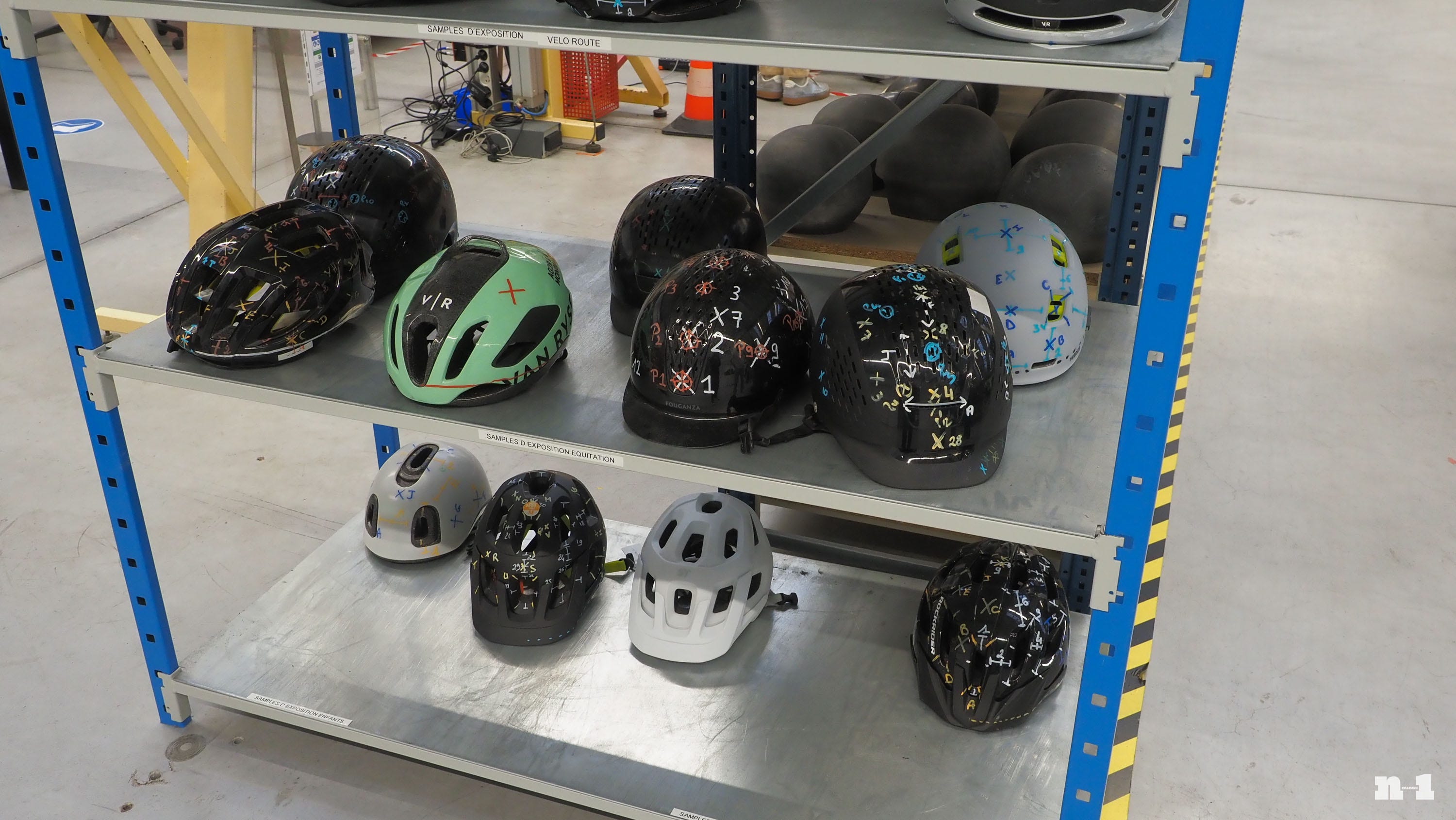
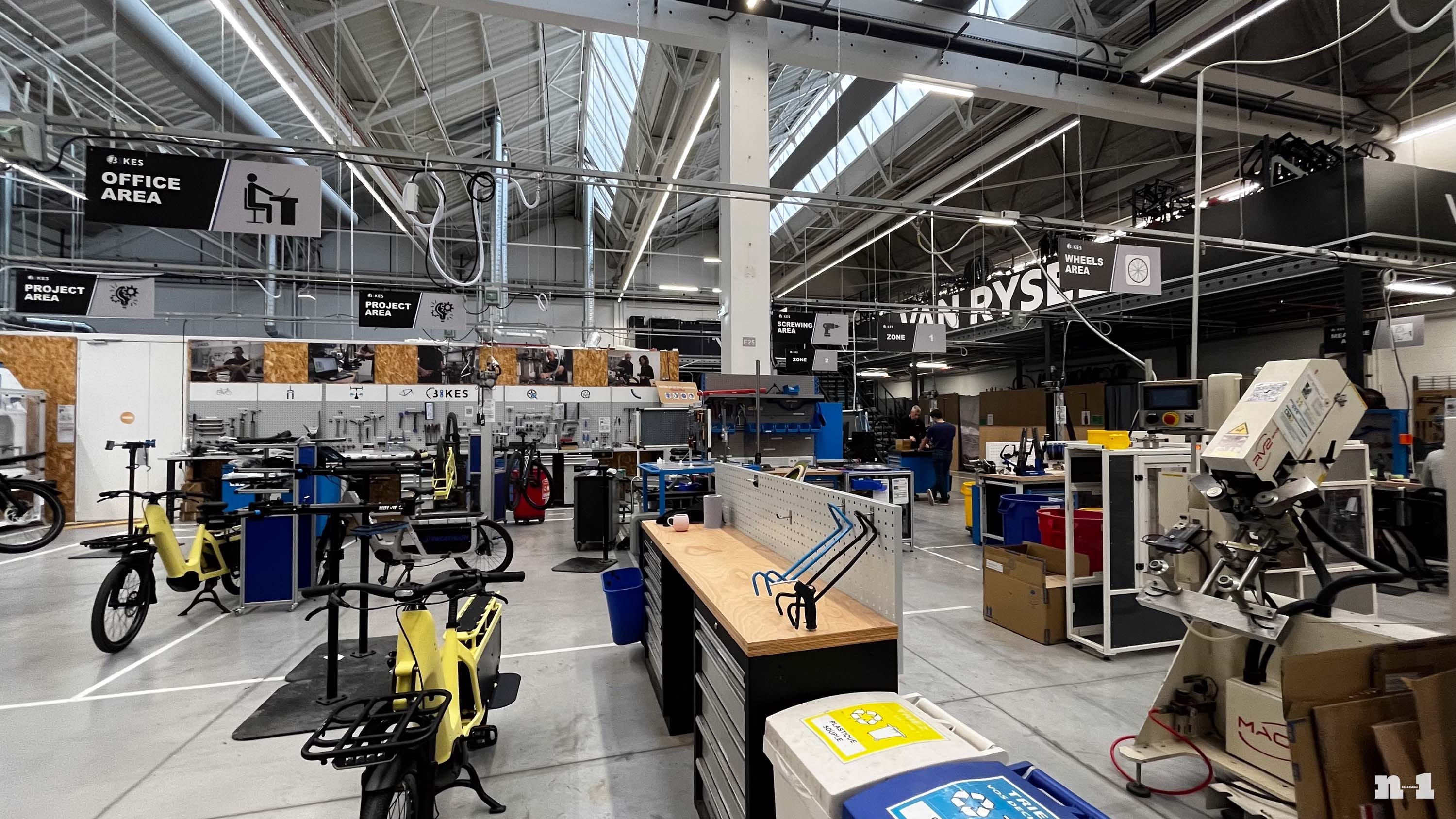
I mentioned earlier that Decathlon operates 18 design centers worldwide. On paper, that might come across as just a bunch of satellite offices with a handful of engineers here and there, but they’re more like individual headquarters for various sporting segments, with each one located in a part of the country (or world) that’s known for that center’s area of focus. That makes it easier to attract top talent that’s either already local or more willing to relocate, as well as higher quality testing opportunities straight out the back door.
The design center for Alpine brand Simond is situated in Chamonix in the French Alps, widely considered to be the mountaineering capital of the world. Nearby in Passy is another design center for things like snowsports, camping, and hiking. The watersports design center is located directly on France’s southwestern coast in Hendaye on the border with the Basque Country, a hotbed for surfing, paddleboarding, and sailing. And for road cycling, there’s the so-called Btwin Village, in the far northern city of Lille on the border with Belgium, deep in the heart of cobbles country.
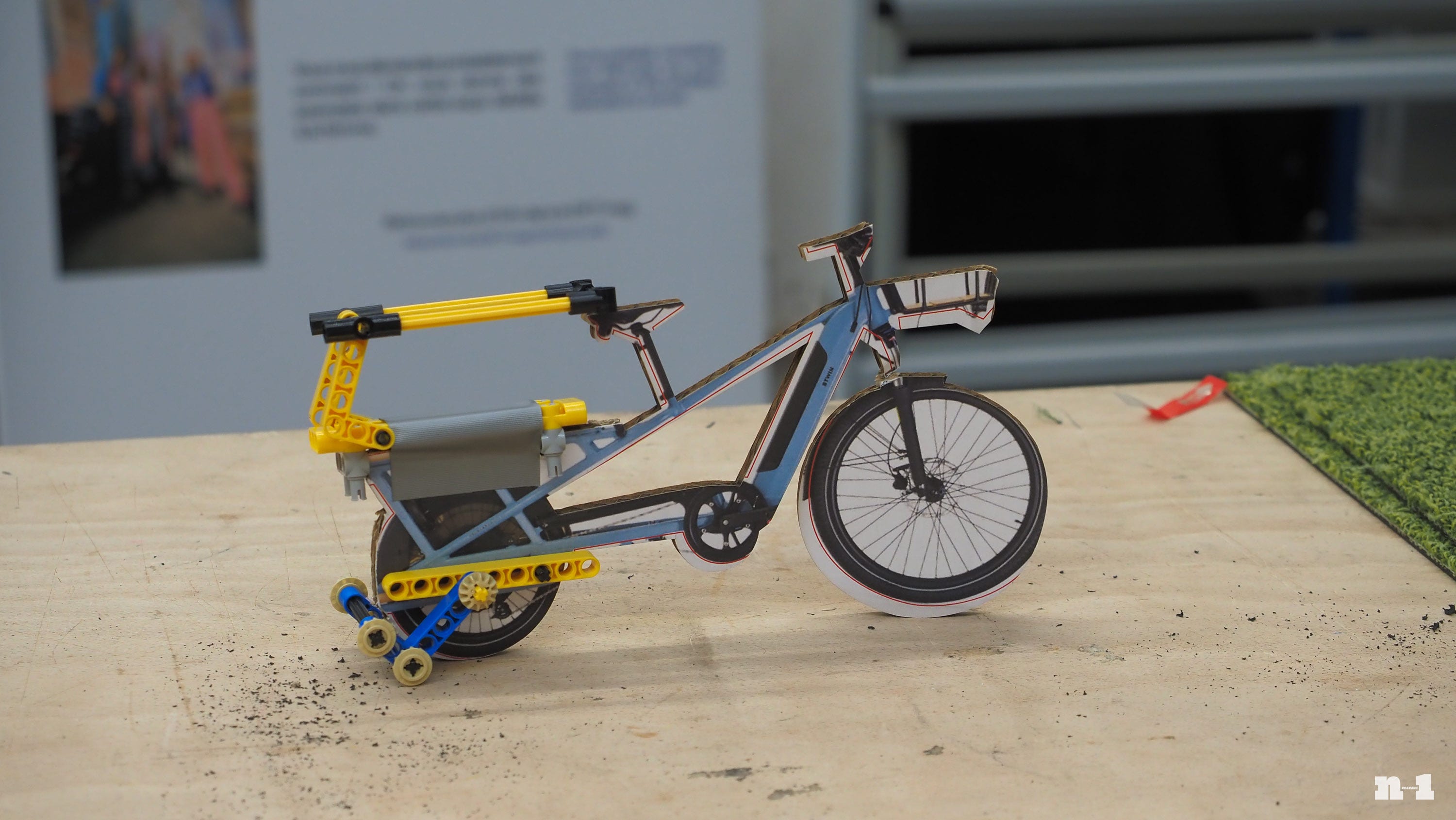
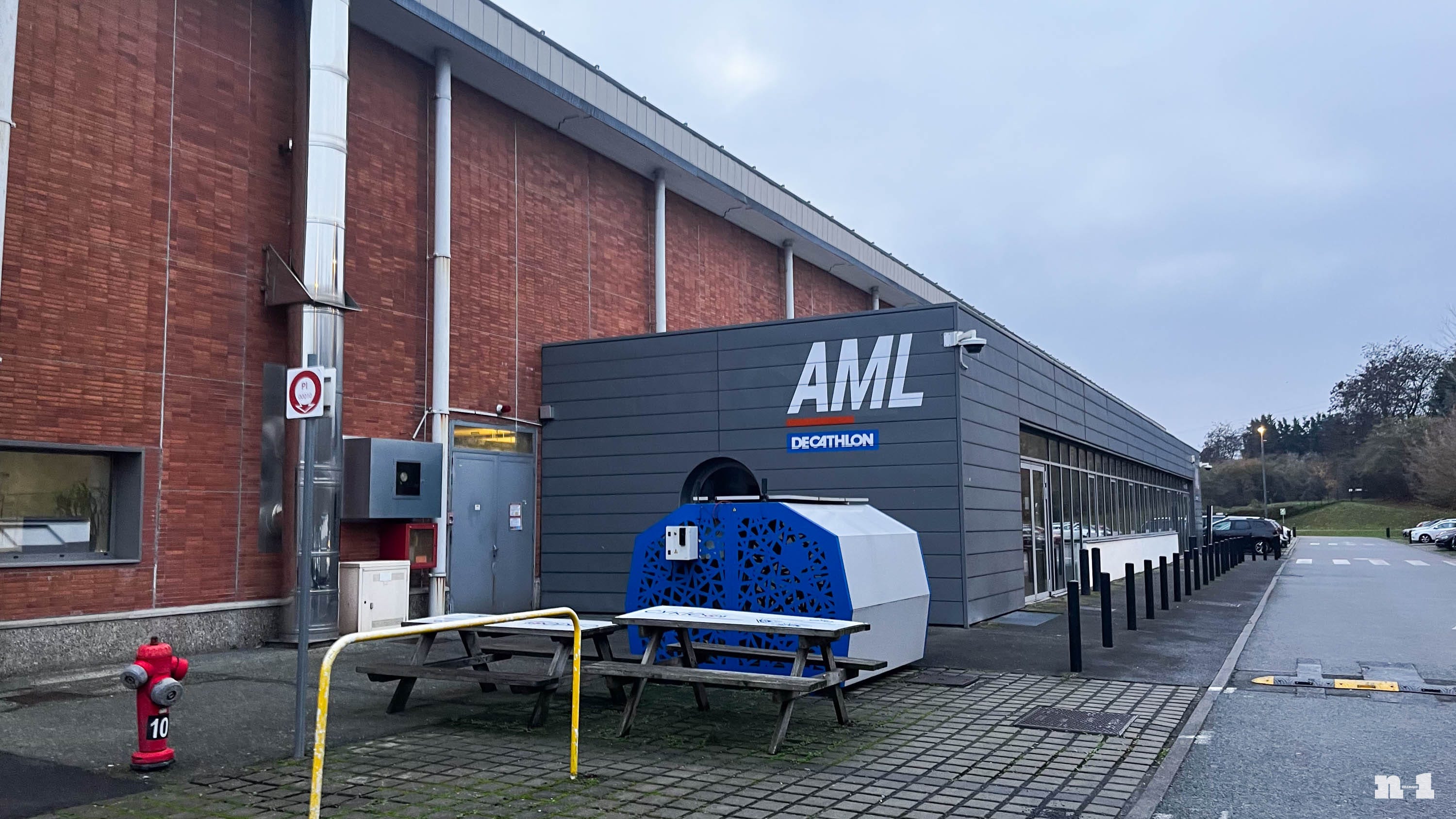
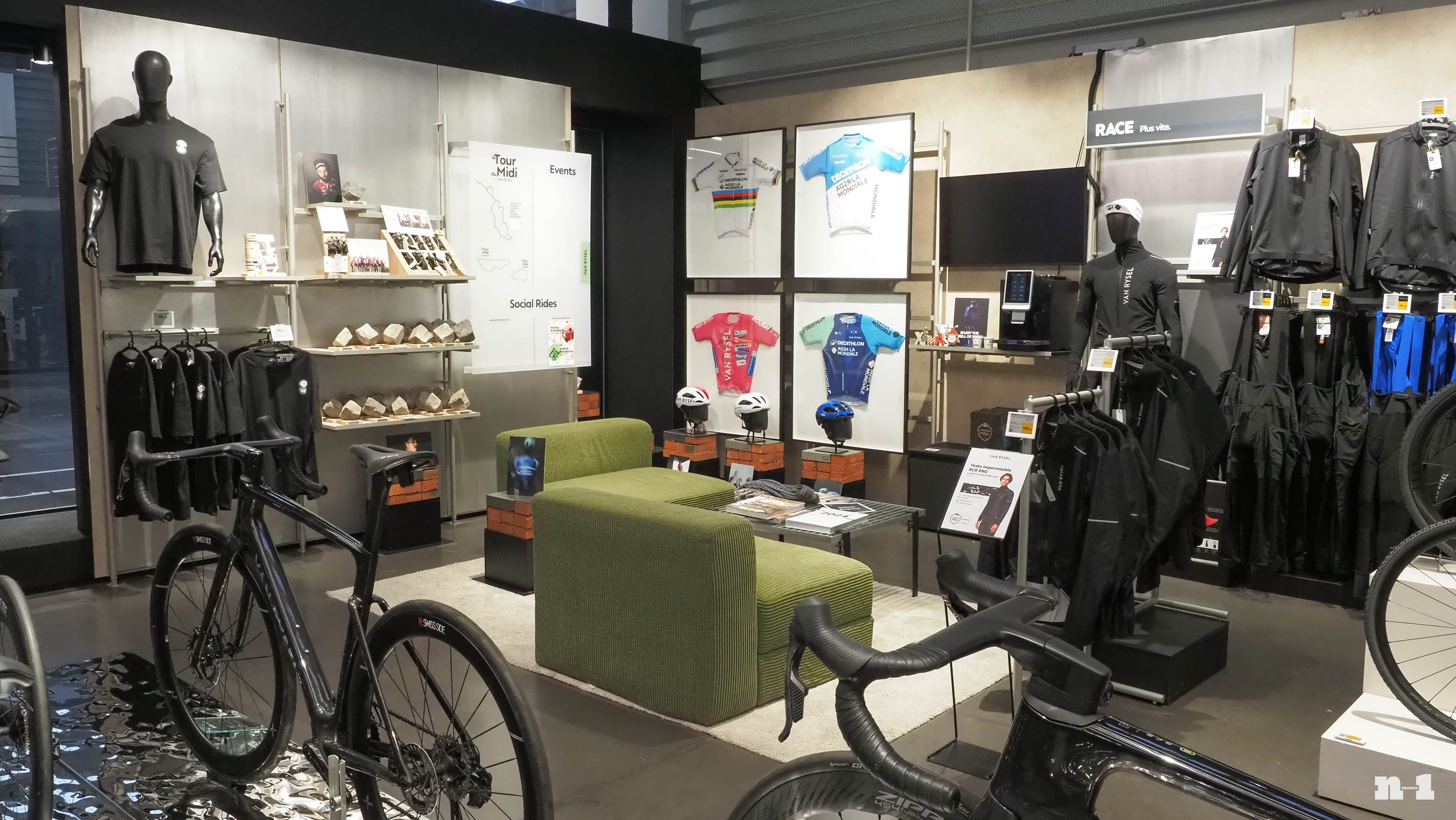
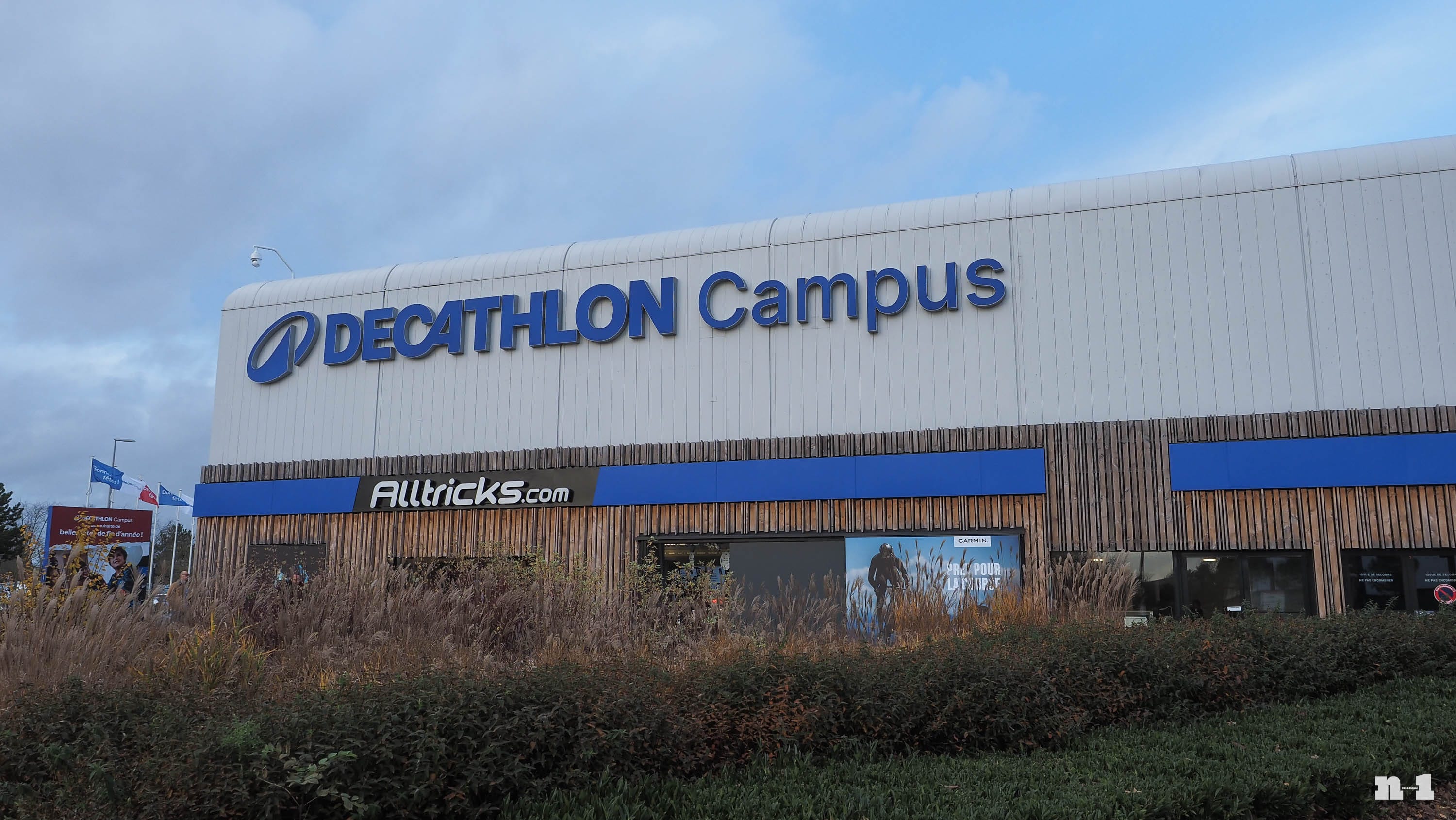
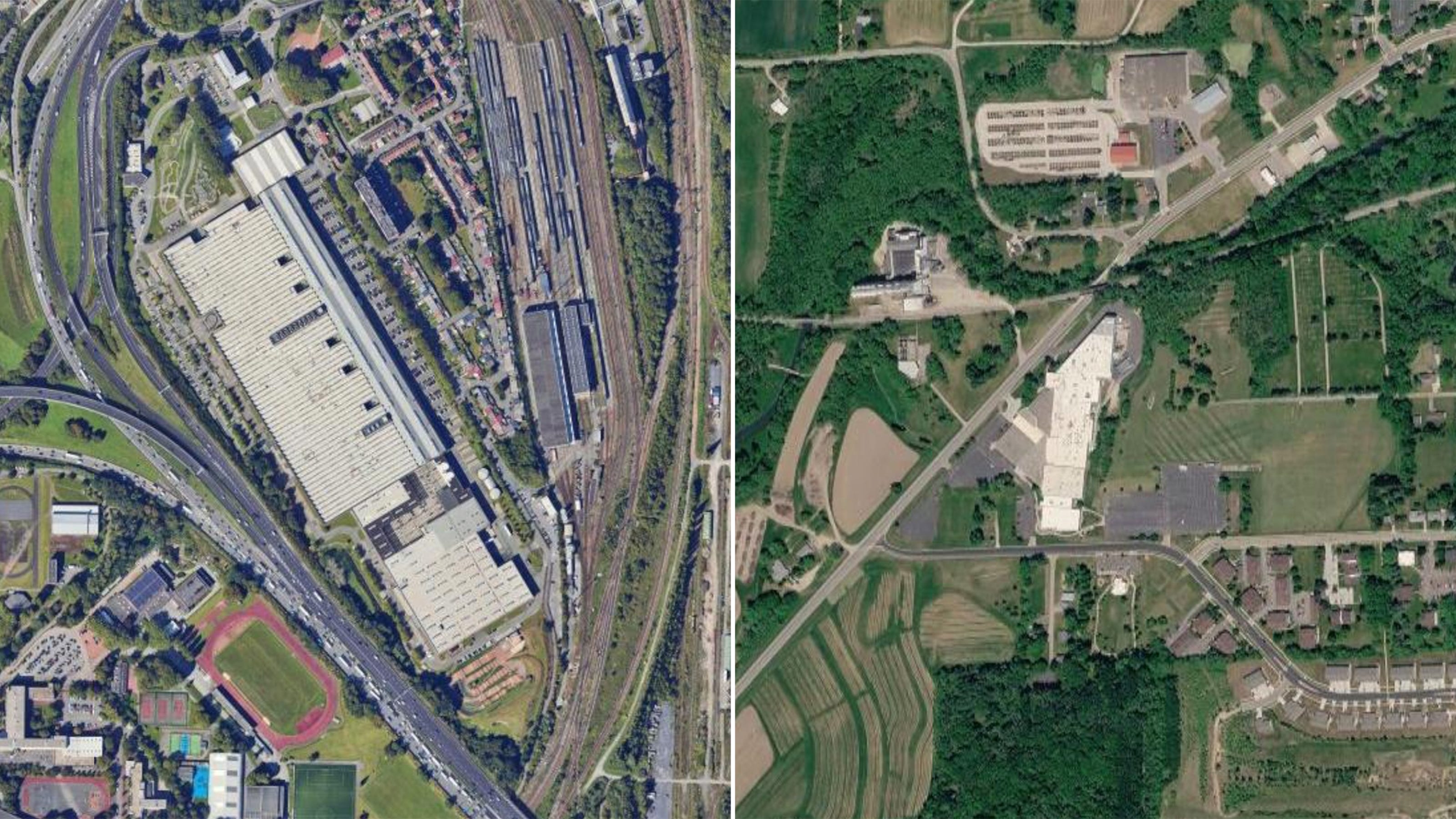
“Design center” is somewhat of a misnomer, too. Corporate offices are bundled under the same roof together with flagship factory stores and public activity centers (think parks, gathering areas, cafeterias, and so on). In the case of the Btwin Village, there’s a Decathlon-owned bicycle assembly facility directly adjacent as well, making some of these design centers more like full-blown campuses for both company staff and the buying public.
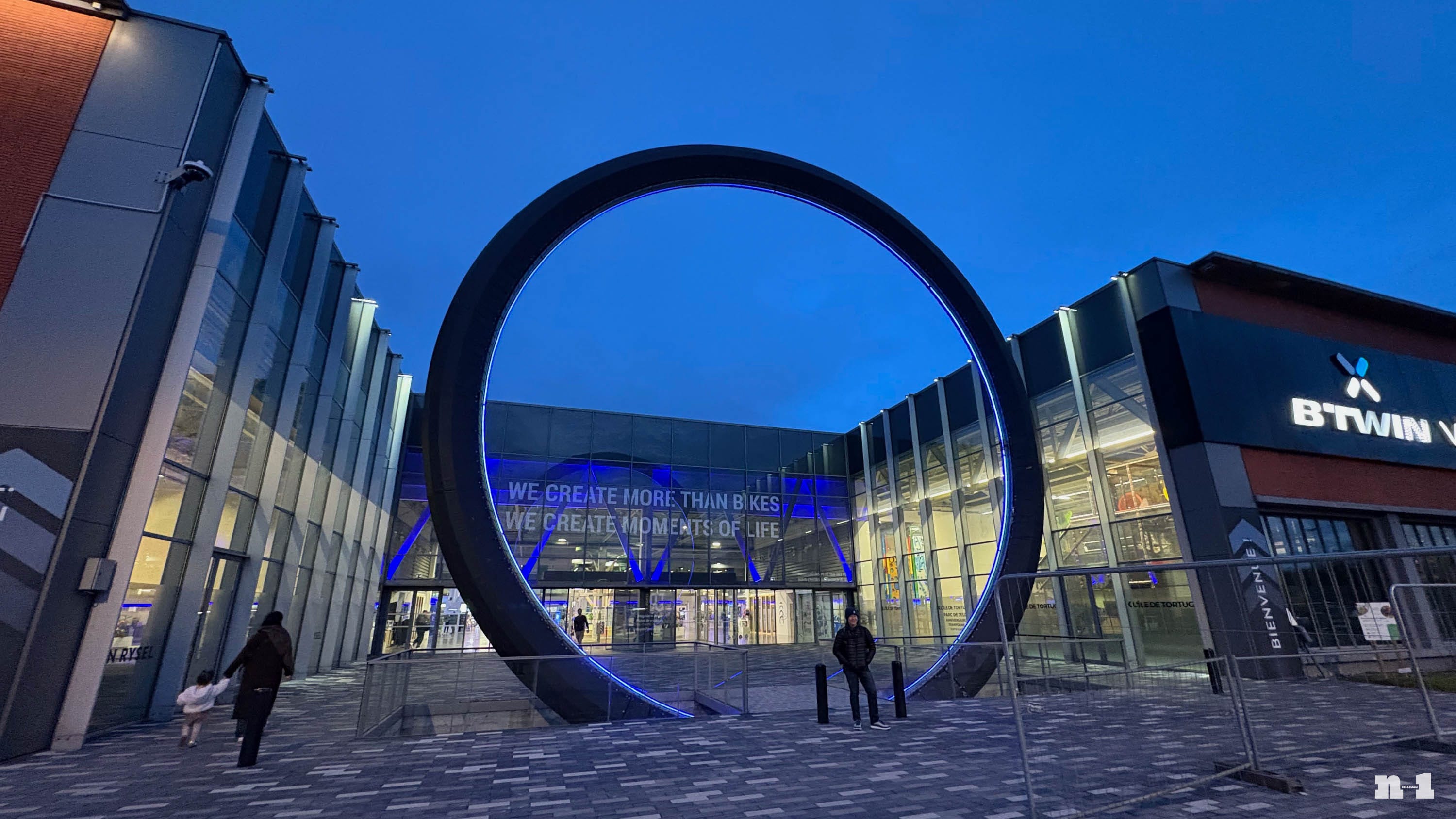
Not surprisingly, then, some of these things are truly massive. The Btwin Village building on its own is nearly a kilometer long (!) and comprises almost 200,000 sq m (more than 2.1m sq ft) of indoor space, or about ten times the size of Trek’s headquarters in Waterloo, Wisconsin – and again, keep in mind that this is just one of 18 design centers in total.
Size notwithstanding, it’s what happens inside those design centers where Decathlon’s operations integration becomes more apparent.
I’ve visited countless bike brand facilities over the year, and while many are impressive in their own right, they’re by definition dedicated to a single sport. In contrast, there’s more cross-pollination inside these design centers to help ensure they’re always fully utilized to help amortize development costs.
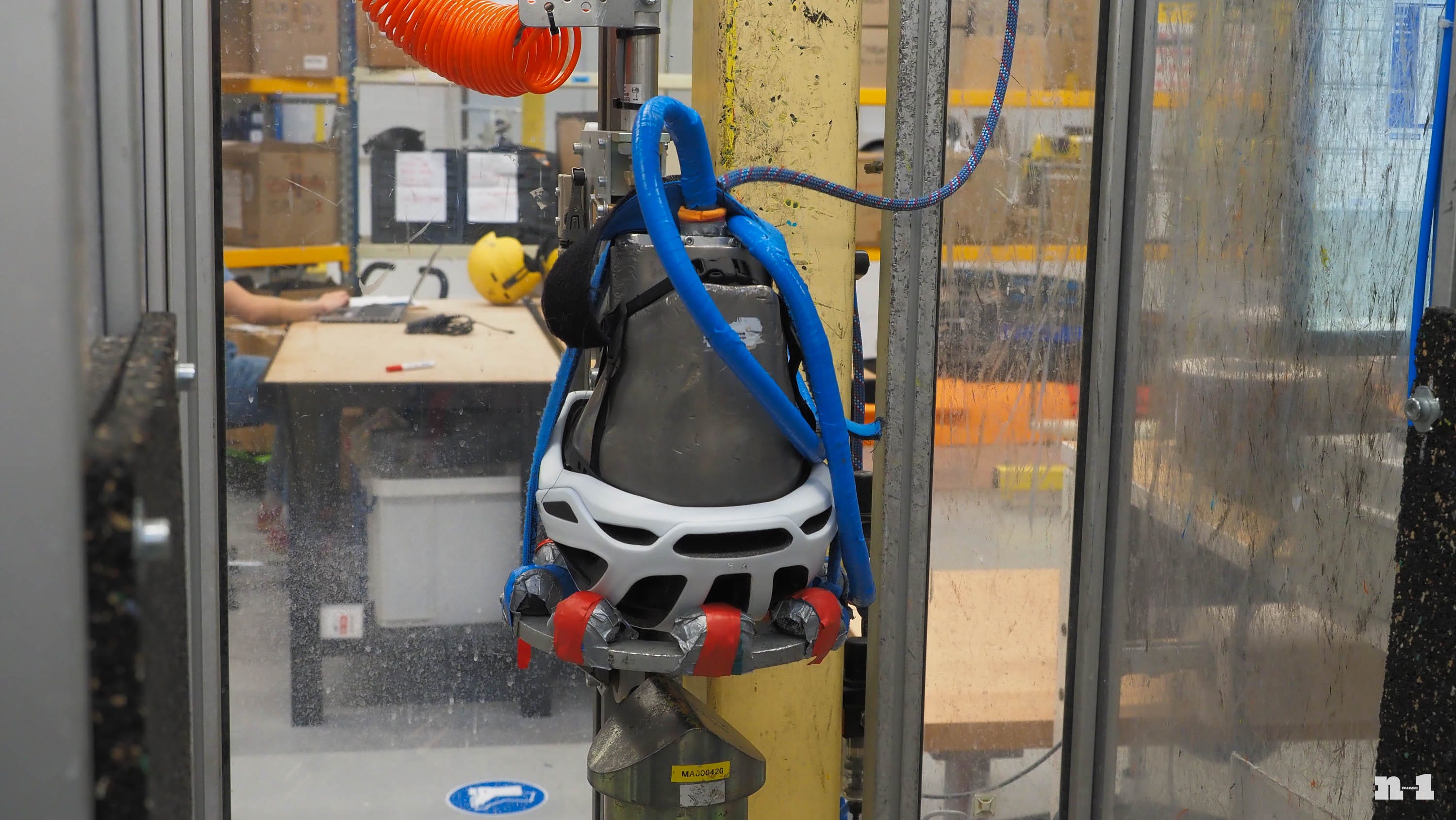
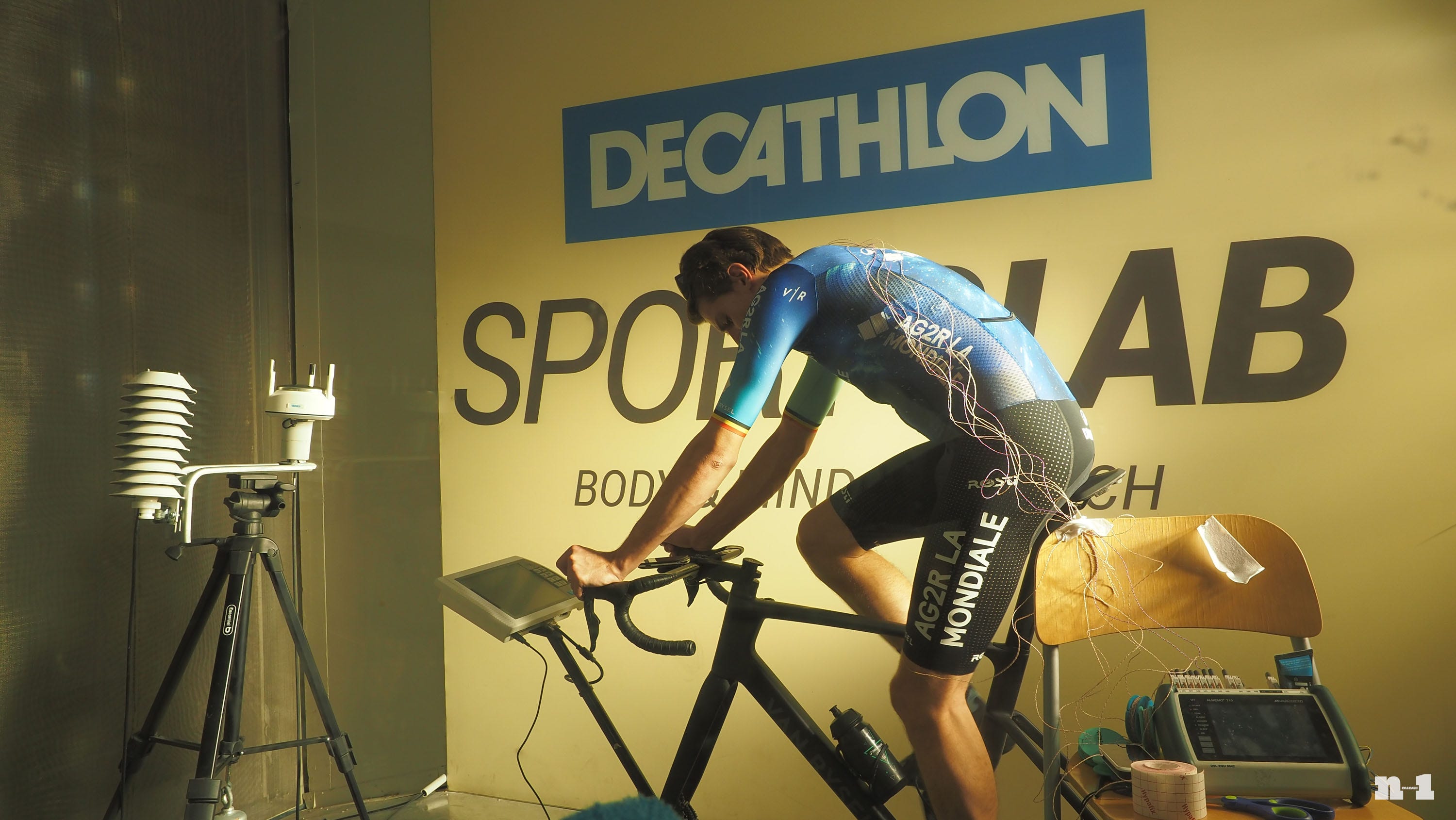
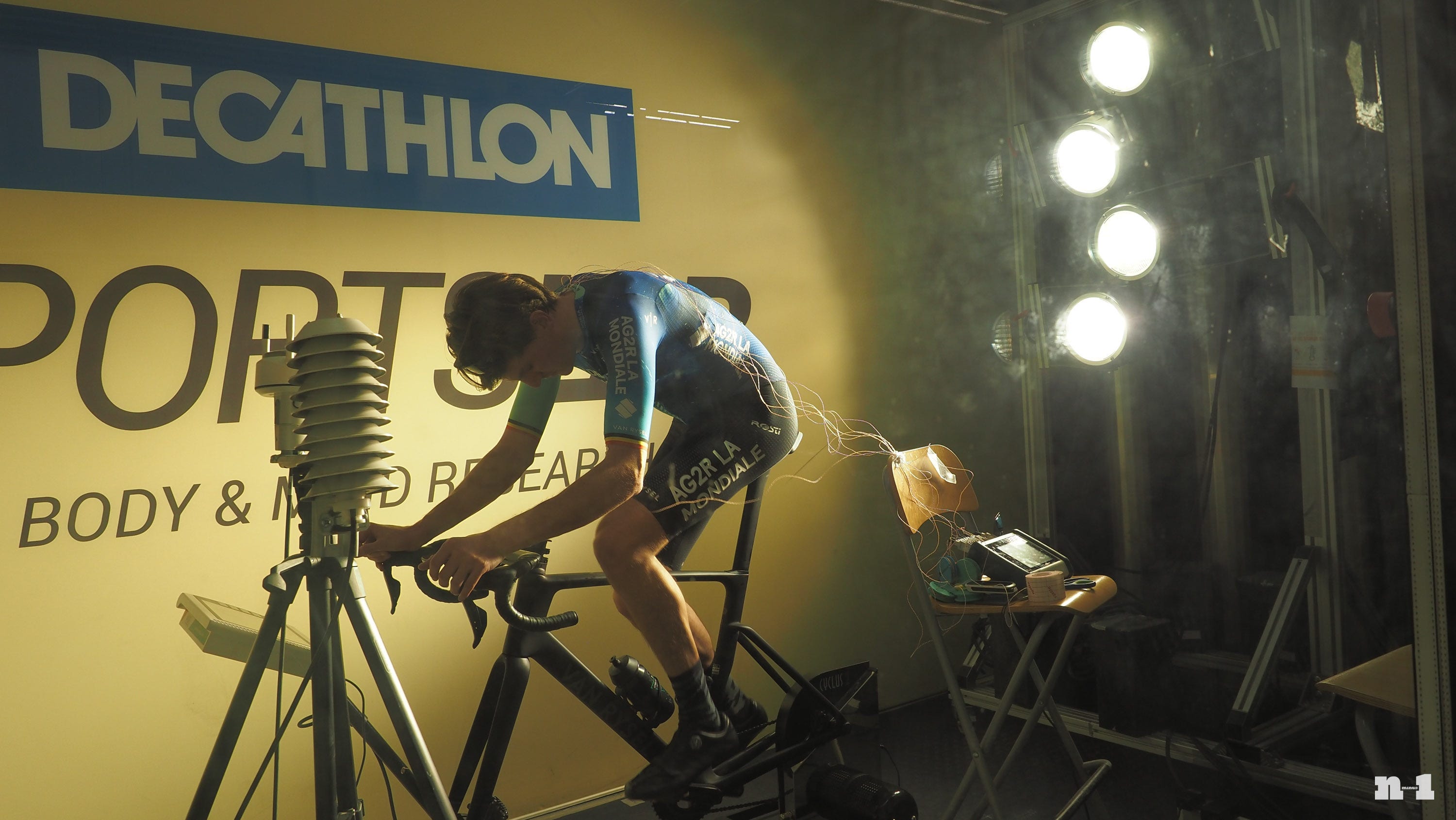
The helmet lab might test stuff for cycling one day, skiing the next, and then equestrian helmets the day after, and all of that data is shared across the various disciplines. It’s the same for the apparel and fabric labs, the human motion studios, footwear testing, environmental chambers, the prototyping shops, the advanced concepts areas, and so on. They say idle hands are the devil’s workshop, but from a business standpoint, they also just cost money, and “idle” doesn’t seem to be in Decathlon’s corporate vocabulary.
An upward pivot
Cycling is reportedly one of Decathlon’s most important product categories globally, but the company in recent history has largely been content to occupy the lower and middle rungs of the pricing and performance ladder – nicer than what a typical big-box store might sell, but closer to the entry level of what you’d find at a nice bike shop.
Decathlon clearly saw a big opportunity for growth here, however, with the launch of the upscale cycling brand, Van Rysel, in early 2019.
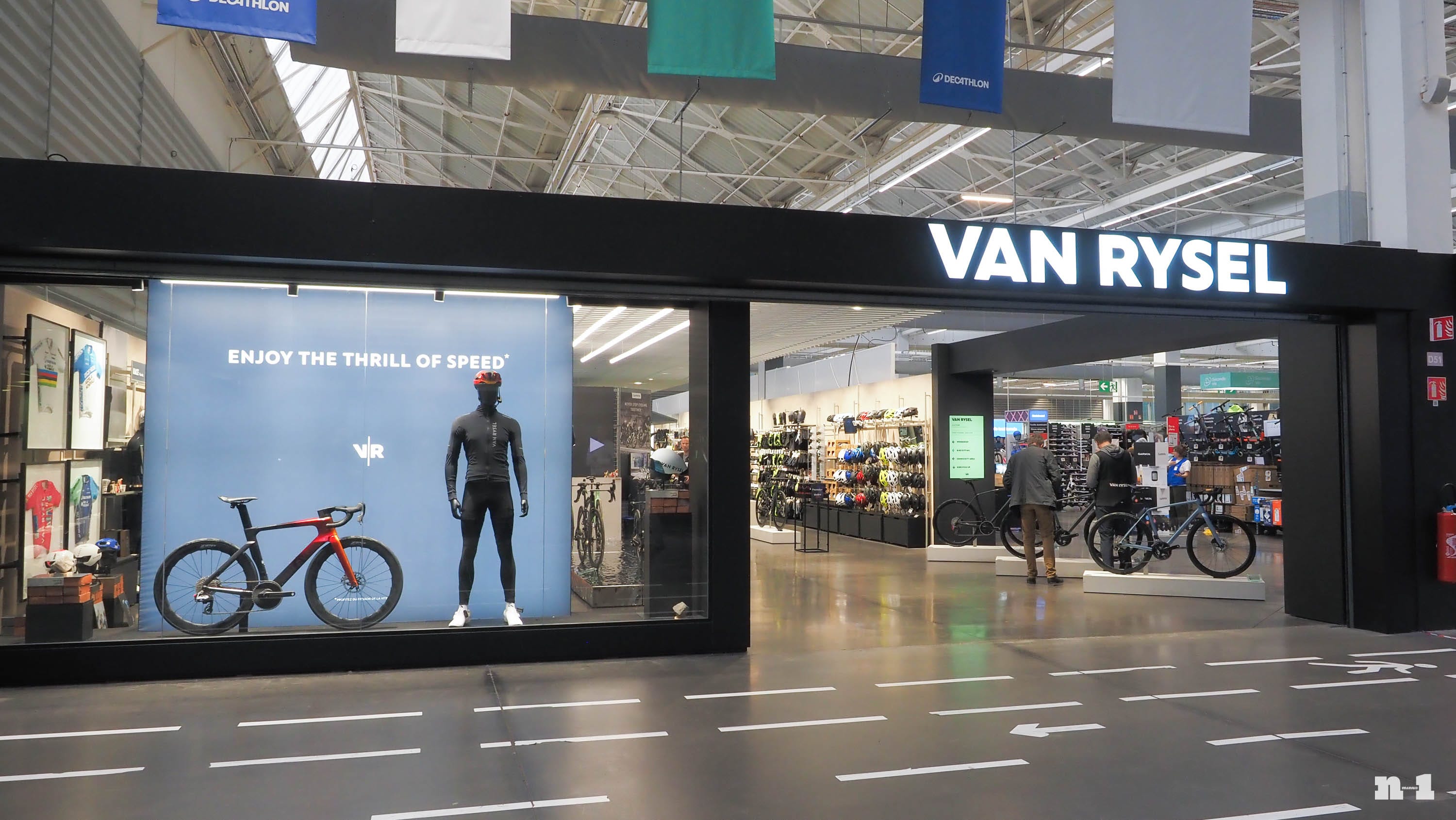
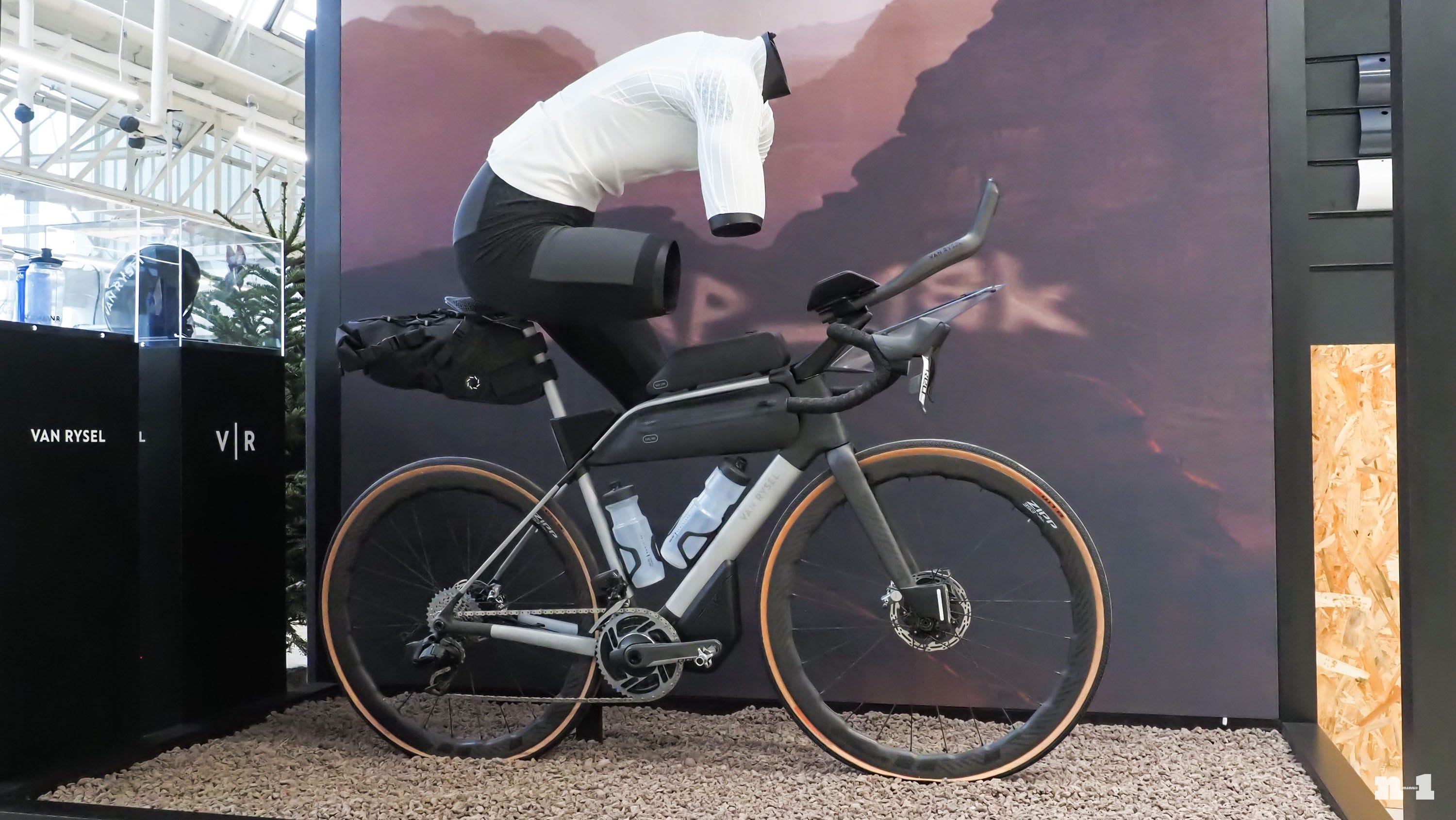
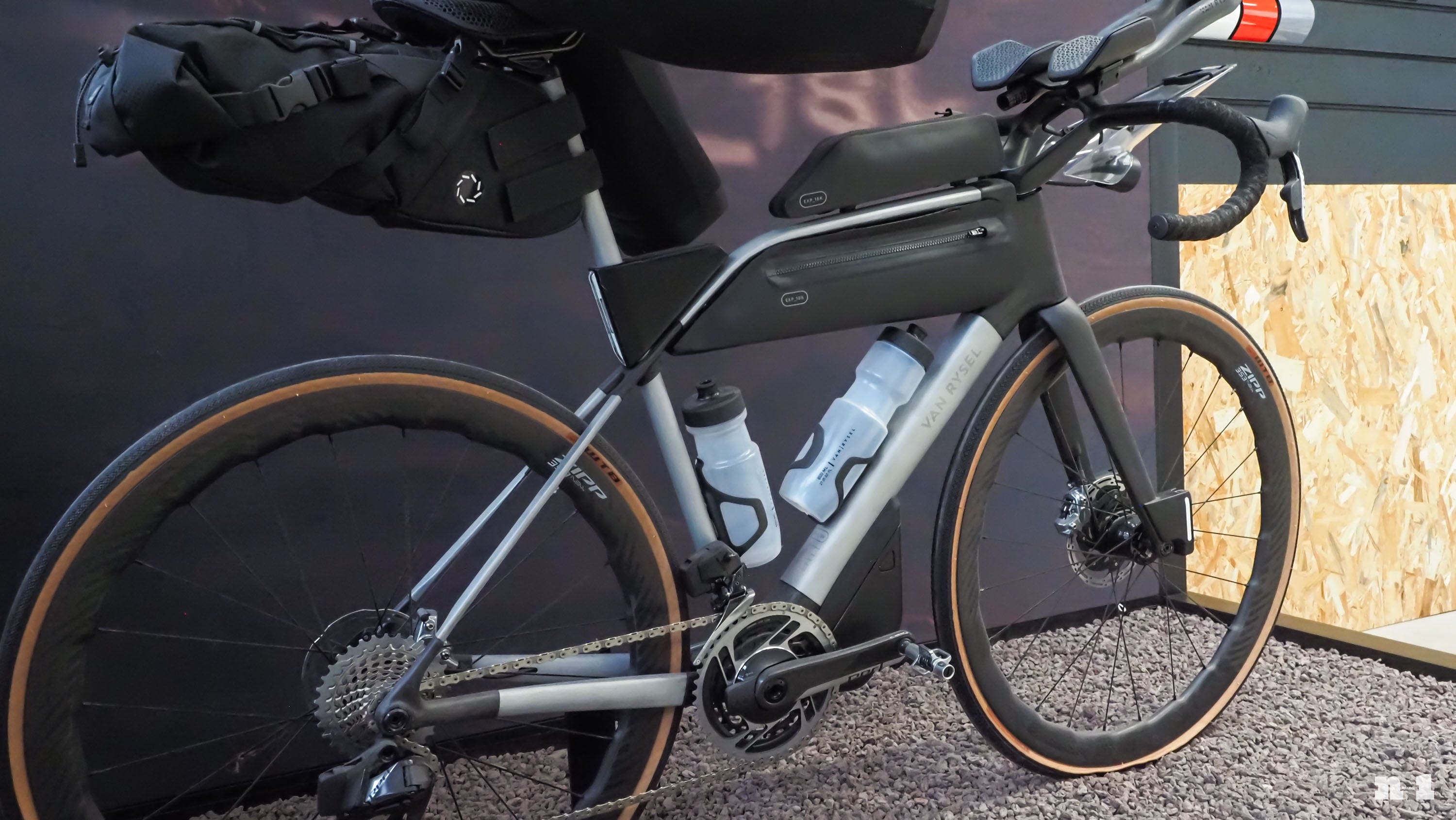
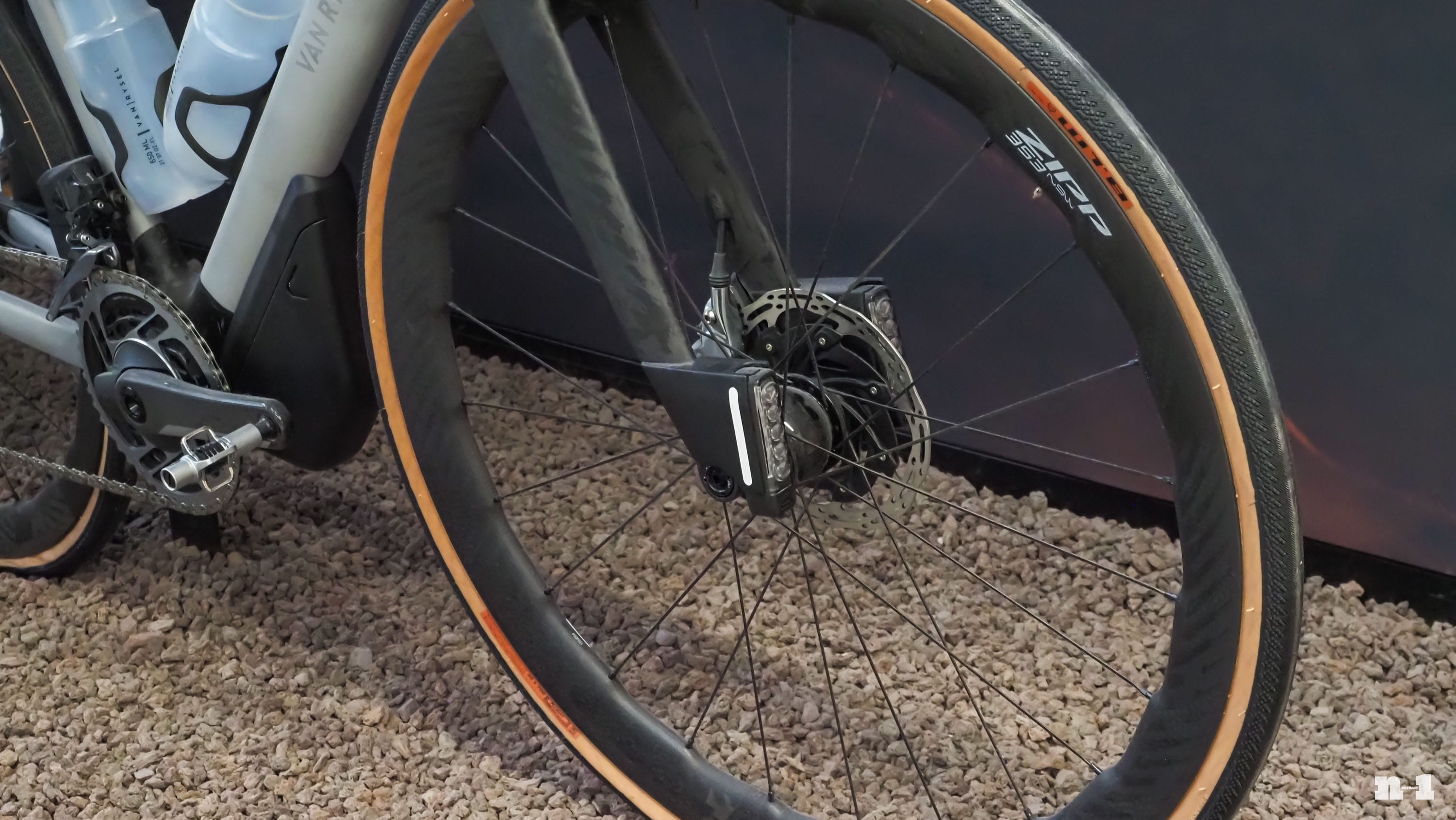
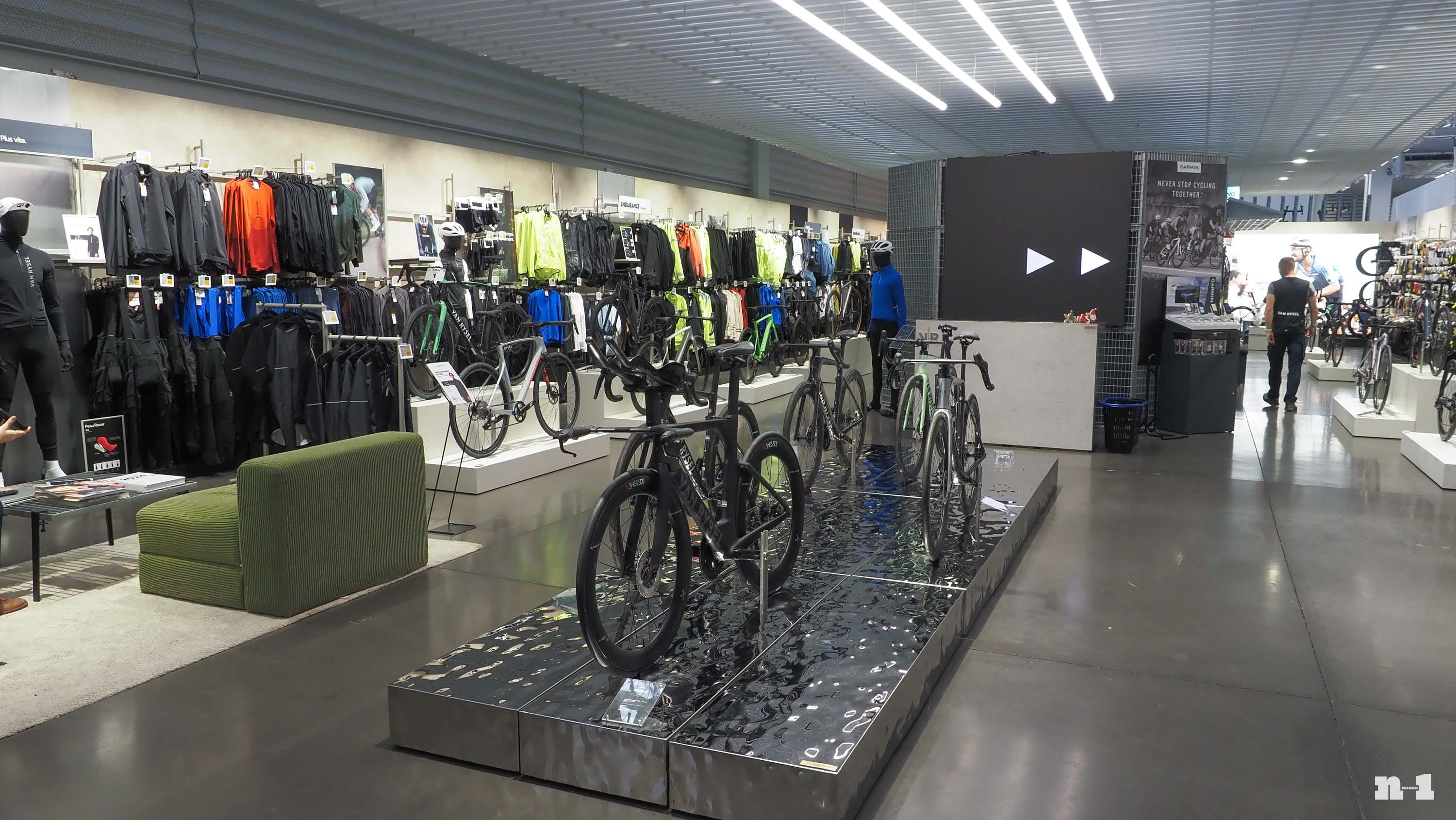
The initial offerings were decidedly modest, comprising just seven road bikes in total: two with aluminum frames, the others with carbon ones, and – quite curiously – all with rim brakes. That original collection perhaps reflected Decathlon’s somewhat more conservative nature, but things have accelerated since then. The current range has more than quadrupled in size, expanding into gravel, time trial/triathlon, and even a handful of e-bikes, with prices topping out at a heady (for Decathlon, anyway) €9,000. There’s also now a healthy collection of clothing, shoes, helmets, and accessories, and most of this stuff is offered in dozens of countries throughout Europe, North America, and Asia.
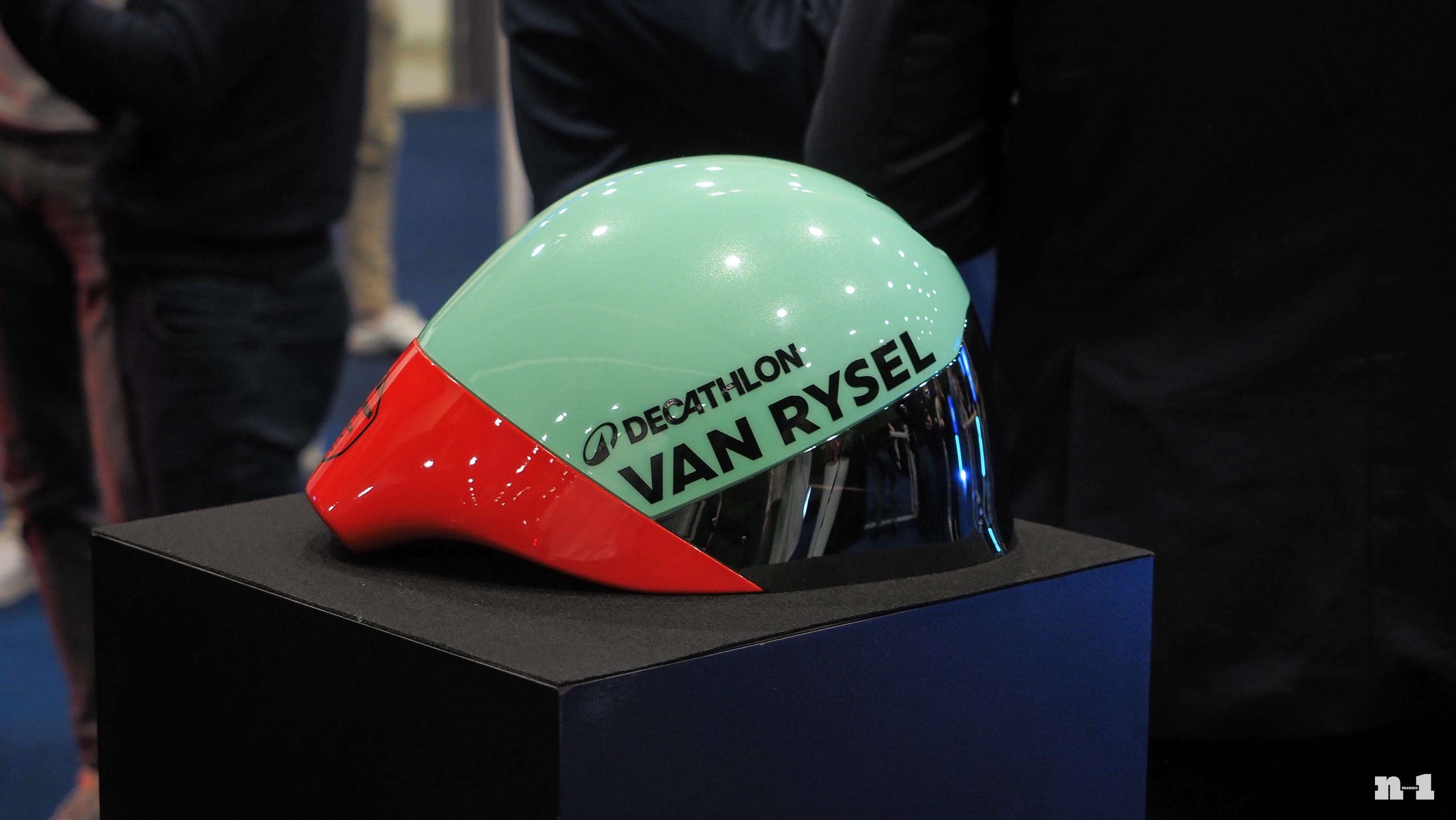
Van Rysel really is working pretty hard to break free from Decathlon’s historically more entry-level cycling roots in terms of performance, too. You won’t find a single rim brake in the current range, and the flagship stuff is legitimately going head-to-head with halo models from more-established competition. Launched in 2024 with development help from the folks at Swiss Side and ONERA (France’s national aerospace research center, which also happens to be in Lille), Van Rysel’s RCR-F aero road racer is currently the fifth-fastest bike ever tested in the wind tunnel by German publication Tour Magazin, beating out the newer Colnago Y1RS, Factor One, and Cervelo S5 (and the Van Rysel RCR-F aero road helmet landed well within the top-ten of Cyclingnews’s wind tunnel group test this past July, too).
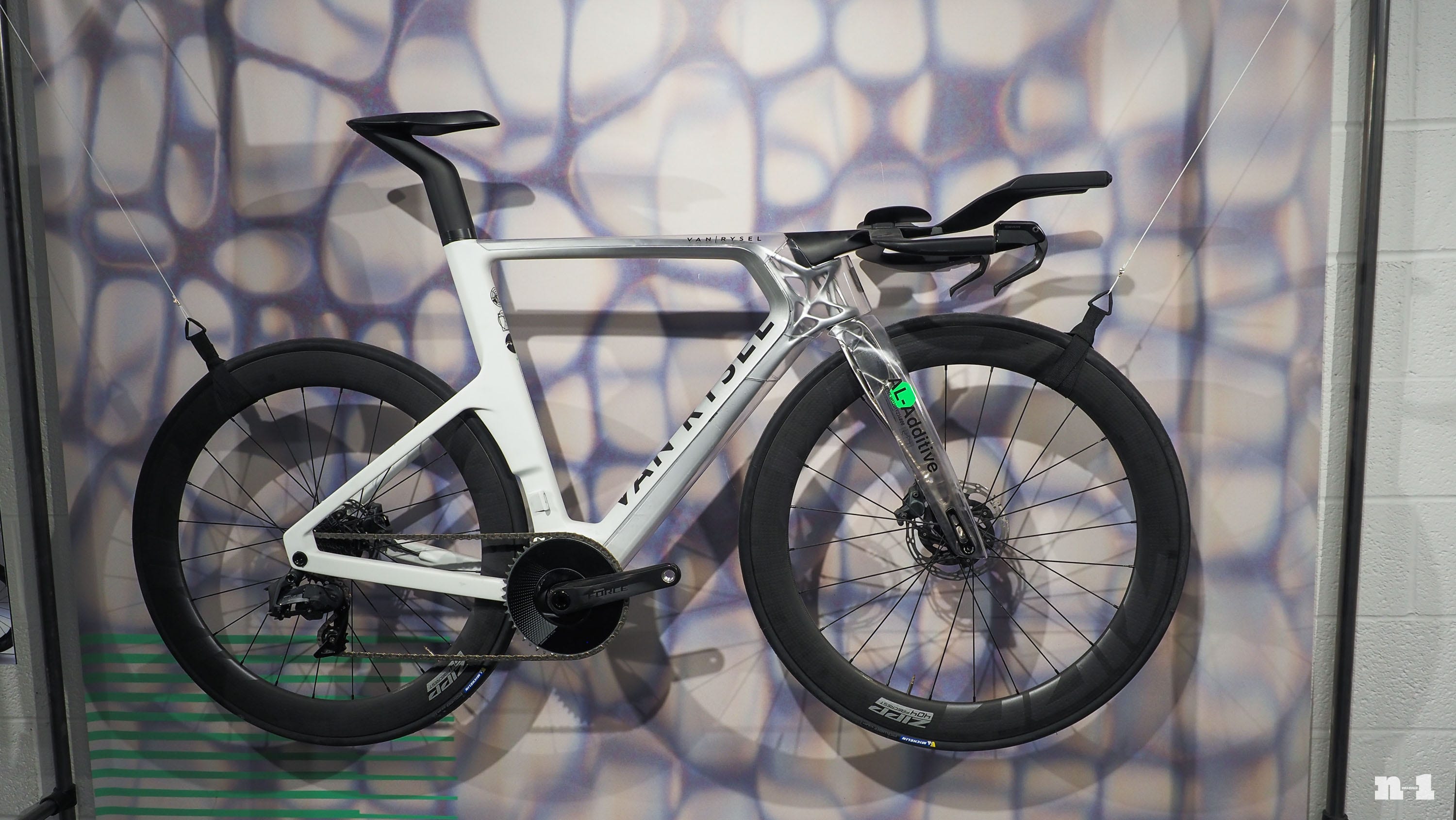
Keep in mind that the RCR-F didn’t just top those other bikes from an aerodynamics perspective, either; it’s way more affordable, too. The flagship RCR-F Pro is more than €5,000 less expensive than a Specialized S-Works Tarmac SL9 (or more than €7,000 less than a comparable Colnago Y1RS). And that RCR-F helmet? It’s shockingly attainable at just €120, or less than half the asking price of the major brands.
Again, all of this comes straight out of Decathlon’s proven playbook. And perhaps not surprisingly, it seems to be yielding the desired result.
Decathlon says the Van Rysel brand has seen annual double-digit growth for most years since its debut, and total annual sales are rumored to already be somewhere in the neighborhood of €500m. Decathlon declined to officially confirm that figure, but even if the reality is somewhat close, that puts Van Rysel well on the way toward achieving its goal of being one of the top cycling brands worldwide despite only being in business for less than a decade.
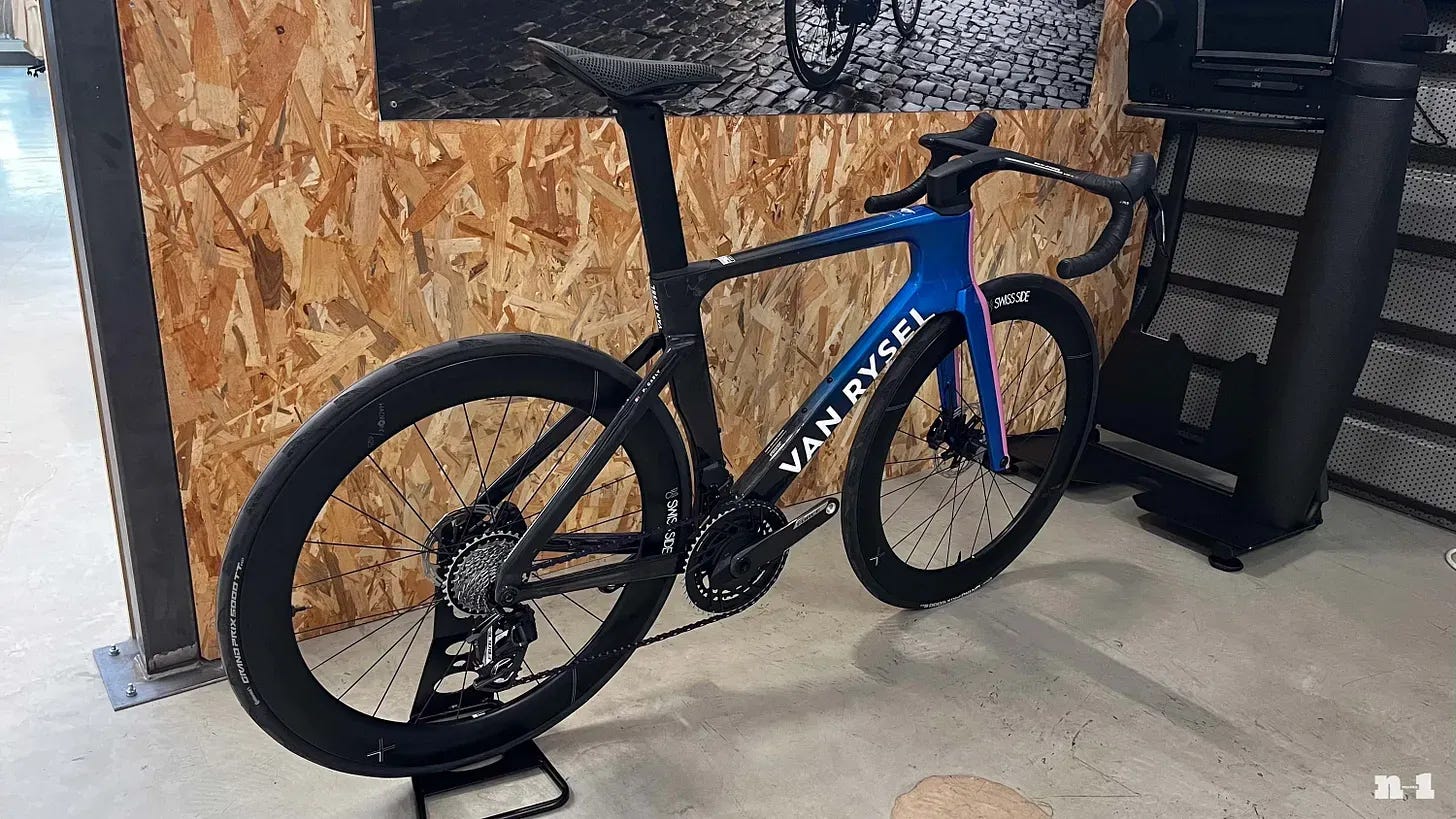
“I did the L’Etape a week ago, and I was amazed at how many people were riding Van Rysels,” Shoddy relayed to me. “And kit-wise, everybody is wearing it. Helmets are super popular, shoes, it’s just the go-to stuff. And you’re seeing a lot more of the top-end bikes. It’s not seen as a lesser brand here at all.”
Uncharted waters ahead
You may have noticed that most of the currency references in this article so far have been in euros. That’s partly because we’re talking about a French company here, but it’s also because while Decathlon is practically a household name in Europe (with Van Rysel apparently gaining a pretty good foothold there as well), the brand has yet to establish much of a presence in the United States.
Think about this for a second: Decathlon’s total annual revenue is around US$24b / €21b, but it manages to hit that astronomical figure with comparatively little activity in the United States. It’s not for lack of trying, either. In fact, Decathlon has attempted twice to plant roots on US soil, first in the late 1990s after buying and converting a New England-based chain of outdoor stores called MVP Sports, only to walk away in defeat in 2006 due to poor sales performance.
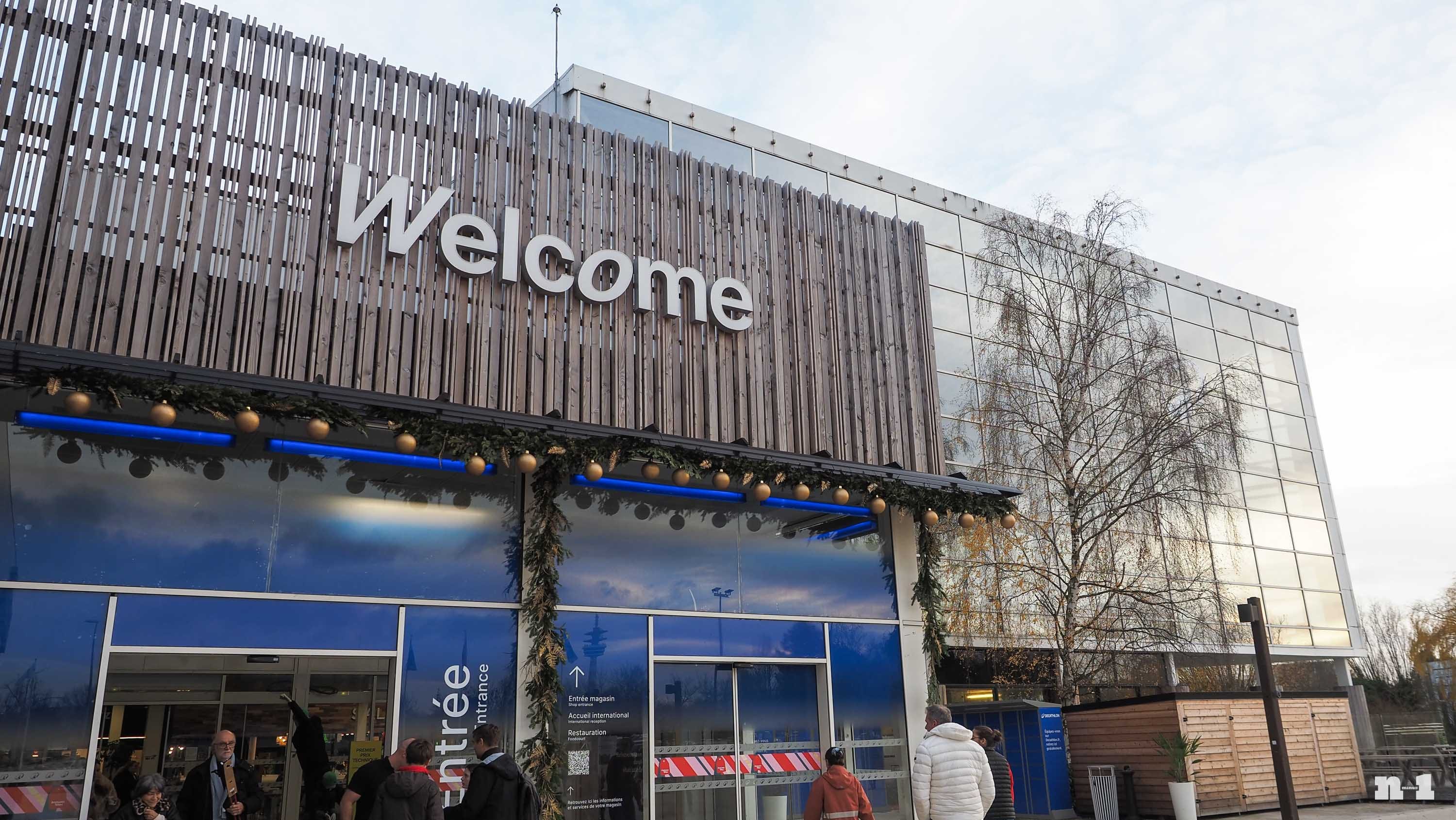
Decathlon then tried its hand on the west coast with a smaller concept store in downtown San Francisco in 2018, followed by a full-sized factory store in nearby Emeryville that was more in keeping with its global standard. That experiment was even shorter. Both locations closed permanently in early 2022, with Decathlon officially stating it was going to shift its focus stateside to e-commerce. This has allowed Decathlon to maintain at least a toehold in the United States, albeit only a digital one (some camping and hiking gear is also now sold online through a partnership with Walmart).
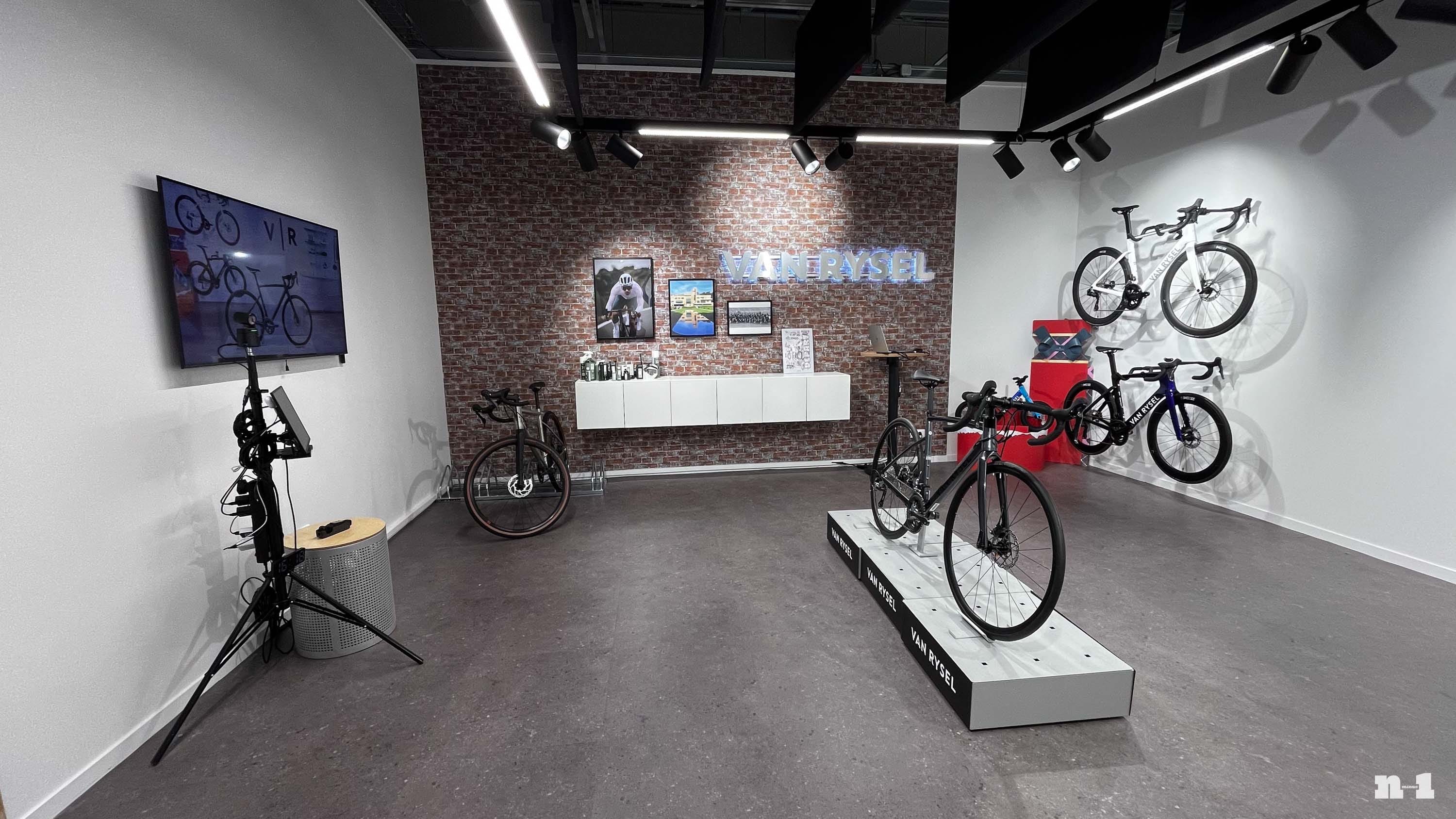
As such, Decathlon doesn’t have the same infrastructure in place and has a much steeper hill to climb than it did on home soil when it comes to introducing the Van Rysel brand to a new audience. Instead, Decathlon has opted to partner with existing independent bicycle dealers (IBDs) to launch Van Rysel in America.
This makes sense on the one hand because each of those dealers should theoretically understand their own local market better than an international megalith coming in as an outsider. However, that sort of arrangement also further muddies the Decathlon formula. Granted, Decathlon doesn’t operate exclusively within its own stores worldwide, but those factory stores are still its bread and butter, and so working with third-party IBDs will inevitably introduce some variability in terms of the overall customer experience.
Shifting to an IBD model also erodes some of Van Rysel’s cost advantage since an additional layer of margin has to be baked into the pricing. For example, whereas that flagship Van Rysel RCR-F Pro is a substantial 25% less expensive than a comparable Trek Madone Gen 8 at €9,000 vs. €12,000, the difference in US pricing is a more modest 14% (US$11,600 vs. US$13,500). That’s still a big savings, but it’s nevertheless a less convincing value argument, particularly when you also have to convince a potential customer on the merits of a new and unfamiliar brand.
Speaking of familiarity, this is perhaps the biggest challenge for Van Rysel.
It’s basically starting from ground zero in terms of marketing and brand identity when it comes to the American audience, and historically speaking, marketing hasn’t exactly been Decathlon’s strong suit. In fact, Decathlon has proudly stated in the past that “We don’t sponsor teams and we pledge to reduce our marketing bills so we can deliver on the promise of great prices.”
Decathlon didn’t even have a chief marketing officer at all until 12 years ago – almost four decades after the company was founded, which seems genuinely bonkers for a company this size that’s been built on selling stuff.
However, one huge upside of starting from scratch is that Van Rysel has a blank slate to work with, and has an awful lot of upward mobility. Decathlon has also clearly demonstrated its intention to throw its full might behind making Van Rysel successful.
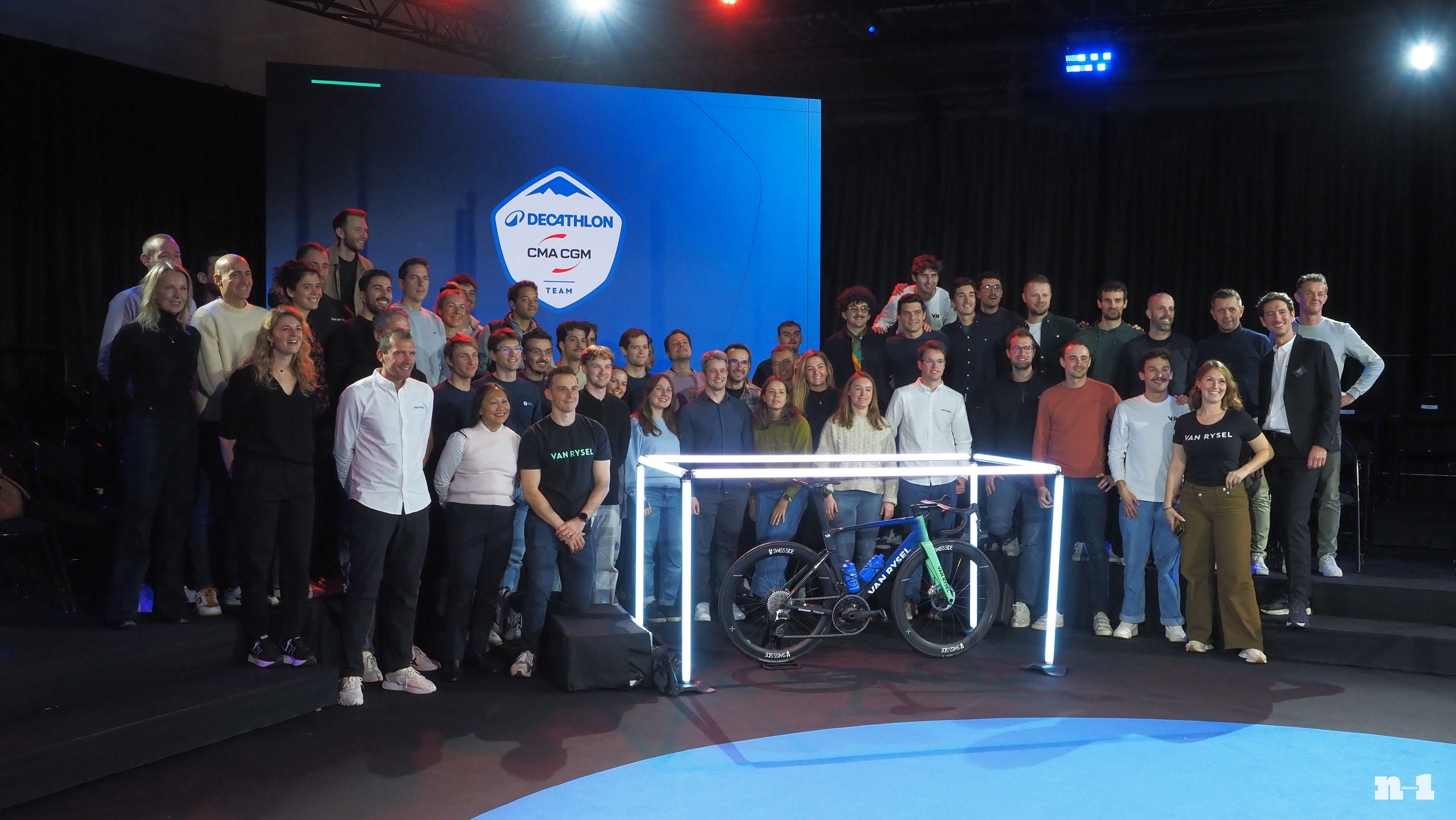
Marketing will obviously be a big part of this campaign, and that old pledge to not sponsor teams has already gone out the window. Decathlon became the co-title sponsor of the French Ag2r team back in 2024, and it’s bolstered that commitment as the squad has now transitioned to Decathlon CMA CGM (CMA CGM is a large French shipping and logistics company, a partnership that admittedly feels a little odd given Decathlon’s longstanding relationship with Maersk).
Granted, pro team sponsorship doesn’t tend to have quite the same impact in the United States as it does in Europe, and it can’t be ignored that it says “Decathlon” on the jersey and team bus, meaning viewers have to look a little closer to see that the riders are on Van Rysel bikes. Nevertheless, every little bit helps, and the signing of big names like French sensation Paul Seixas and up-and-coming American Matthew Riccitello doesn’t exactly hurt.
There’s also the appeal of Van Rysel being a sort of European forbidden fruit, much like Canyon was not long ago. Van Rysel may have been slow in landing on US shores, but that’s also allowed time to build some much-needed buzz and brand awareness while it figured out its launch strategy.
It can’t be ignored, either, that the market is clearly pretty hungry for new players in the field. It’s not that established brands like Trek, Specialized, Giant, Cannondale, Scott, and others aren’t producing good stuff. However, the reality is that while cycling likes to portray itself as a performance and technology-driven industry, it’s also at its roots a fashion-driven one, and few things are more exciting than a new kid on the block. Tarmacs and Madones and TCRs may be a dime a dozen on your local weekly group ride, but show up on a Van Rysel and you’re bound to get some questions.
Van Rysel is making some good headway in building its retailer base, too. Its web site currently lists 32 dealers in the continental United States, including a few heavy hitters like R&A Cycles all three locations) and Contender Bicycles. And according to Jacobus, that figure is expected to double by the end of 2027. In other words, if you’re a cyclist in the United States and you haven’t yet heard of Van Rysel, there’s a good chance that’s about to change.
The X factors
One of Van Rysel’s most important attributes is unfortunately – for Decathlon, anyway – also one of the most challenging to convey externally.
If you’re wondering where the “Van Rysel” brand name came from, it’s actually pretty straightforward. Most cycling fans will invariably think of Belgium if you mention something about Flanders, but the Flanders region once also included the part of northern France that sits along the border. That area – sometimes referred to as “French Flanders” – includes Van Rysel’s headquarters in Lille, and “Van Rysel” literally translates to “from Lille” in Flemish.
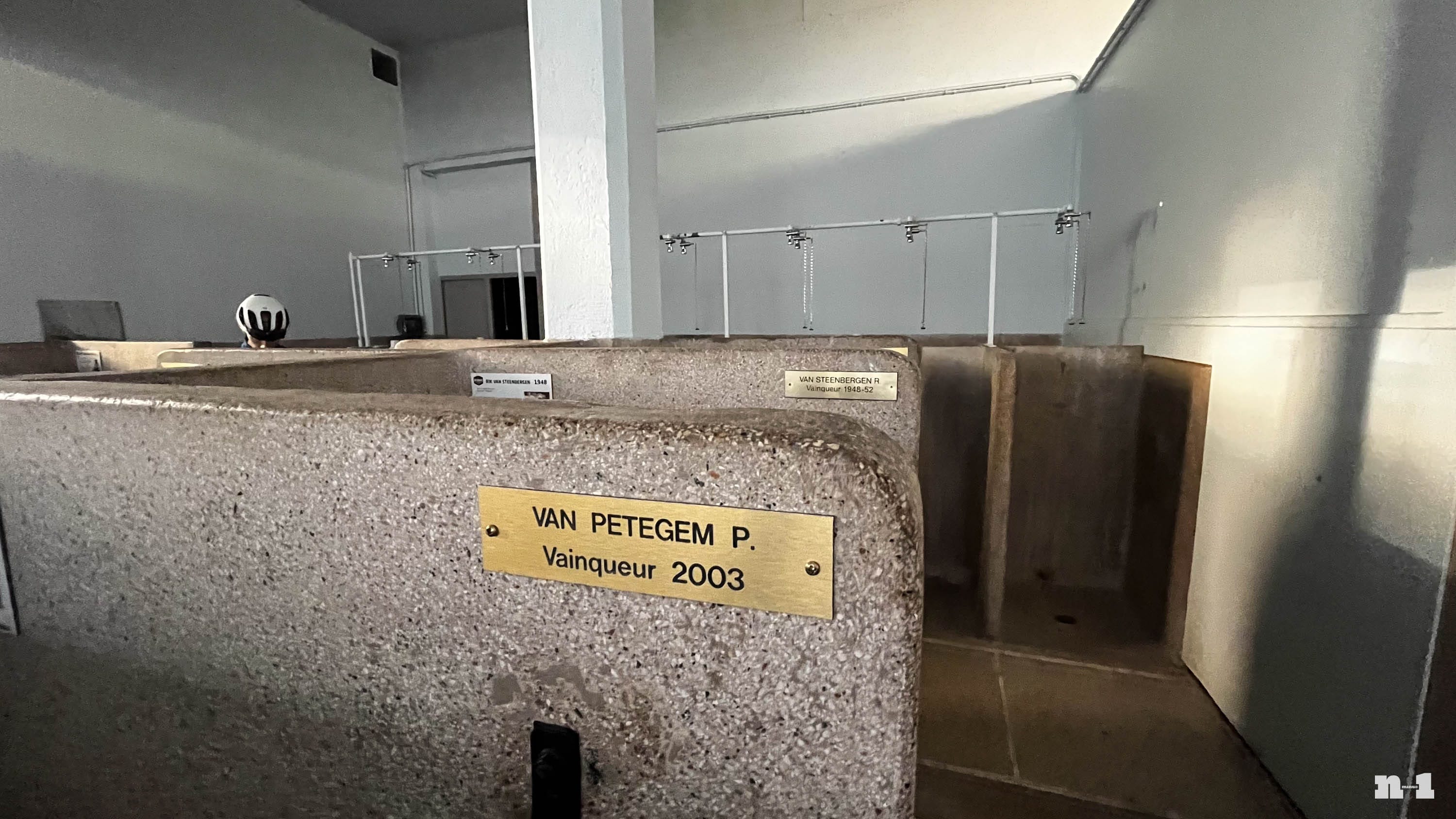
The famed velodrome that has hosted the finish of Paris-Roubaix for nearly every edition since 1943 resides in this Nord department of France. Oudenaarde, Belgium – the finish town for the Tour of Flanders – is just 60 km (37 miles) away. Omloop, Kuurne-Brussels-Kuurne, Gent-Wevelgem, you name it; they’re all technically in Belgium, yes, but Lille is minutes away. Famed cobbled sections are scattered throughout the area, and Van Rysel employees can roll out the front door of Btwin Village, hit a few secteurs of Paris-Roubaix pavé during a lunch ride, and still be back in time for afternoon meetings.
I visited Decathlon several months ago and was able to join a few staffers on one of those very routes. We were grabbing coffee at the service course for the Van Rysel Roubaix UCI Continental team (which doubles as a cafe and sits directly across from the entrance for the Roubaix velodrome), and while I was waiting outside for us to starting rolling back to Decathlon HQ, an older gentleman on foot approached me and excitedly asked (in French) if I was part of the team. He didn’t appear to be a cyclist himself – at least not in that stage of his life, anyway – but yet he was very clearly a big fan of the sport. Needless to say, he was pretty disappointed when I told him no.
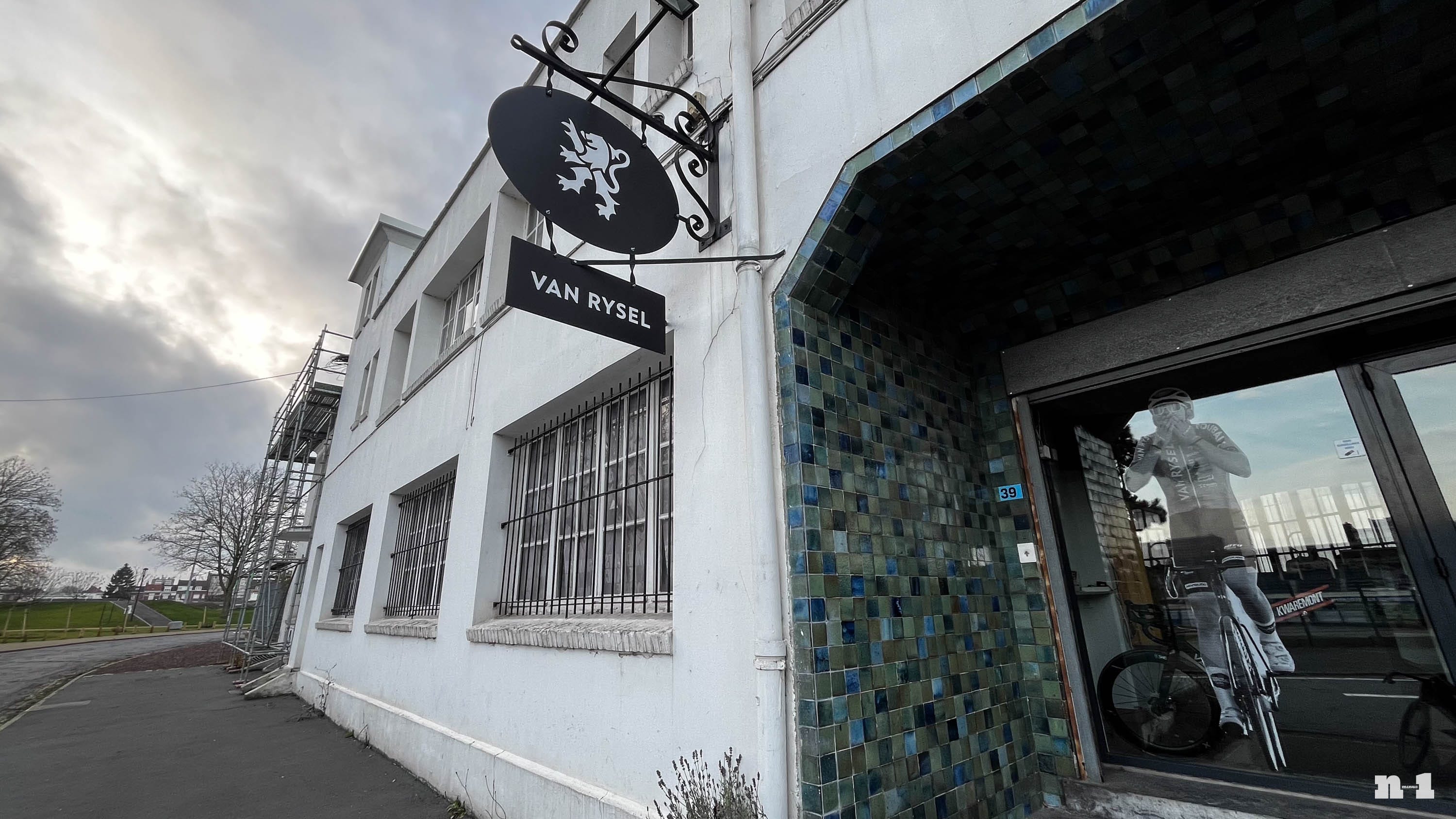
Point being, this is hallowed ground in the cycling world. Cycling is baked into the local culture, and the sport legitimately means something to the people who live here. For them, “Van Rysel” isn’t just some concocted marketing creation from a multi-national mega-corporation that’s trying to make some money selling bikes. It’s the home team, and when your home is Flanders and that sport is cycling, that’s kind of a big deal.
However, therein lies the challenge.
It’s easy to see and feel and breathe and smell that culture when you’re on the ground there. But how do you bottle all of that up and communicate that to an audience that’s almost certainly never seen or lived or experienced any of this stuff in person? Can you convey that with a few two-page spreads in bike magazines (what few are left, anyway) or a bunch of YouTube videos? Do you entrust a bunch of social media influencers to get that message across? Or do you just let all of those dealers do their thing, and sell the bikes based more on their performance merits as opposed to trying to sell the ethos?
In short, how the hell do you sell a vibe?
Thankfully, I don’t have to come up with the answer to that question; that’s Beverly Jacobus’s job, and a task I most certainly do not envy. That said, she does have one big ace up her sleeve: despite Decathlon’s size, it’s still a privately held company, owned and operated by the Leclercq and Mulliez families (Michel Leclerq is the original founder of Decathlon). As with any company rooted in retail, Decathlon still has to make money. But when it’s your family that owns the place and you’ve got a legacy on the line, there’s a tendency to think longer-term and bigger-picture, instead of focusing solely on quarterly earnings and shareholder dividends.
Decathlon has already tried and failed twice in the United States, but each time it’s gotten itself off the ground, dusted itself off, and tried again. Maybe the third time’s the charm in the US, at least with Van Rysel?
We’ll find out soon enough.