

Let’s talk about Avinox
The conversation so far has mostly been about the sky-high power numbers, but there are bigger discussions that need to be had.

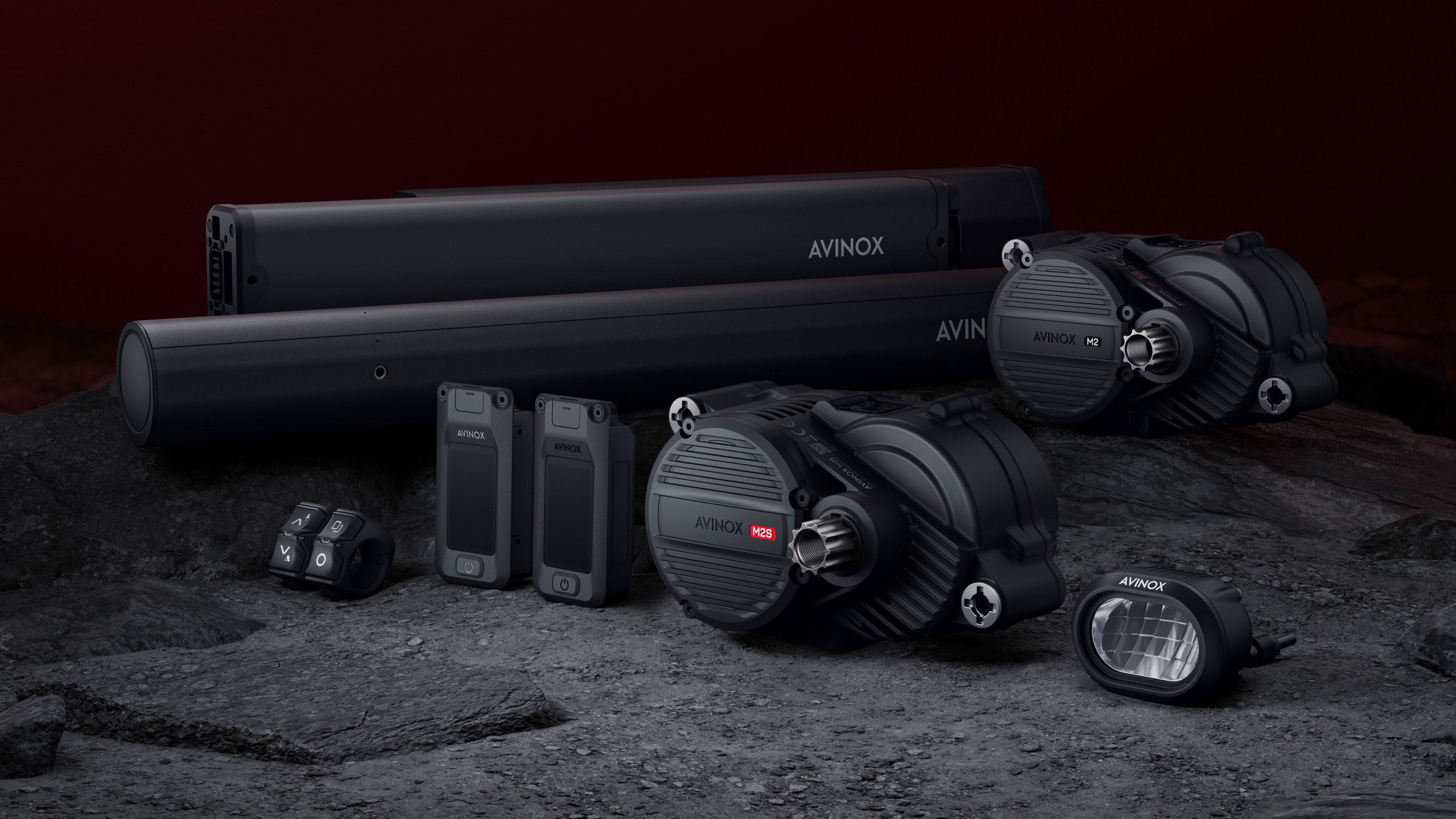
One of the biggest stories of last month’s Sea Otter Classic trade show was X-Lab, but another was Avinox, the e-bike division of Chinese drone mega-manufacturer DJI – and as it turns out, the two topics are sort of related.
Avinox practically took over the bicycle internet a few weeks ago with the introduction of its M2S eMTB drive system. Most of the hype has revolved around its incredibly high claimed output figures, and at least five dozen bike brands rolled out their own new Avinox-equipped models all at once. If you missed the news that week, you were truly either living in a cave or hiding under a rock somewhere (or blissfully living your life without being exposed to the perils of social media).
But while Avinox’s eye-popping power and torque figures are certainly worthy of attention, it’s arguably more important to talk about the forest for the trees here.
Avinox is upending the established players, but is that a good thing? What does that mean for the competition – and the category – long-term? What happens when riders care more about the motor on their bike instead of the frame to which it’s attached? And is Avinox – and all of its bike brand partners – playing with fire?
Let’s dive in.
Jaw-dropping specs
It’s hard to overstate how big a bomb Chinese drone behemoth DJI dropped on the mountain bike industry when it unveiled that first Avinox e-bike drive system at the 2024 Eurobike trade show (Avinox was originally marketed under the DJI umbrella but it’s since been spun off as a standalone brand). Despite this being the company’s first-ever eMTB motor and entering a market that was already quite mature, Avinox’s original M1 was nevertheless smaller, lighter, and more powerful than anything else on the market at the time from legacy players like Bosch, Specialized, and Shimano, while also incorporating built-in traction control to help put all that power to the ground more effectively.
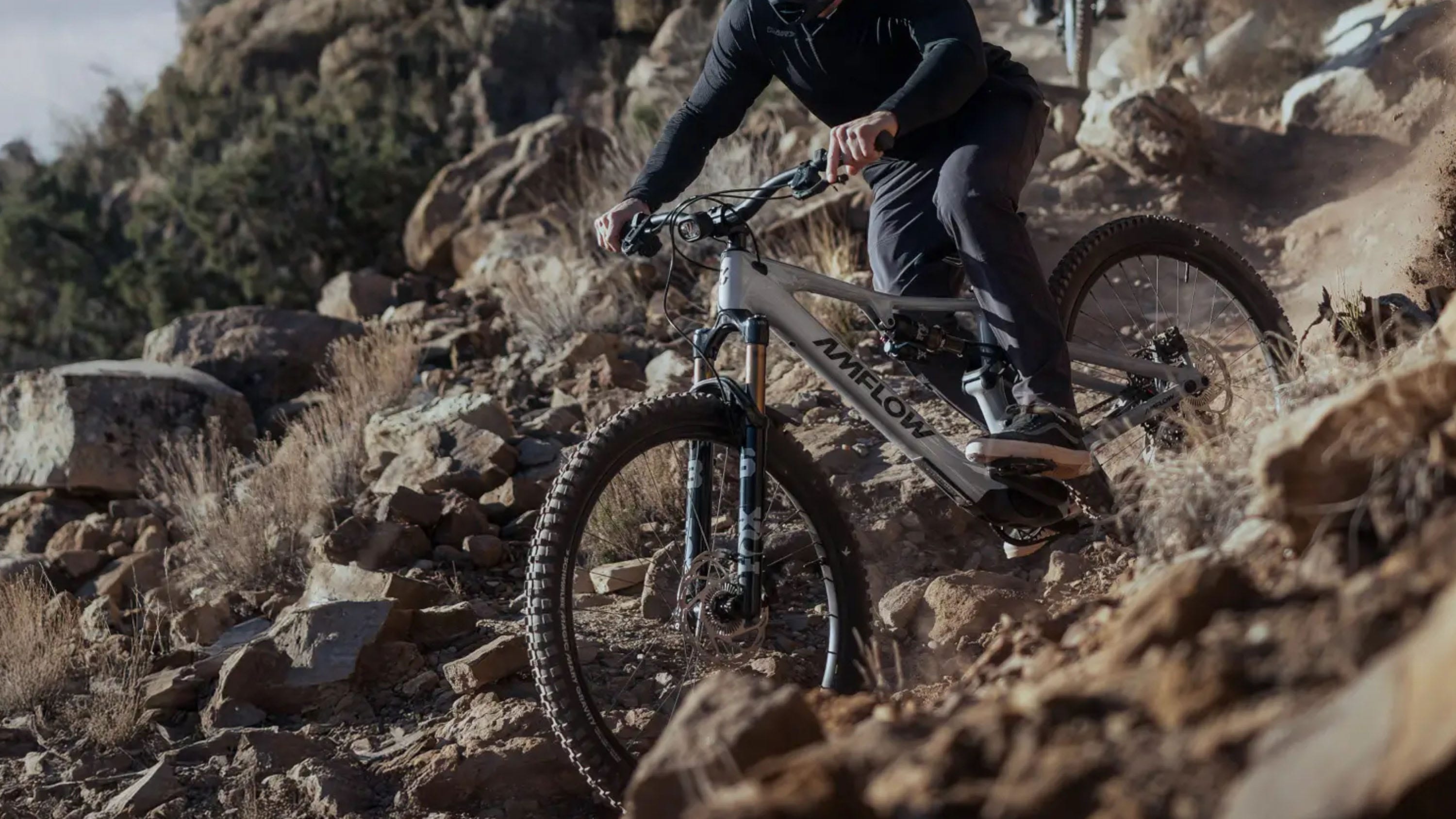
Moreover, DJI simultaneously launched its own mountain bike brand called Amflow. Amflow essentially acted as an in-house showcase for Avinox, featuring fairly average suspension design and frame construction, but incredibly aggressive retail prices that provided potential buyers with a super value-conscious entry into the Avinox ecosystem.
Not even two years after that initial launch, Avinox has upped the ante even further.
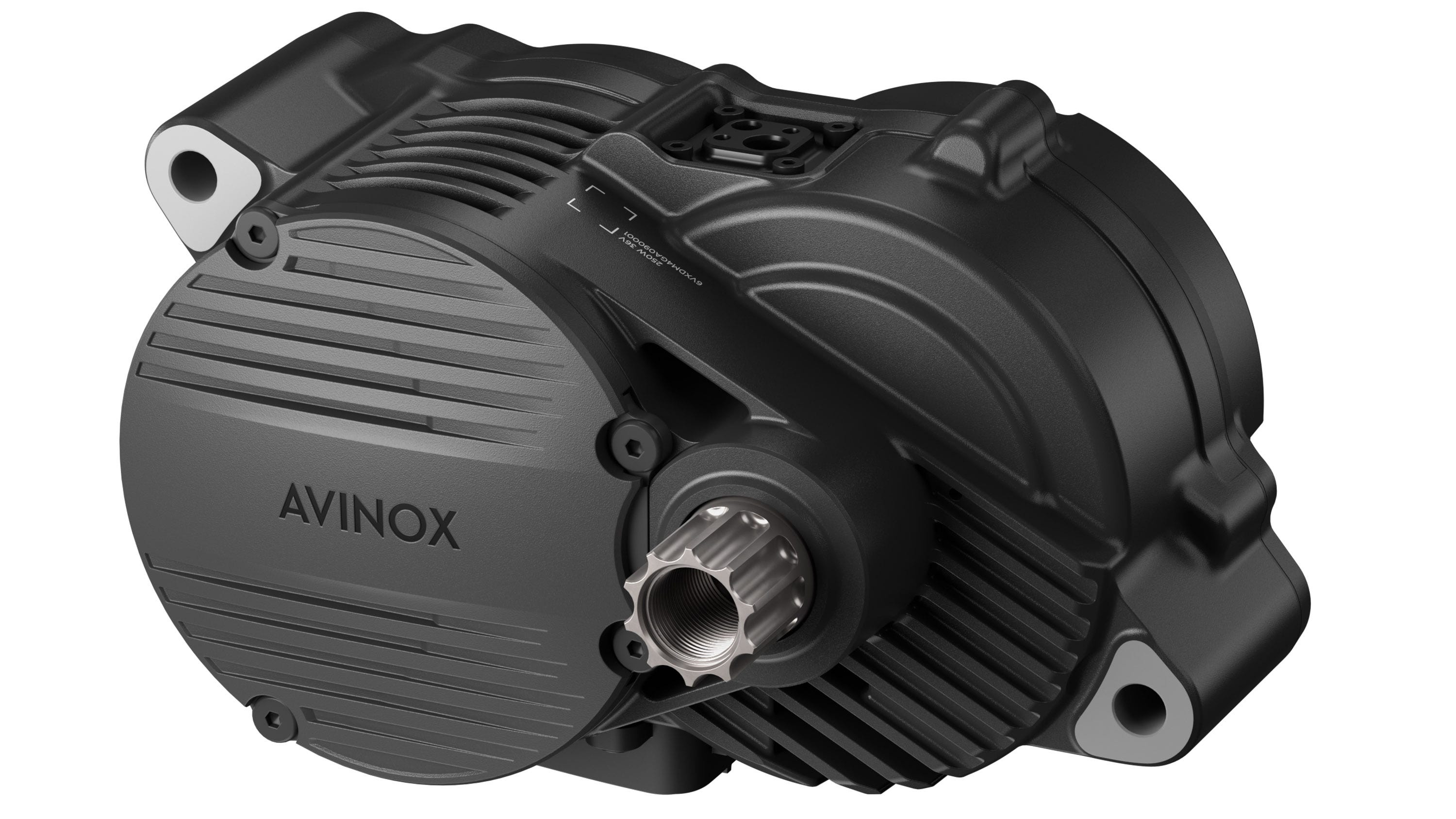
While the M1 was already impressive with 120 Nm of peak torque and an even 1,000 W of maximum power, its new M2S has jumped to a massive 150 Nm and 1,500 W while also incorporating additional refinements like quieter operation and decreased internal friction. And for the more cost-conscious, the new M2 motor features similar physical improvements, but (relatively) more modest maximum outputs of 125 Nm of torque and 1,100 W of power.
Avinox’s motor system is also reportedly about 30% cheaper to buy from an OE perspective so it’s no surprise the brand has quickly gobbled up a big portion of the full-power eMTB market. And it’s not just riders that are fueling the interest, either; bike brands are excited about Avinox internally, too.
“The power is ridiculous and the traction control algorithm is amazing,” the head of one prominent brand told me. “There are several super steep and loose hills that I cannot climb on Bosch-equipped bikes because the tire just spins out. It does not do that on the Avinox motor. Other than controlling the insanity of what’s going on with the front end of the bike and how fast you’re going up technical uphills, spinning out the rear wheel is generally not the problem.”
Impressive performance notwithstanding, it’s doesn’t take long to wonder if Avinox’s rise hasn’t come at the expense of others. After all, for as much as the bike industry has stressed the need over the years to “grow the pie” by bringing new riders into the sport, the reality is it’s still essentially a zero-sum game, which means Avinox’s meteoric rise invariably comes with some collateral damage.
Fazua announced just a couple of weeks ago that it was “discontinuing operations,” and while the German brand’s official statement made no specific mention as to why, reports from industry insiders suggested this was almost certainly due to faltering OE sales as brand partners rapidly shifted spec to Avinox drive systems – often canceling Fazua orders at the last minute.
Likewise, Specialized recently announced a remarkable – and supposedly permanent – pricing revision for its immensely popular Levo range of eMTBs, dropping retail prices by more than 20% on average.
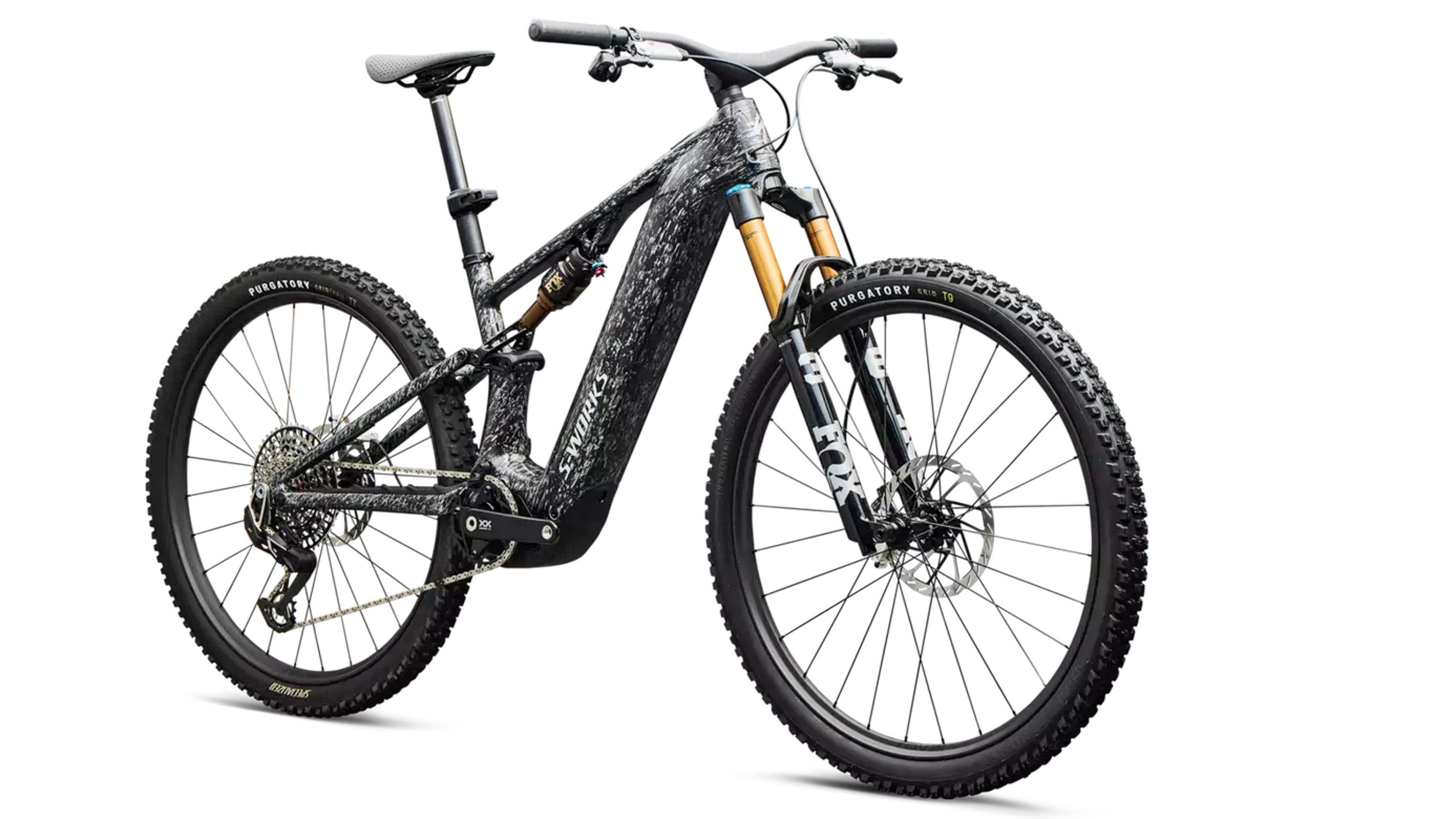
“Two things came together: operational improvements on the Levo platform reduced cost structures specific to this product line, and the competitive moment in eMTB made now the right time to act,” read Specialized’s official communication to its dealer base. “The result is a permanent pricing reset that brings more riders into the category and into your store, while supporting sustainable margins and stronger sell‑through.”
Specialized obviously didn’t call out any of those competitors by name, of course, but it doesn’t take a whole lot of reading between the lines to see who might be on that list.
Bosch – the early pioneer in the eMTB category and still one of the industry heavyweights – also recently announced some key firmware updates that increase the performance of its flagship drive units. The company previously made clear its stance that there should be reasonable upper limits to motor outputs so as to not jeopardize the legality and safety of eMTBs (not to mention ever-tenuous trail access). Indeed, the updates keep peak power of its motors to 750 W, but maximum torque has nevertheless grown to 120 Nm. That may still be well shy of Avinox’s M2S, but that boost is surely intended as a way to help Bosch at least stay in the conversation for buyers looking at a full-power eMTB.
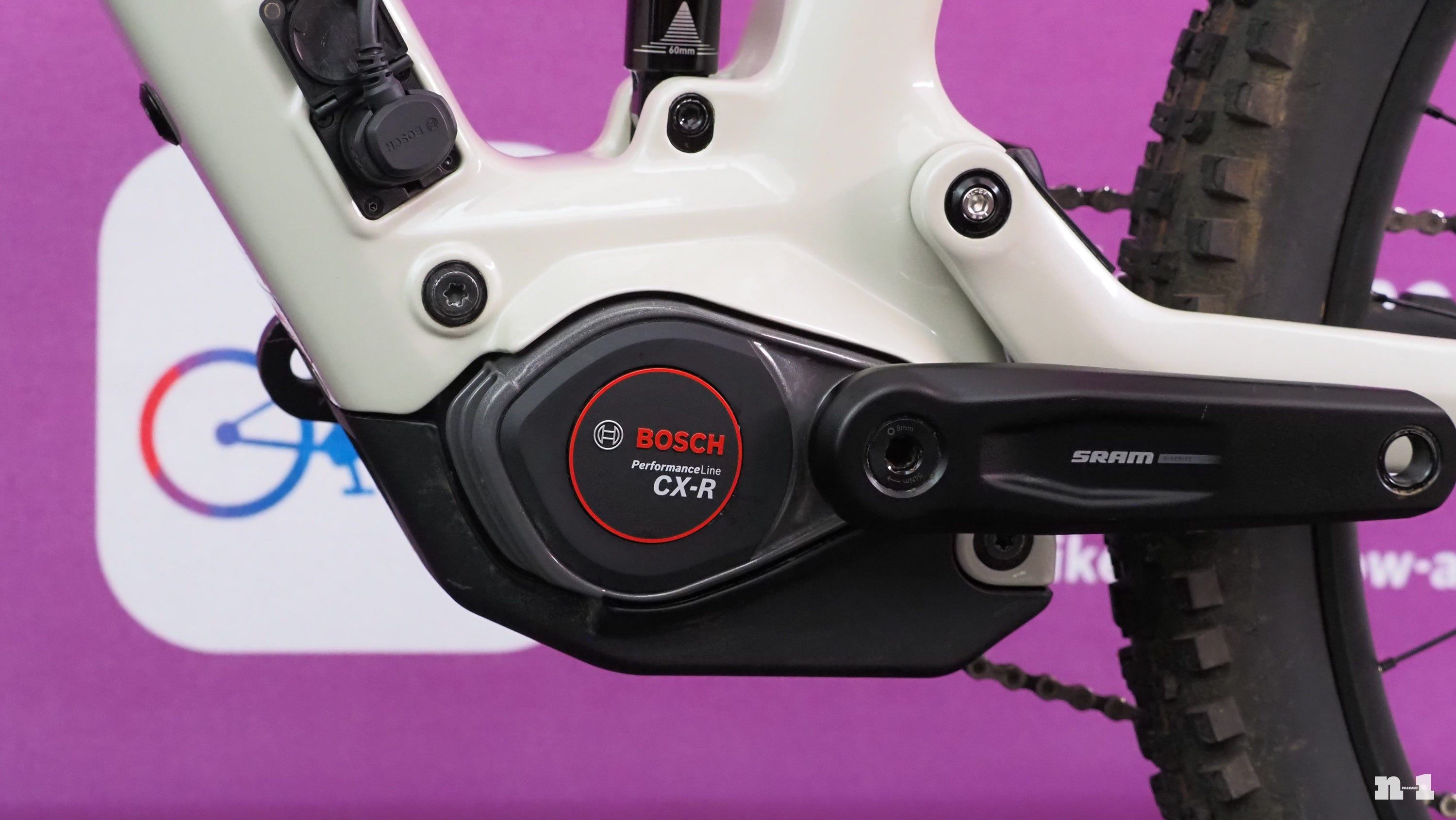
Let’s not forget about other brands like TQ, Shimano, SRAM, Mahle, and Yamaha, either.
TQ has stuck to the lightweight and lower-powered realm so far, and while its flagship TQ-HPR60 drive unit is indeed very light at sub-2 kg, it’s also limited to a modest 60 Nm of peak torque and 350 W of peak power, which correspondingly leaves it lagging far behind Avinox in terms of power density. Rumor has it that TQ is set to debut its first full-power model, and while that probably can’t come soon enough, it’d better be awfully impressive.
As for Shimano and SRAM, both offer full integration with each brand’s drivetrain components that allow for advanced features such as automatic shifting (and I’d imagine there are some financial incentives for an OE product manager to buy into complete systems). But at least for now, neither company’s eMTB drive motors tops 90 Nm of torque or 700 W of power – and Avinox’s system is more tunable, too.
Mahle? Though the brand’s lighter-weight units had been reasonably well accepted, its full-power M40 eMTB mid-drive system that debuted last year is arguably a case of too little, too late. Avinox had already launched a year prior, so although the M40 was technically brand new, it was already off the back with its 105 Nm and 850 W specs.
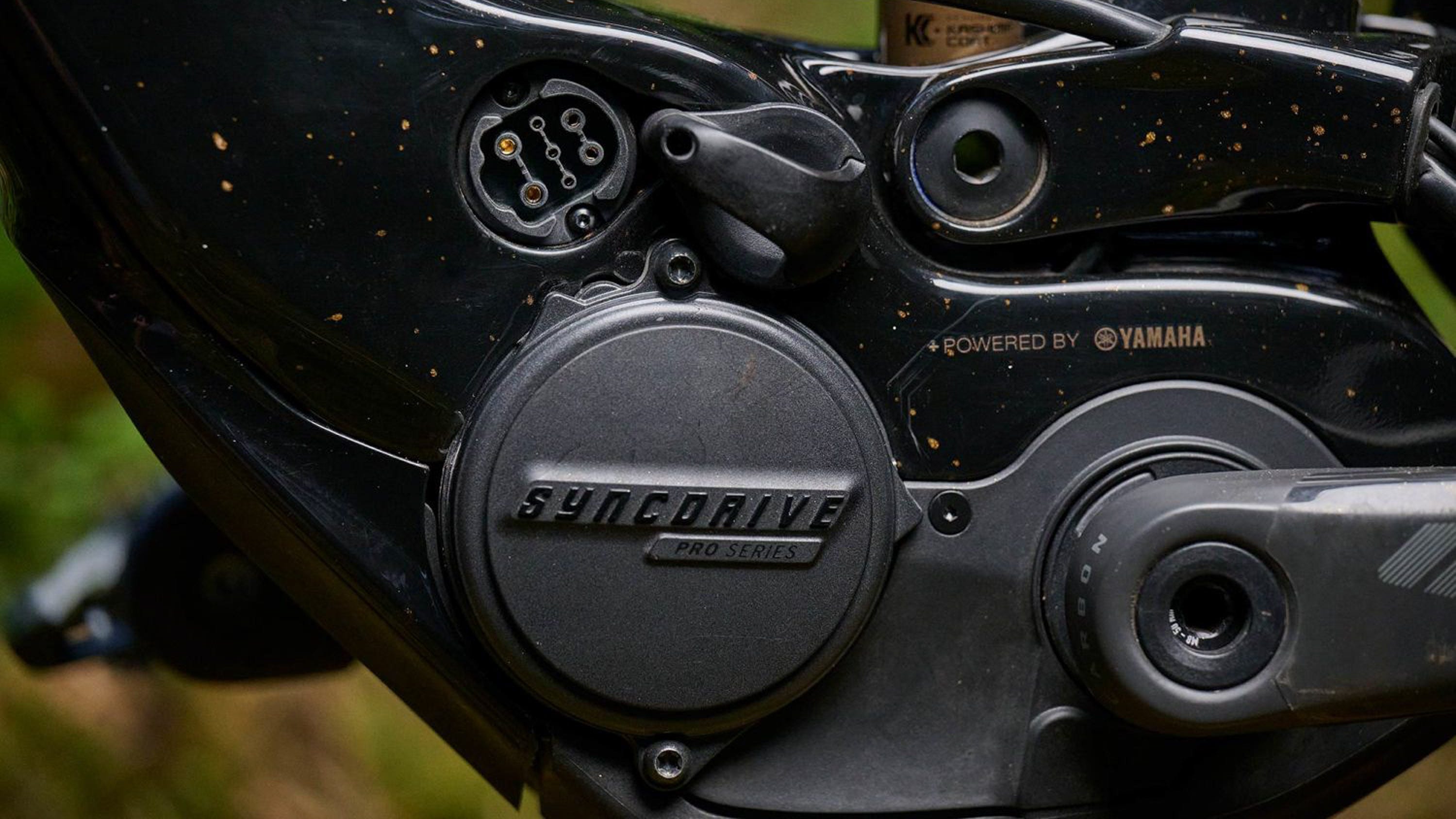
And Yamaha? Again: too much weight, too big, too little torque, too little power. I’d imagine Yamaha’s C-suite is wringing its hands given it bought competing brand Brose just last year, and Giant is surely reconsidering the virtually exclusive partnership arrangement it’s had with the Japanese company for the last several years.
Long story short, it’s been no surprise at all that Avinox has managed to so convincingly muscle its way into the room. Power is addictive, Avinox is offering more of it than anyone else, and companies want to sell bikes that they know people are asking for. Whether those sky-high power figures actually make for meaningful gains on the trail in real-world conditions is immaterial; more is more.
As such, Avinox is now not only the most desirable eMTB drive system brand, but Amflow sales have apparently been so brisk that DJI is now rumored to be one of Fox’s biggest OE customers for suspension components.
“We’re not allowed to talk about specific sales data in too much detail, but I can say generally speaking, Amflow has sort of come out of nowhere and grown to be a valued partner for us in a relatively short period of time,” Fox senior product marketing manager Sean Estes told me.
Even so, it’s not like Avinox has taken over completely – not even close, in fact. And there may be good reasons why some brands are hesitating.
If you survey the current options, it turns out there are more than a few notable brands that haven’t hopped on the Avinox train just yet.
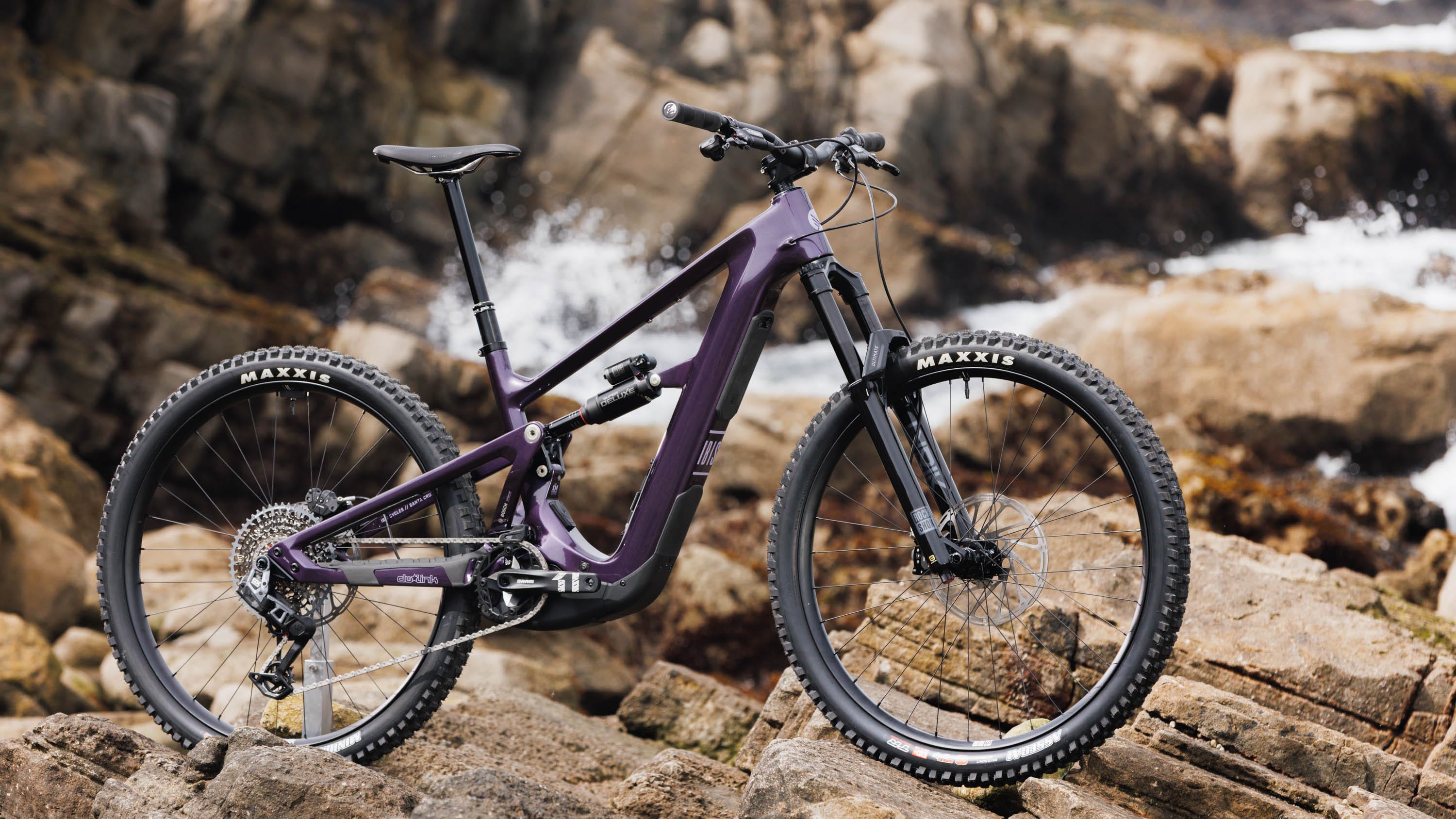
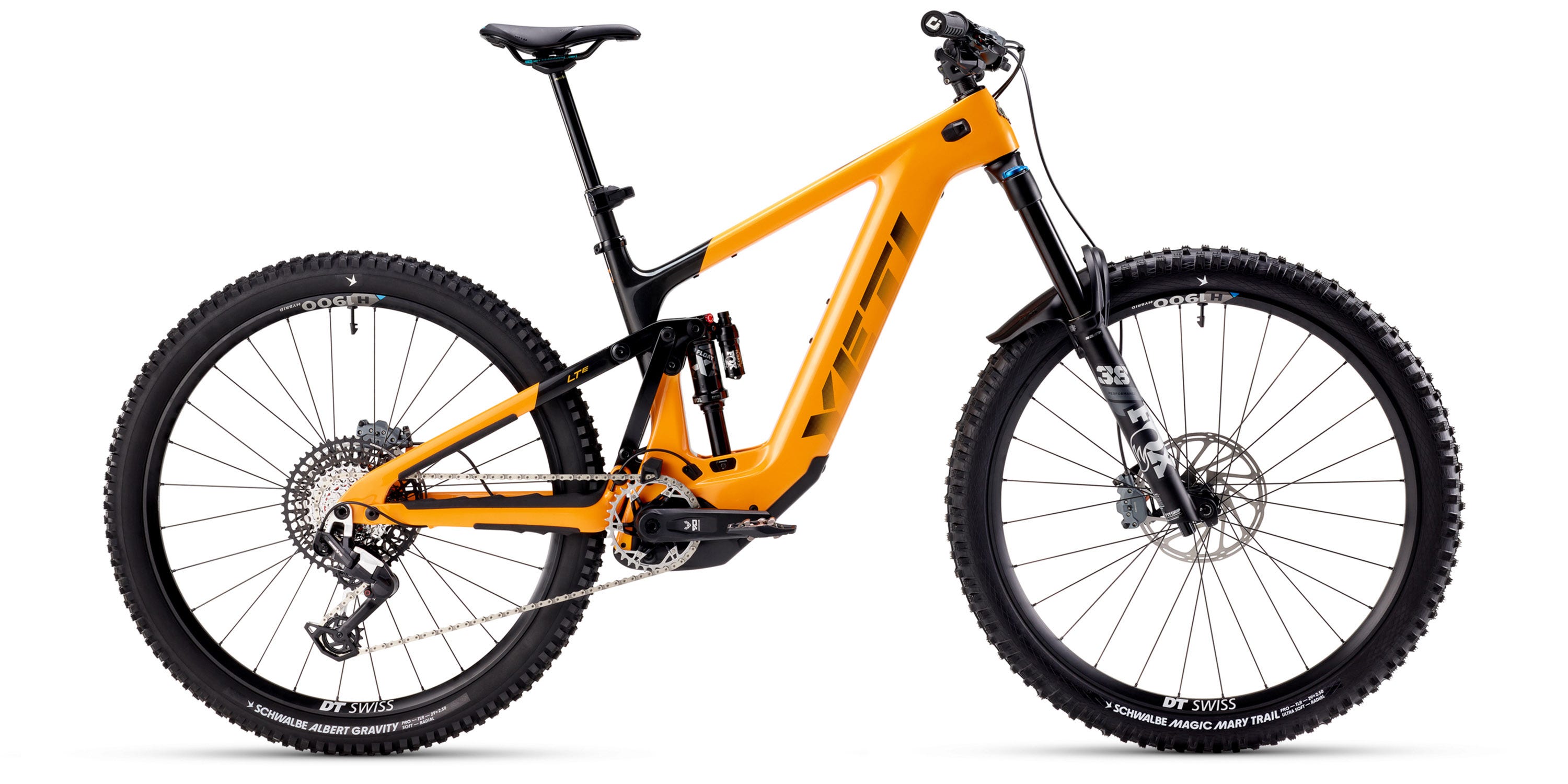
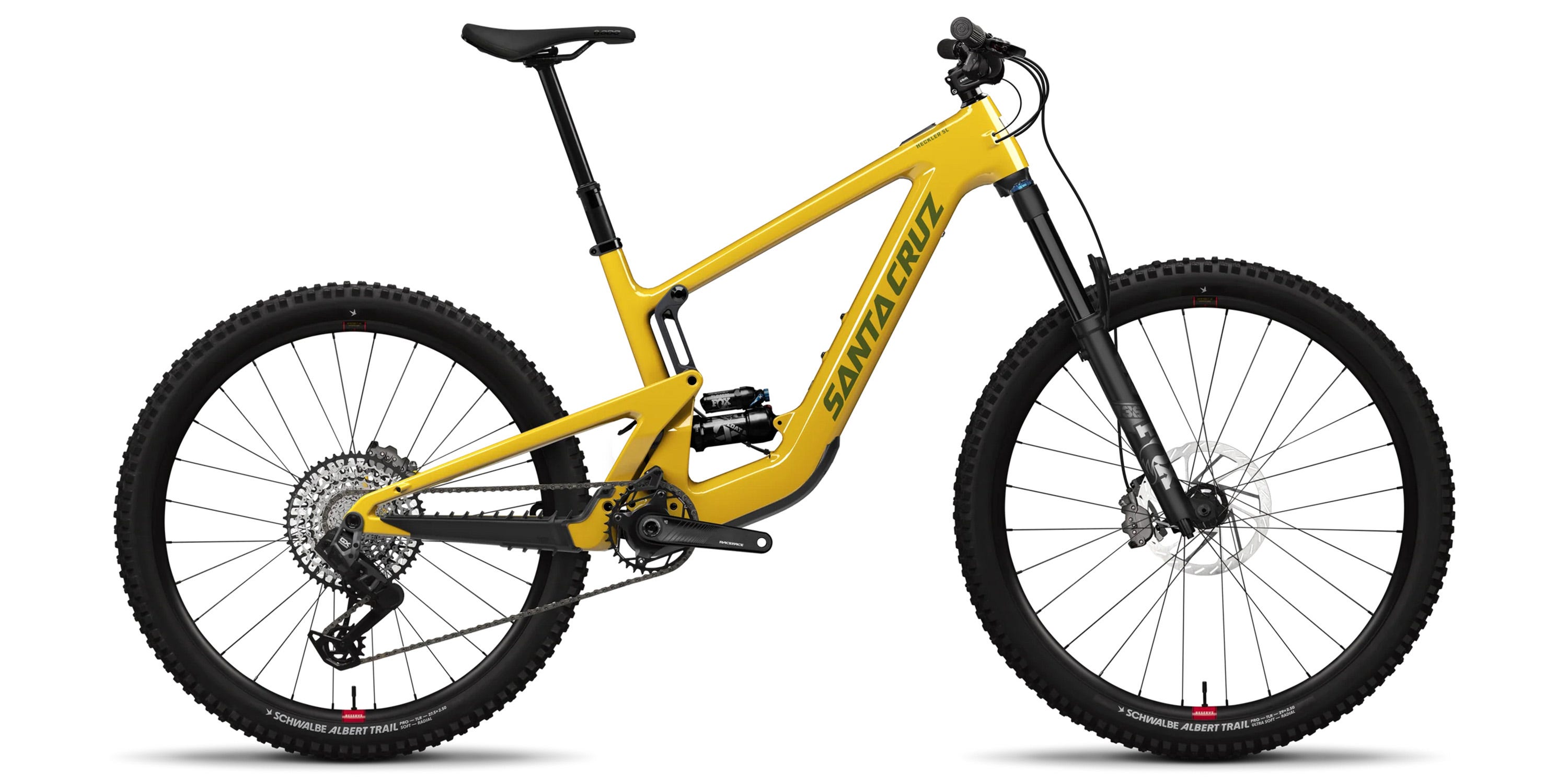
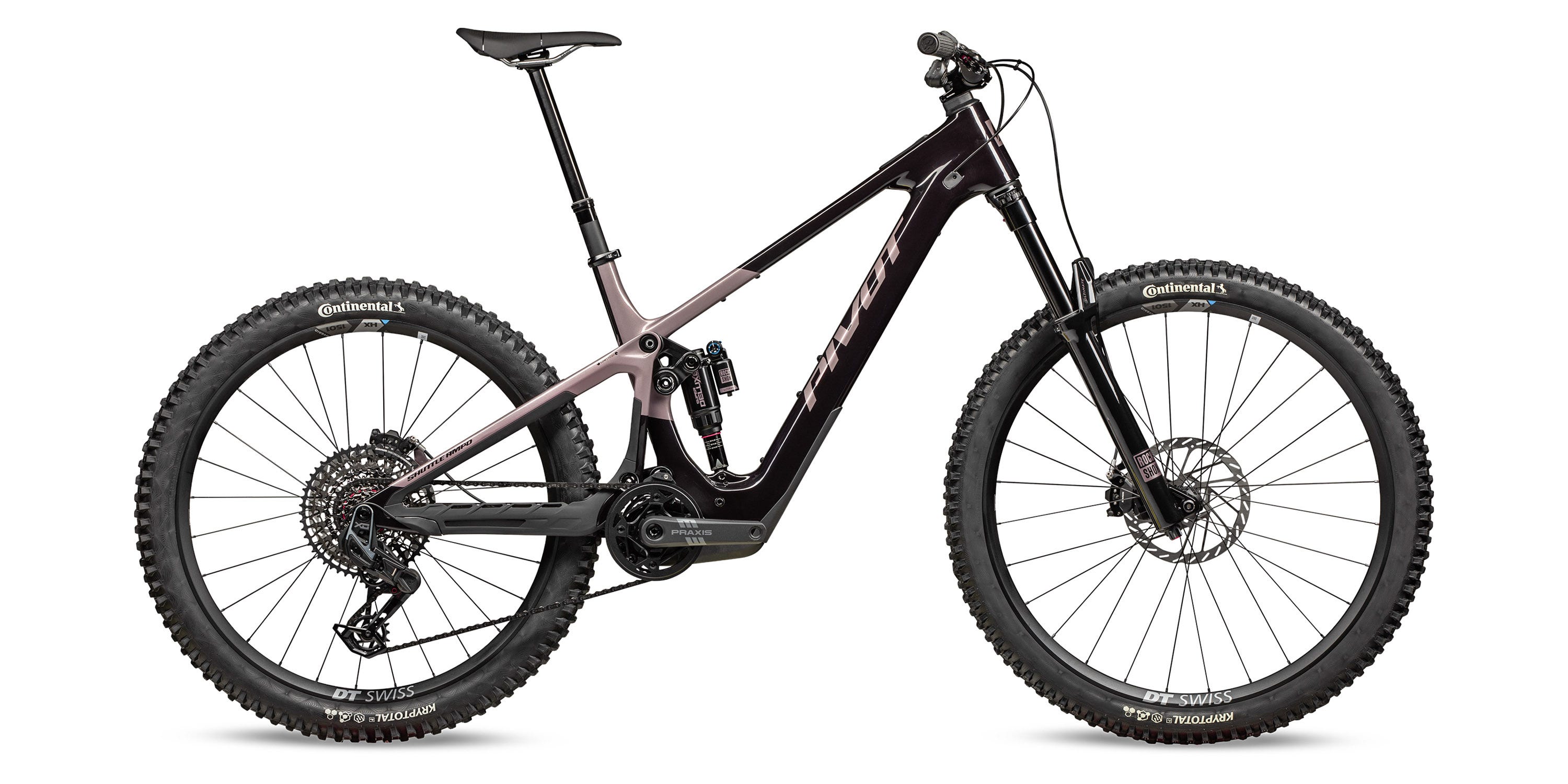
Yeti has two eMTBs in its range: the full-power LTe with a Bosch CX (or CX-R) drive system, and the mid-power MTe built around a TQ-HPR60 setup. Santa Cruz has six electrified models in total: four with Bosch, two with Fazua. Ibis rolled out a trio of Oso eMTBs just last month, all with – you guessed it – Bosch motors. And then there’s small-but-scrappy Evil Bicycles, whose lone eMTB continues to soldier on with a Shimano system.
Do these brands know something the rest of us don’t? Maybe – or perhaps there’s just more going on behind the scenes that we’re not privy to. Understandably, most of the brands I reached out to didn’t exactly want to lay all of their cards on the table.
Santa Cruz is obviously now caught up in the Fazua shuttering, and declined to comment beyond “We’re always evaluating new technology and OE partners.”
Ibis co-founder Scot Nicol was decidedly non-committal: “Both are great systems and we think both will have long-term viability in the market. We initially chose Bosch due to their quality, long-term support of legacy systems, brand reputation, and familiarity. Beyond the power and torque, Avinox has great software and app integration. We see it as a win-win for the consumer.”
Yeti, unfortunately, wasn’t able to get back to me before this article went live. But Evil CEO Jason Moeschler? Let’s just say we had a much longer (and very interesting) conversation.
All the eggs
Evil may not be one of the industry giants in terms of sales volumes, but it’s nevertheless been one of the most important and influential brands in the mountain bike space with consistently innovative products and a fervently loyal fan base. It launched the Epocalypse eMTB in 2022 with its trademark DELTA rear suspension design, the company’s signature aesthetic, and a Shimano drive system. Four years on, it would seem that the Epocalypse would be due for an overhaul. Given the timing, surely this would seem like a perfect opportunity to switch to Avinox, no?
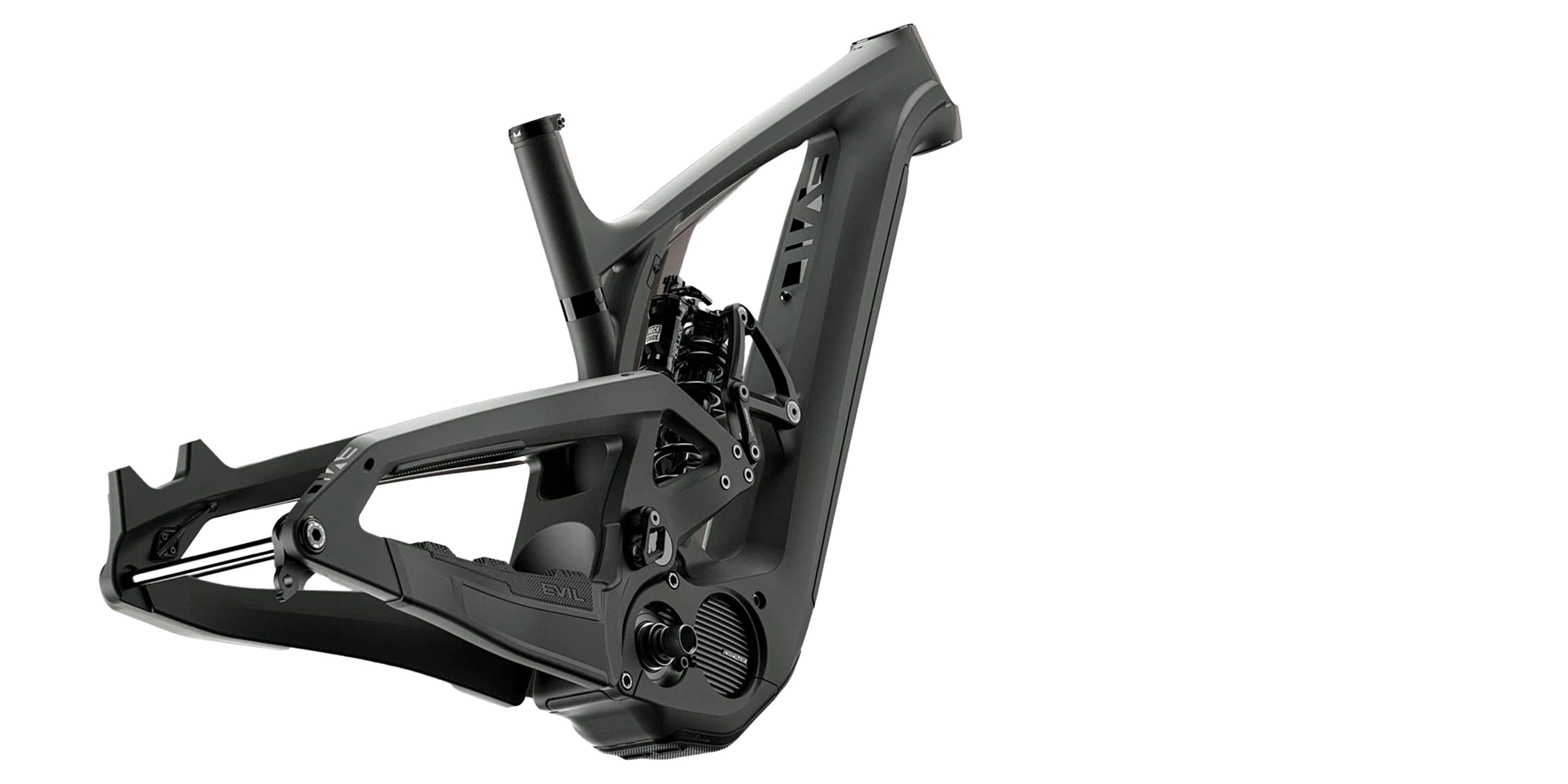
Moeschler said Avinox has certainly been a big topic of discussion, and for obvious reasons. But yet despite Avinox having a big power and torque advantage over Shimano’s aging EP801 unit, Moeschler is quick to remind people that numbers aren’t everything.
“We’re aware Evil’s taken a much more cautious approach,” he told me. “Yes, Shimano is not the most popular high-end drive unit and battery maker, but the Shimano system is so freaking reliable. We all know that they’re going to be there in ten years. They’re just this behemoth that has a presence everywhere in the bike industry. And yeah, maybe it’s the ’92 Honda Accord of drive units and battery systems, but you know that it’s going to start when you walk out into the garage in the morning.”
Moeschler is a pretty big fan of Shimano’s auto-shifting functionality, too.
“[Auto Shift] is the most wild, most awesome thing there is. I still use my regular shifter riding up a climb, but I turn on Auto Shift when I get to the top of a downhill. Just imagine dropping your saddle and you’re only worried about the brakes at this point. When you slow down, you hear the bike shifting and it’s getting into an easier gear so that when you round that tight corner and you jump on the gas, you are on the right gear and then the gear shifts with you as you’re accelerating out of that corner. It is phenomenal how cool it is. But [Avinox’s] traction control is a much more sellable and relatable thing for customers.”
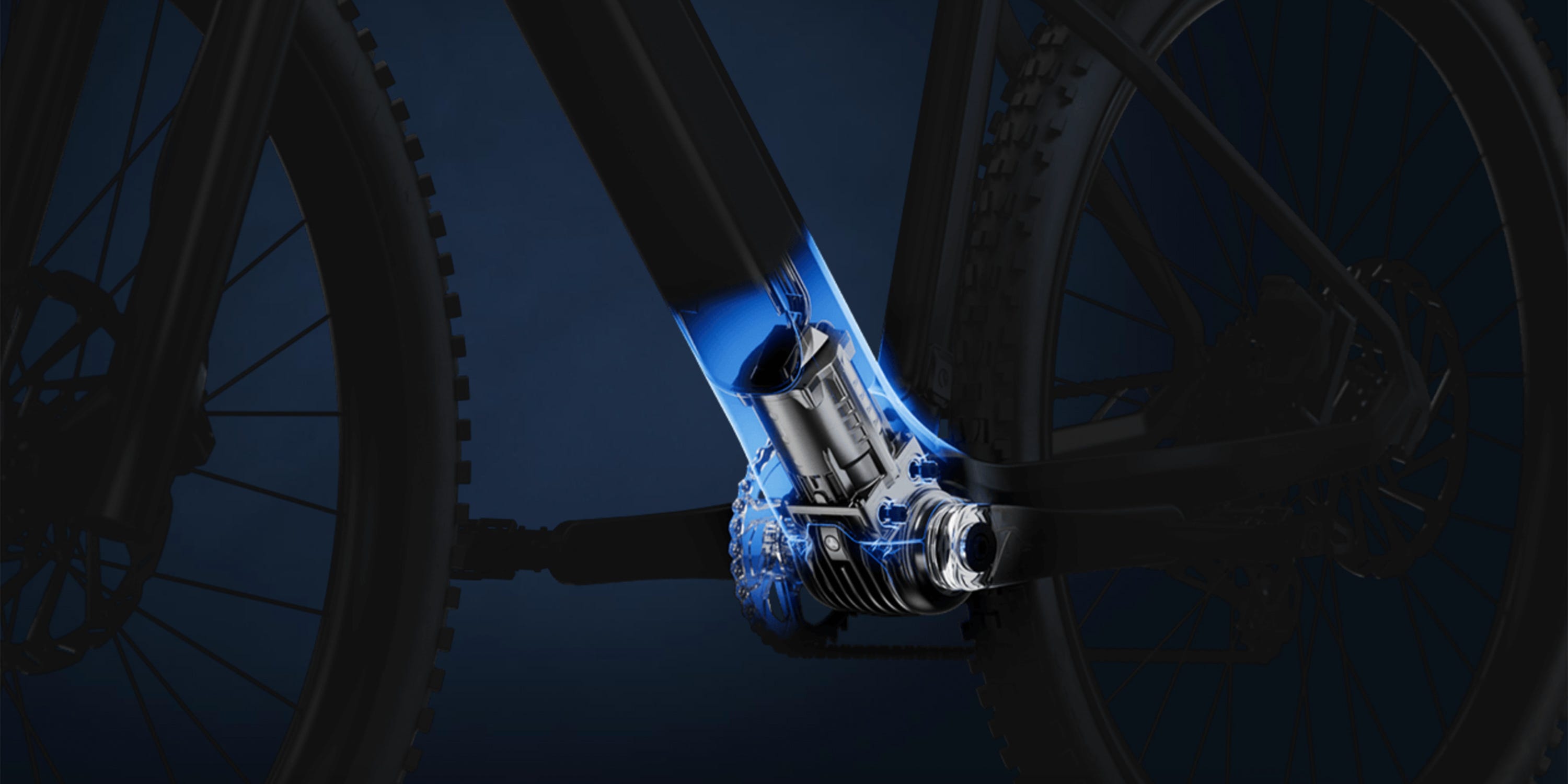
Moeschler also points out that there are inherent risks from a bike brand’s point of view when it comes to hitching your wagon to any particular drive system, especially a new one like Avinox. Every drive system uses its own proprietary frame interface, and so going with any one supplier requires a full commitment. For carbon bikes, that includes cutting dedicated molds for every size of every applicable model, which can cost hundreds of thousands of dollars.
“We look at every newcomer with caution, especially in the e-bike space,” Moeschler said. “If I had a dollar for every time I’ve been hustled to make a Fazua bike, I could retire – and look what happened! It’s a very scary space to enter. I feel bad for any bike brand that did take the leap. All of a sudden those bikes are automatically devalued for the customer and who knows what kind of support they’re going to be able to get. And if the brands have remaining [Fazua-equipped] inventory, they’re going to eat that inventory hard. It’s going to be rough. So it is a huge, huge risk.”
In other words, Avinox is unquestionably the cool kid right now, but how long will that last? Granted, a company the size of DJI likely isn’t going anywhere any time soon, but only time will tell if Avinox has real staying power or if the competition might actually be able to close the gap. The bicycle market is notoriously fickle (anyone else remember 27.5+ bikes?), and if anything is for certain, it’s that nothing stays the same for long in this business.
Flying too close to the sun
Almost immediately after Avinox-equipped bikes arrived on the scene, folks began asking the same question: How much power is too much? For sure, buyers are tempted by those big output numbers, but as always when it comes to bicycle performance, not everything exists on a linear scale. In other words, more of a good thing isn’t always better, and the fact Avinox had to incorporate traction control into its systems at all suggests we might have arrived (or already surpassed) that tipping point.
Moeschler can’t help but wonder if the eMTB industry is dealing with a ticking time bomb of sorts – not in terms of reliability, but rather potential government regulations.
Though there is some ambiguity in various regional guidelines and how e-bike motor outputs are rated (particularly in terms of peak vs. continuous output), the general consensus is that Avinox’s motors are legal to use and sell.
However, that was also the case with three-wheeled ATVs, which exploded in popularity across the United States in the 1980s. Companies touted them as being easier to ride than motorcycles, as well as more versatile in a wider range of weather conditions. But they ultimately proved to be incredibly dangerous given their inherent instability and tendency to roll over when cornering. Toward the end of that decade, there were more than 1,000 deaths and over 300,000 injuries that were somehow attributed to three-wheeled ATVs.
The US Consumer Product Safety Commission intervened in late 1987, reaching an agreement with major ATV manufacturers to immediately stop selling them, buy back unsold inventory, and switch to four-wheeled ATVs moving forward. Moreover, the industry was required to fund training programs and a public awareness campaign that discouraged people from using the very products they were actively promoting just a few months and years prior. This so-called “consent decree” was only in effect for ten years, so Congress stepped in with an official ban in 2008, though it was really a moot issue at that point since three-wheelers had already fallen well out of favor with the public.
The total initial cost to manufacturers was estimated to be over US$8m – about US$23.5 million adjusted for inflation. However, the ATV industry argued that the grand total over the decree’s ten-year term would be closer to US$100m – or almost US$300m in today’s dollars. Keep in mind that these figures completely ignore any legal settlements related to three-wheeled ATVs, which would inflate those sums multiple times over.
Moeschler is worried the bike industry could be heading toward a similar fate.
Keep reading with a 7-day free trial
Subscribe to n-1 to keep reading this post and get 7 days of free access to the full post archives.