

Magic Tricks: Top tips and advice from the world’s best pro bike mechanics, part 2
Disc-brake pointers from Tommy Barse of Cutlass Velo.

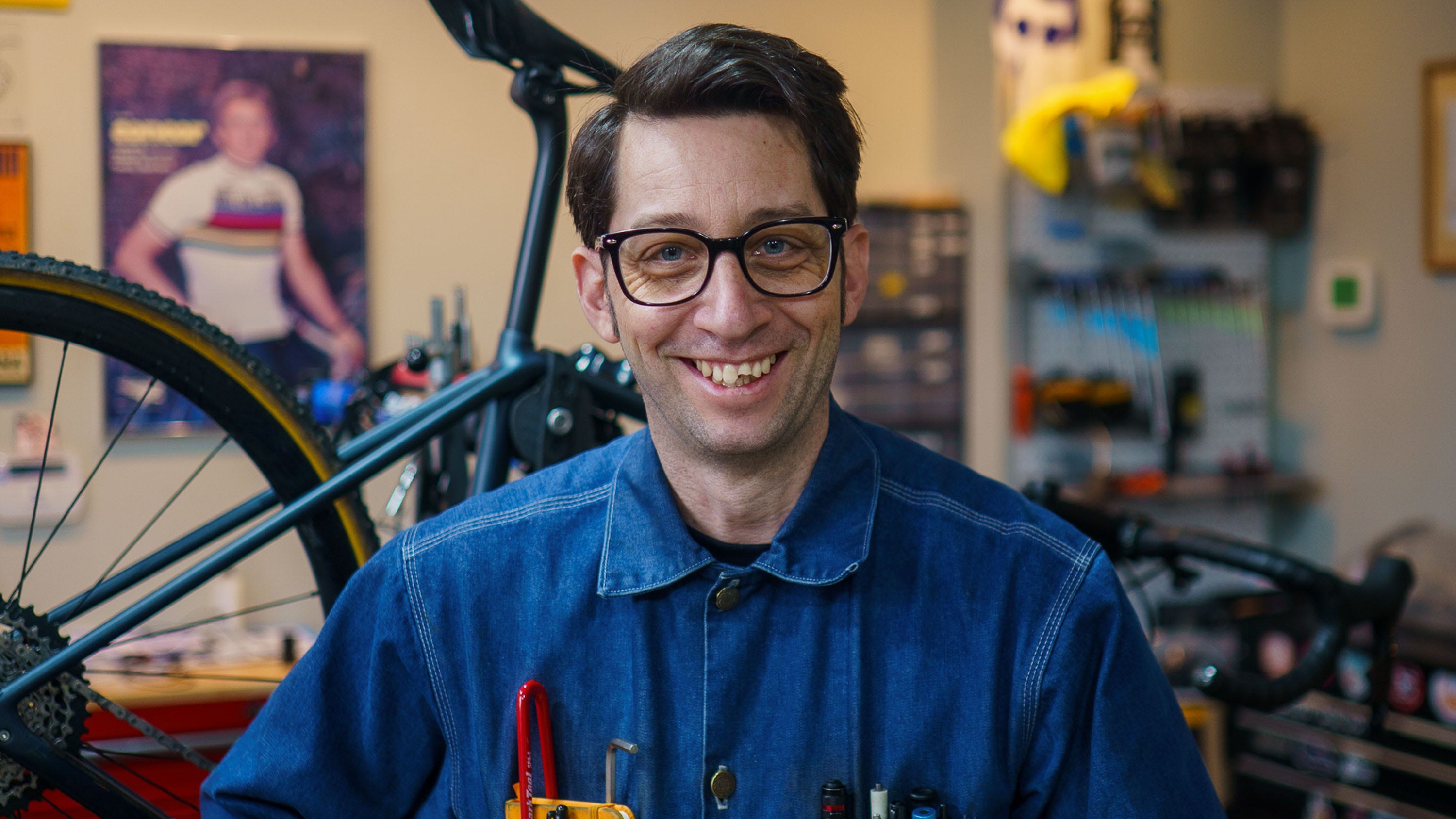
Welcome to the second installment of Magic Tricks! As I suspected, the first edition with Wayne Smith proved awfully popular, so as promised, I’m following up with the accumulated wisdom of another highly respected professional mechanic, Tommy Barse of Cutlass Velo in Baltimore, Maryland.
While working as a bike messenger, a fellow messenger opened Barse’s eyes to what was possible when he convinced him to get a set of custom-built wheels. Whereas machine-built wheels at the time rarely held up in that environment, Barse was struck by how well his new custom ones stayed true despite all the abuse, and how much better they performed in general.
The story of his progression both as a cyclist and as a mechanic is a familiar one: as he got more into cycling, he started riding nicer gear – and as he quickly discovered, buying that nicer gear left little money to pay someone else to service and repair it all. Barse says he’s always had an innate curiosity to understand mechanical systems, tinker, fix, and improve, so he gradually started learning how to work on stuff himself. That led to a string of a bike shop jobs where he apprenticed under more seasoned mechanics, including stints building wheels for renowned custom frame builder Chris Bishop.
Barse unfortunately had to give up working as a bike messenger after getting hit by a driver while on the job, putting him in the ICU and unable to work for six months. However, that incident is also what prompted him to eventually open up his own shop, which he somewhat darkly named after the ordeal.
“I was helping Chris and I was assembling his bikes and building wheels and all that stuff. And then I got run over in 2012. That’s how I got my business name; I was run over by a ’94 Oldsmobile Cutlass. It was like my way of taking ownership over a really traumatic experience.”
Unlike Smith, Barse isn’t a race mechanic. He hasn’t traveled the world following the professional race circuit, he doesn’t have an extensive history working directly with various brands, and he doesn’t spend hours fine-tuning every last detail of his travel box. But what he does have is a rather unique perspective on what it means to be a good shop mechanic – and how best to serve his clients – and more importantly in this context, he’s more than happy to share his knowledge with others so that they can advance their skills as well.
Assess the situation
It’s not at all uncommon for shops and mechanics to provide some sort of initial inspection when someone brings a bike in for potential repair. After all, how are you to provide a repair estimate if you don’t first figure out what needs to be done, right?
But the way Barse likes to do things is decidedly different.
His “Mechanical Evaluation” process is nothing short of a comprehensive head-to-toe, inside-and-out detailed physical inspection of just about everything on a bike – and it’s one that he encourages clients to attend in-person so they can not only get an on-the-spot explanation as he goes, but also see firsthand what’s involved. Barse feels that this not only provides a much more complete snapshot of a bike’s condition than the cursory look-overs that are far more typical in a shop setting, but that it’s also the best way to determine a proper course of action so he’s not unnecessarily jumping into rabbit holes and/or wasting a client’s money.
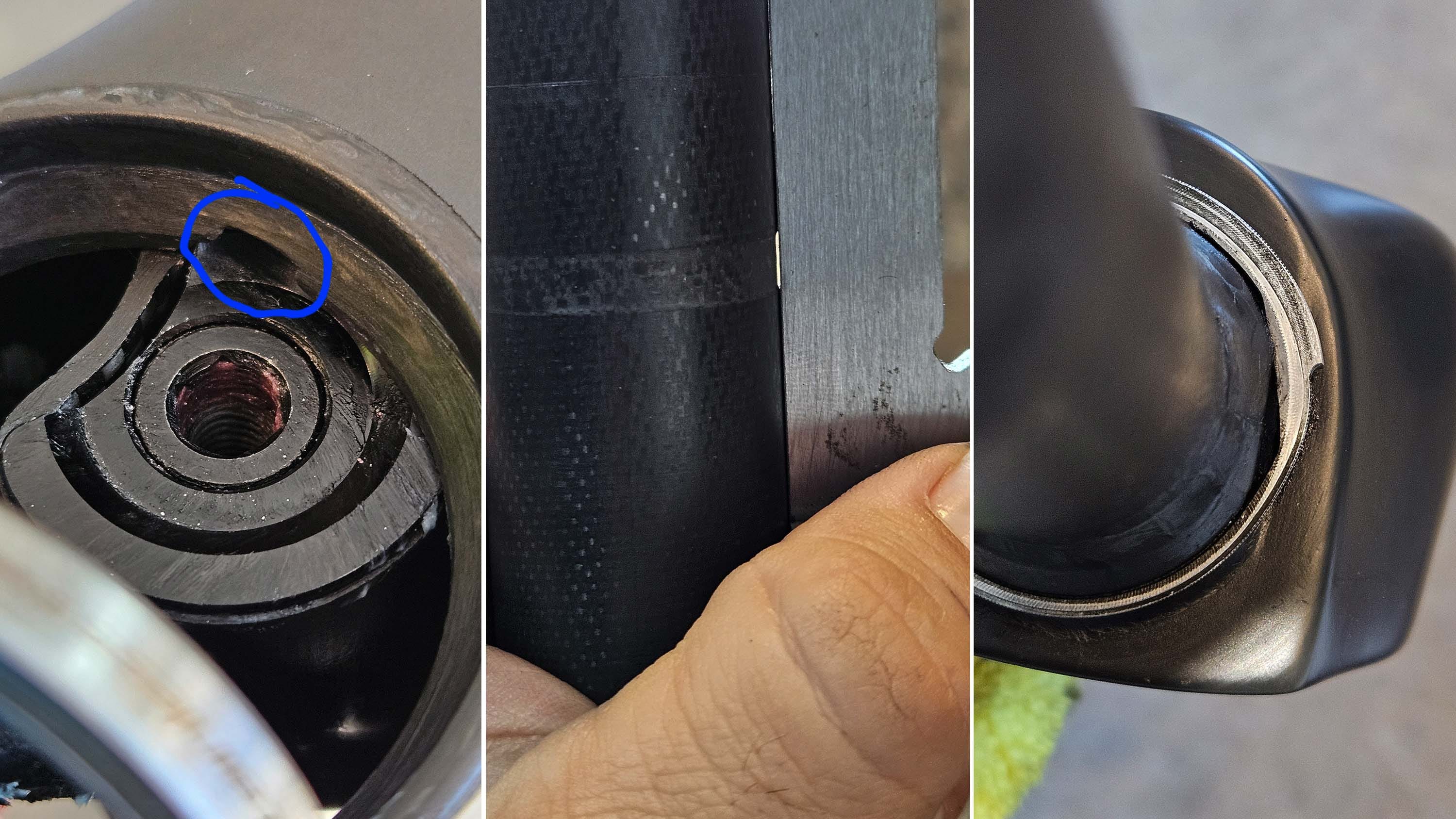
“Are all the parts correct? Has the frame been prepped? Do the thru-axles thread in easily? This woman bought a brand new R5 Dura-Ace, you know, a US$13,000 bike. She brought it to me for a mechanical evaluation, I dropped the fork, there’s a chunk of carbon missing from the upper bearing seat, and the preload cap for the headset bearing had some really unusual wear on like the backside. And I’m like, there’s either an alignment issue here or something’s happening. You need to take this back to the shop and get a warranty on it – and Cervelo warranted it.”
Needless to say, that level of detail takes a lot of time. However, some might balk at the US$275 fee, and Barse doesn’t even apply that amount to additional work if the client decides to move forward with his recommendations. But in his opinion, that level of analysis provides value in and of itself, and he views it almost more as an initial investment in a long-term relationship both with the client and their bike.
“It’s a standalone service where the total is not applied to any additional work. Instead, there are one to two estimates provided for as-needed and complete overhaul. That info can then be used by the customer to either shop around for a better estimate (having all diagnostics being done helps other possible shops knowing what’s needed) or approve whatever work they have been quoted. The option and encouragement for doing it in person is to give really invaluable information on wear items (the how and the why), build a foundation of trust and communication, and provide a level of empowerment and understanding in both their equipment as well as the work that goes into ensuring professional service.”
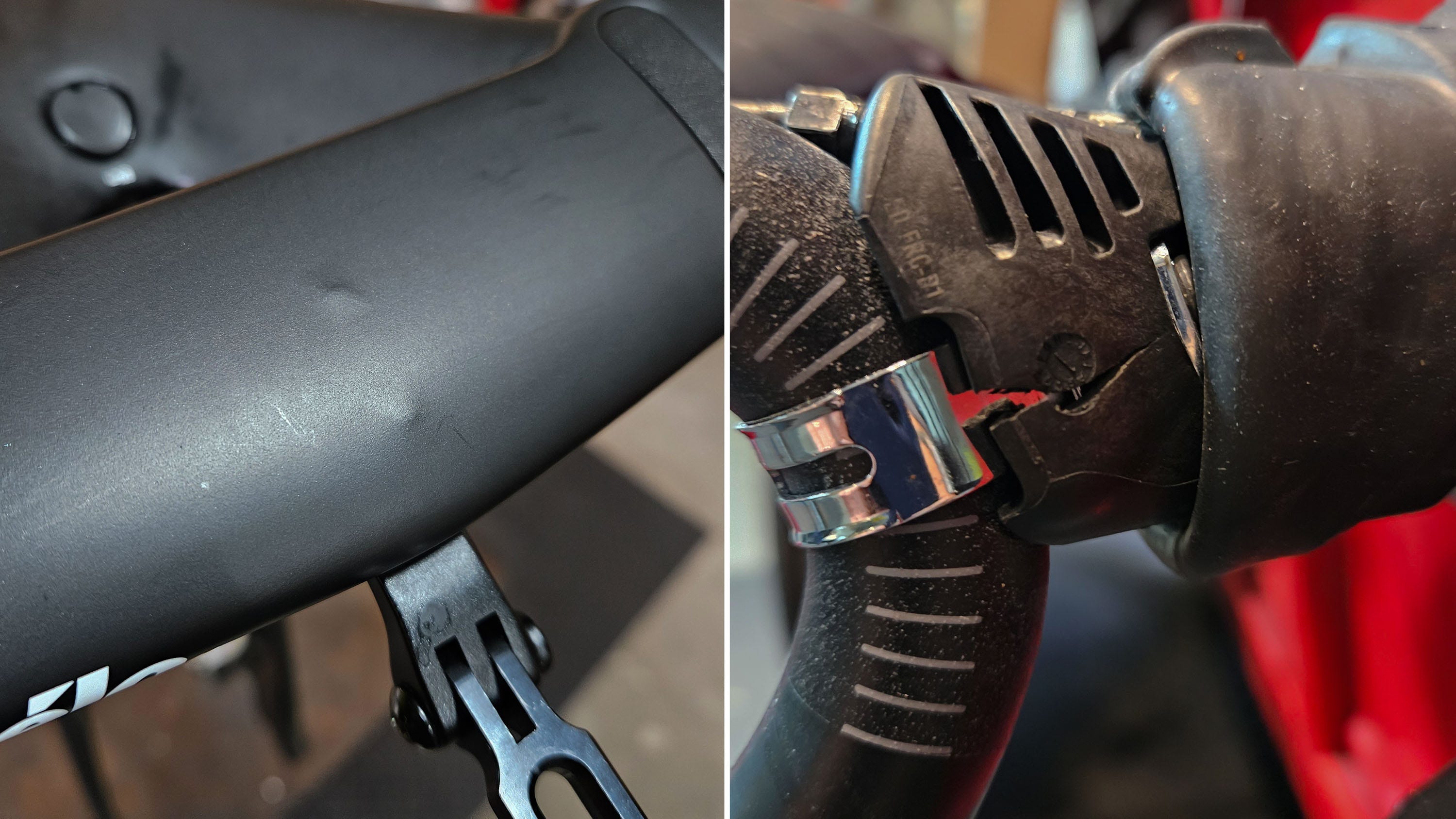
“I know it’s unorthodox; US$275 to examine your bike before actually repairing anything is very unusual. But if you request service calls from a plumber or any other trade, that shit takes time and money. You have to pay them a hundred bucks just to get them to the door.”
Barse has found that approach to be incredibly helpful to his business in terms of heading off unforeseen (and often unrelated) issues, as well as saving time in the long run. However, it’s an idea that home mechanics can employ as well. Many of us simply tackle the immediate problem at hand when working on our own stuff, but investing the energy to periodically do more thorough inspections can also prevent potentially bigger issues down the road.
In other words, don’t just fix problems on your bike. Every now and then, take a really good look at the thing (after a wash, ideally) because there’s a good chance you might find other issues you weren’t even aware of beforehand.
Lay a good foundation
For those of you unfamiliar, “them’s the breaks” is an American colloquialism meant to convey the idea that a crummy situation is what it is, and there’s not much you can do about it. It’s basically a fancier way of throwing your hands up in vain and saying, “oh, well.” But when it comes to bicycle repair and maintenance, Barse most definitely does not subscribe to that philosophy. Instead, his view (and the correct one, in my opinion) is that every mechanical problem has a cause that can not only be sourced and identified, but also fixed.
One area where that viewpoint is especially applicable in his opinion is modern disc brakes. Pulsing? Squealing? Grinding? Squishy or inconsistent lever feel? None of these are merely your fate in life.
“Currently the big area for headaches is brakes. And it’s also one of the most audible and it just drives people nuts.”
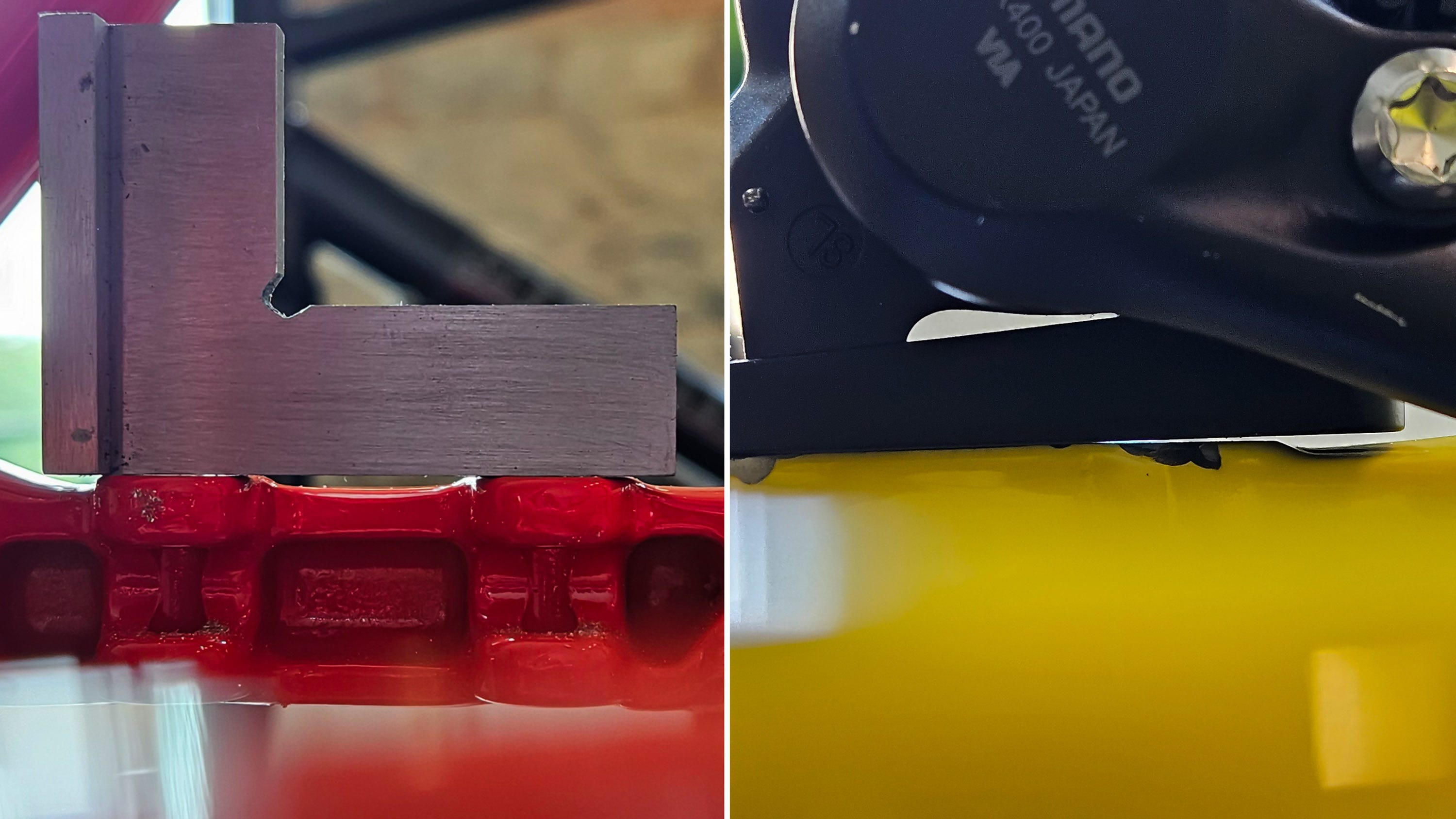
Part of Barse’s mechanical assessment is evaluating how well the brake caliper interfaces on the frame and fork are aligned. That mount forms the basis for everything brake-related that comes afterward, and according to Barse, one of the most common sources for brake issues is poor caliper alignment because the frame and/or fork interface is out of tolerance.
“I face basically every frame and fork that comes through the shop for brake work. You see all the time people complaining like, ‘I cannot get these to stop rubbing’, ‘I spent all this time’ and so on and so forth. But if you just take it back to the foundation, if those tabs aren’t square, then it’s never going to be good. Almost 100% of production bikes benefit from having the tabs faced.”
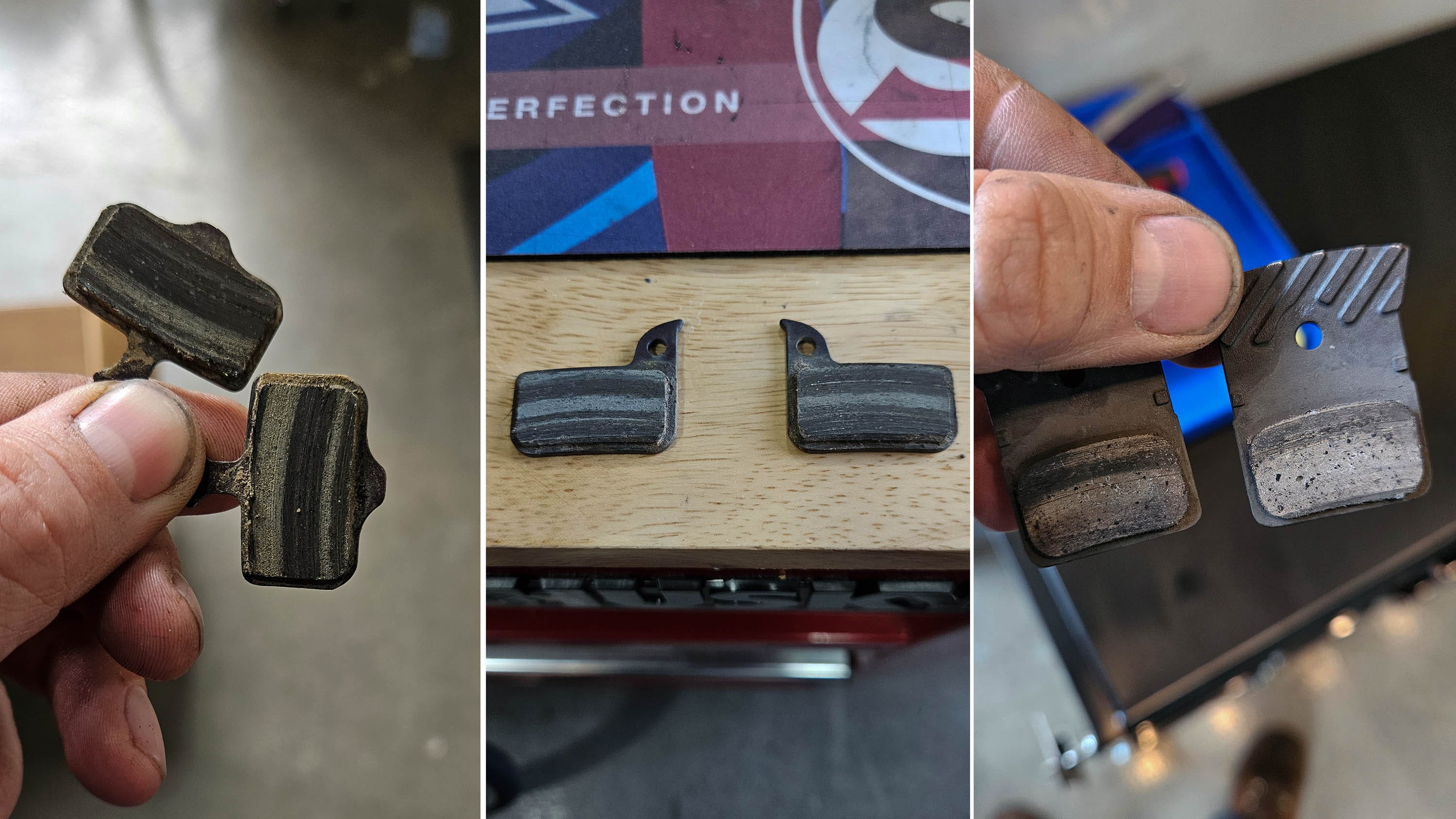
Barse actually does this service so frequently that he owns three sets of cutters for his VAR facing tool. That way, he always has a good set on hand when he needs to send others in for sharpening.
“If manufacturing tolerances continue to decline, brakes will become further complicated so that’s kind of the rabbit hole I’ve been going down. I feel like a lot of the service industry has failed the end user by not performing that service, but also by not really explaining the cost of the tooling and the maintenance of the tool.”
Now, facing caliper mounts obviously isn’t something most mechanics can do on their own without the proper (and very expensive) milling tools, but if you’ve been perpetually frustrated with brakes that just keep rubbing no matter what, this could very well be why, and it might be time to seek more experienced help. You may have to pay someone else to do the heavy lifting, but once that’s done, you should be good to go from then on.
Two wheels on the ground
Sticking to the foundation theme, many home mechanics use some sort of workstand when doing various repair/maintenance jobs, and they don’t think twice about installing wheels when the bike is clamped by the seatpost. However, Barse notes that because the bike isn’t weighted like it normally would be when you’re riding it, the wheels may not be fully seated in the dropouts when you go to adjust the brakes. As a result, a perfect adjustment in the stand may still yield some pad rub if the wheels settle in after it’s ridden.
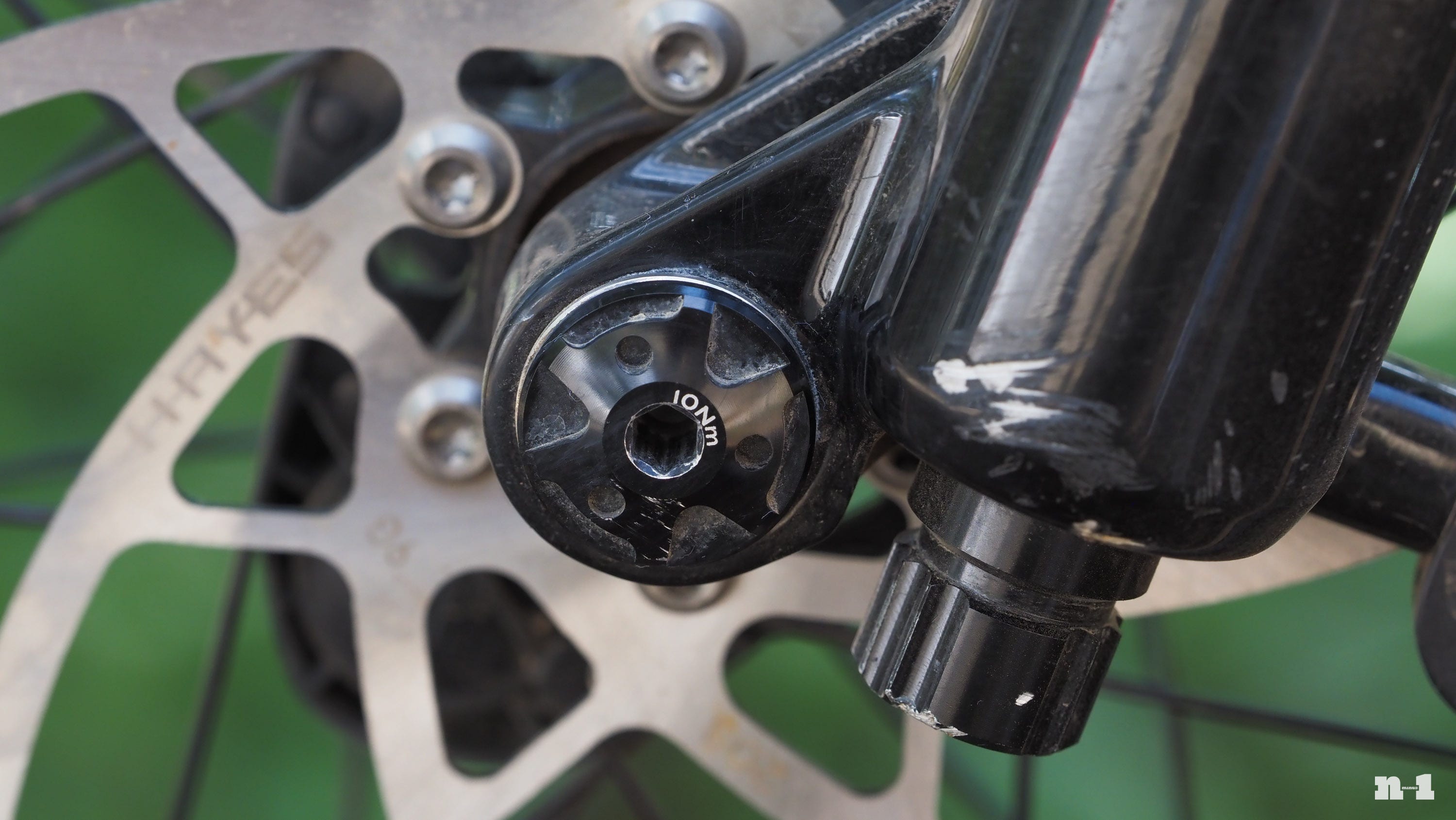
Barse initially installs wheels in the stand, but he doesn’t tighten the thru-axles until the bike is resting firmly on the ground. He also suggests using a torque wrench on the thru-axles – not so much for safety reasons, but for consistency.
“Before you even set up the brakes, get the bike on the ground with the wheels, and torque the thru-axle [to the prescribed torque recommendation]. That way, you have a repeatable measure for every time you take the wheel out and you put it back in to avoid brake rub. I’ve experimented with what happens if I go to 8 Nm or what happens if I overtighten it, and there’s enough give in the frame material or from overloading the bearings on the end caps where the rotor will rub or the caliper will be misaligned so that’s kind of the foundation where I’ll get people set up with their brakes.”
Magic washers
On newer drop-bar bikes with flat-mount calipers, facing the mount only addresses half of the system. For rear brakes, there’s still the matter of the underside of the chainstay (or on front flat-mount brakes where bolts feed in from the front). If that surface isn’t flat, the mounting bolts will tend to “walk” when you tighten them, usually taking the caliper with them.
There isn’t a tool available to mill that surface flat, so Barse instead resorts to leveling washers. Haven’t heard of those? Perhaps not, but you might be familiar with the little ball-and-socket washers commonly used on V-brake pads, or the stacked spherical washers SRAM/Avid once used on its disc brakes back in the day (and still uses on some of its caliper adapters now).
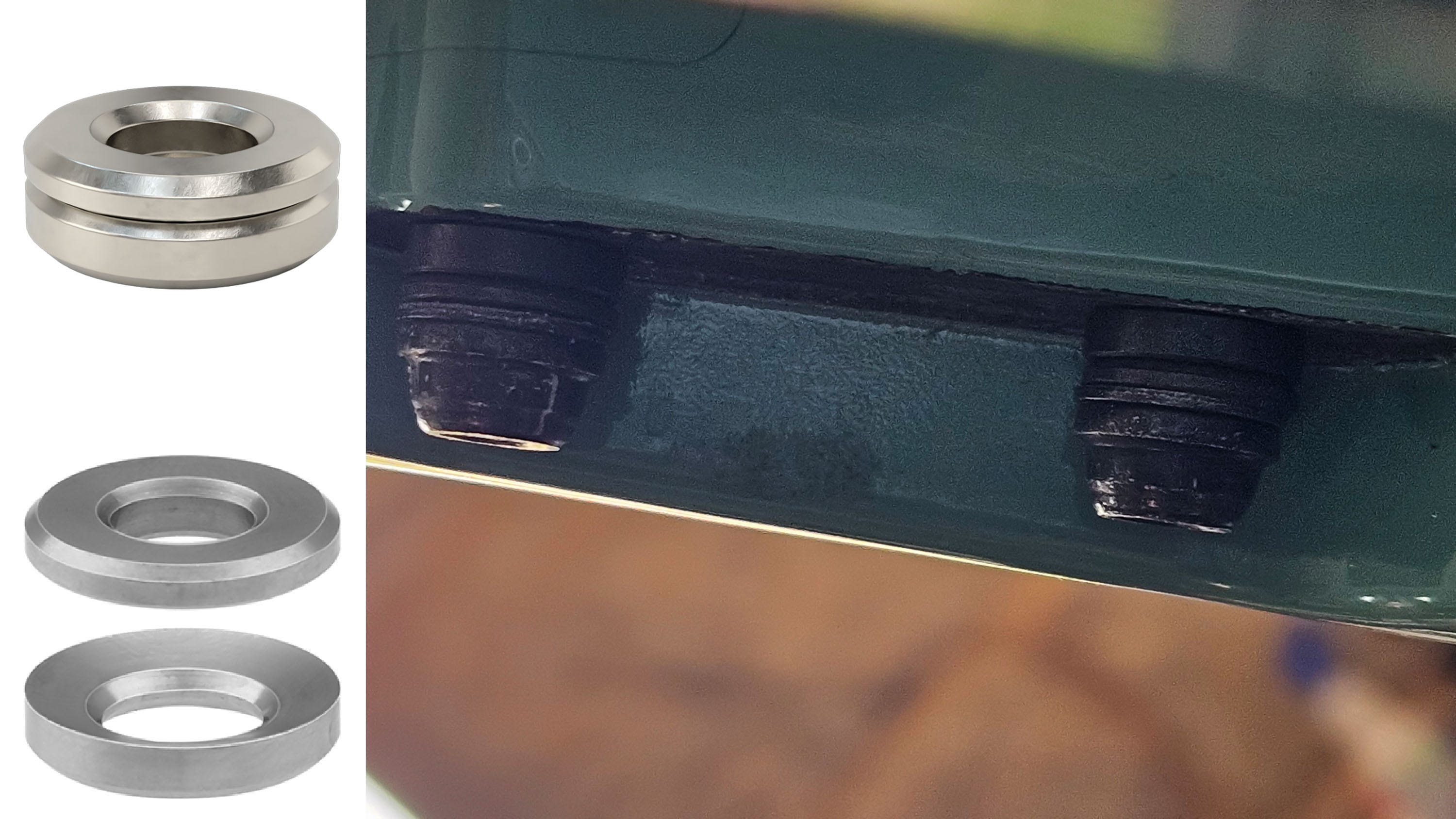
The ones Barse uses now are basically a much nicer version of those, featuring stainless steel construction, a smoother finish, and an M5 (rather than M6) diameter for flat-mount hardware. Regardless, the concept is the same: the ball-and-socket shape accounts for slight misalignments between the underside of the frame and the bolt head so the caliper stays put when you tighten everything down.
“I buy the stainless ones and they’re like stupid expensive, but we’re in the mid-Atlantic so I’d rather have stainless. You can really get the pads super parallel with the rotor, and then it also keeps the caliper from walking a little bit as you’re tightening things down.”
If you try this one yourself, keep in mind that you’ll have to switch to slightly longer bolts to account for the added thickness of the washers.
Keep reading with a 7-day free trial
Subscribe to n-1 to keep reading this post and get 7 days of free access to the full post archives.